
Last updated November 21, 2026
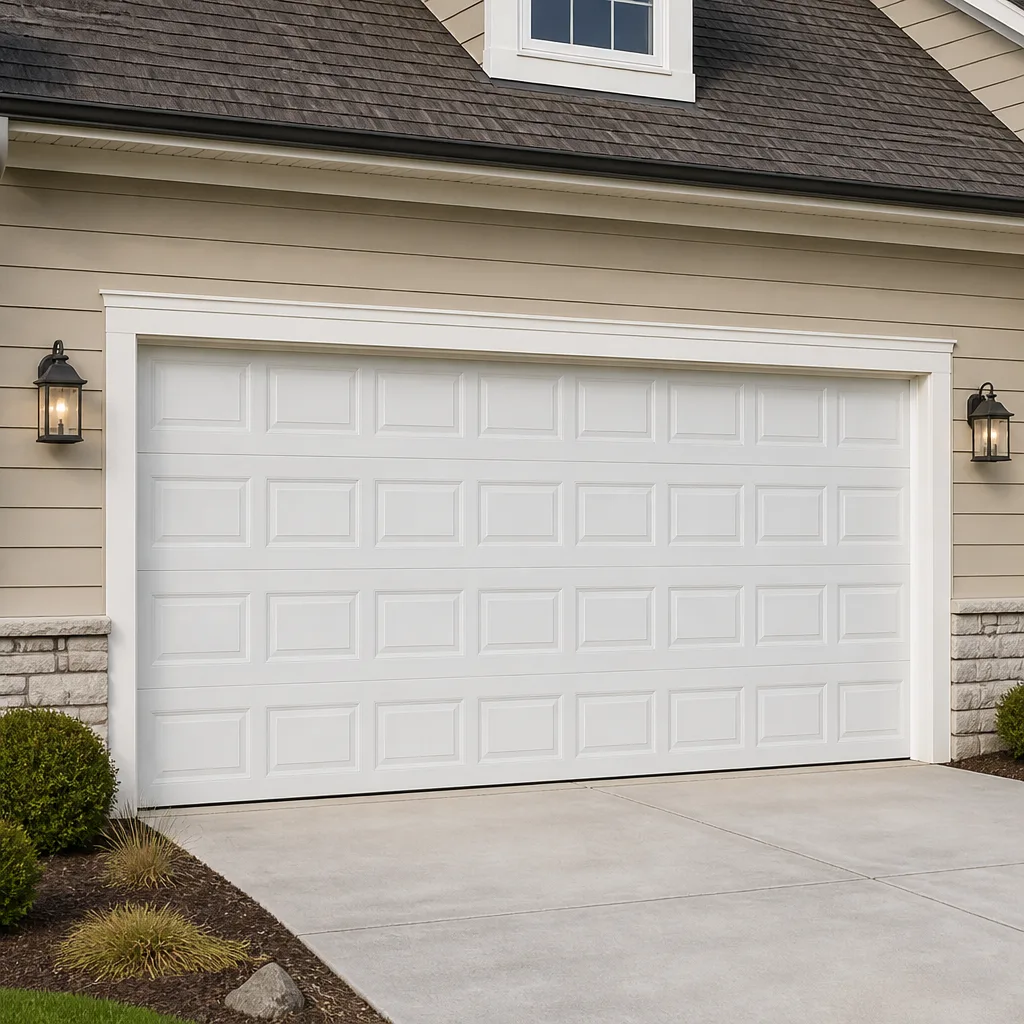 Raised-panel steel
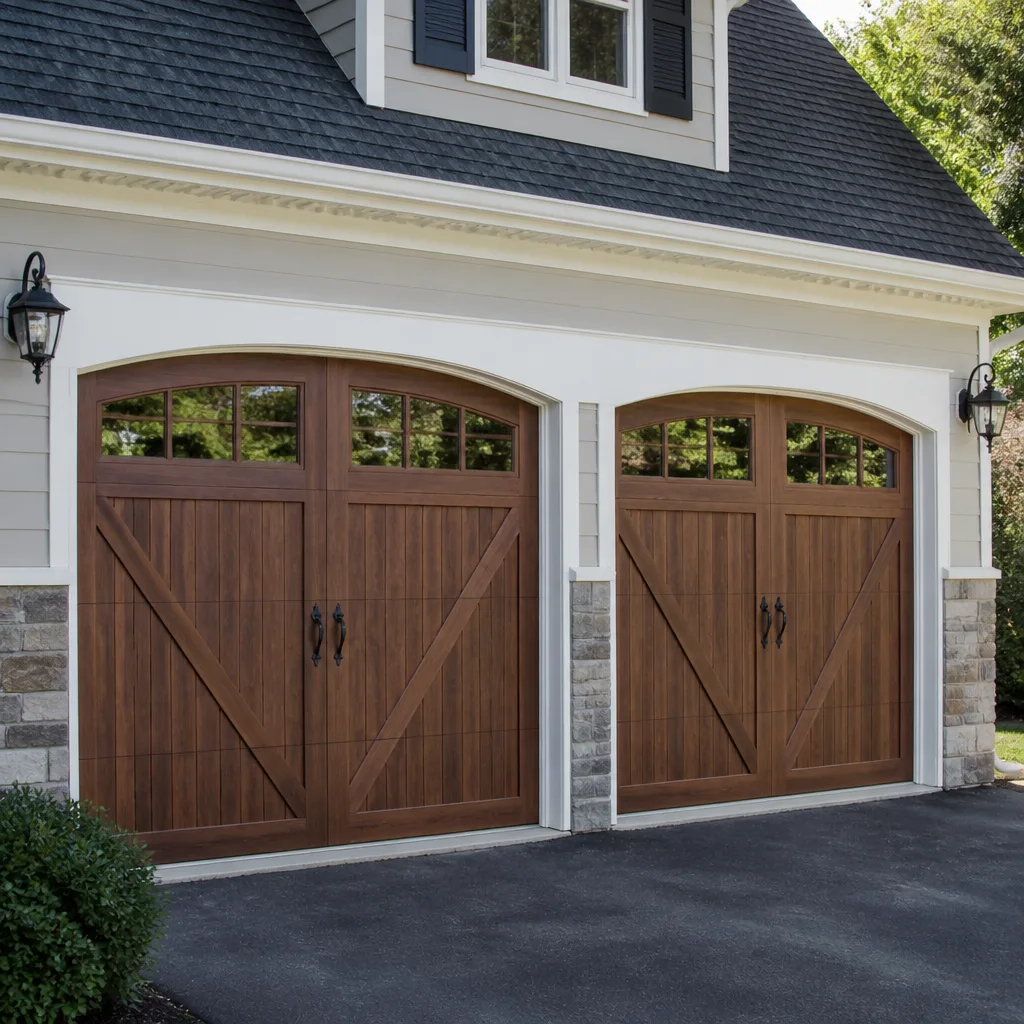 Carriage house
 Modern flush
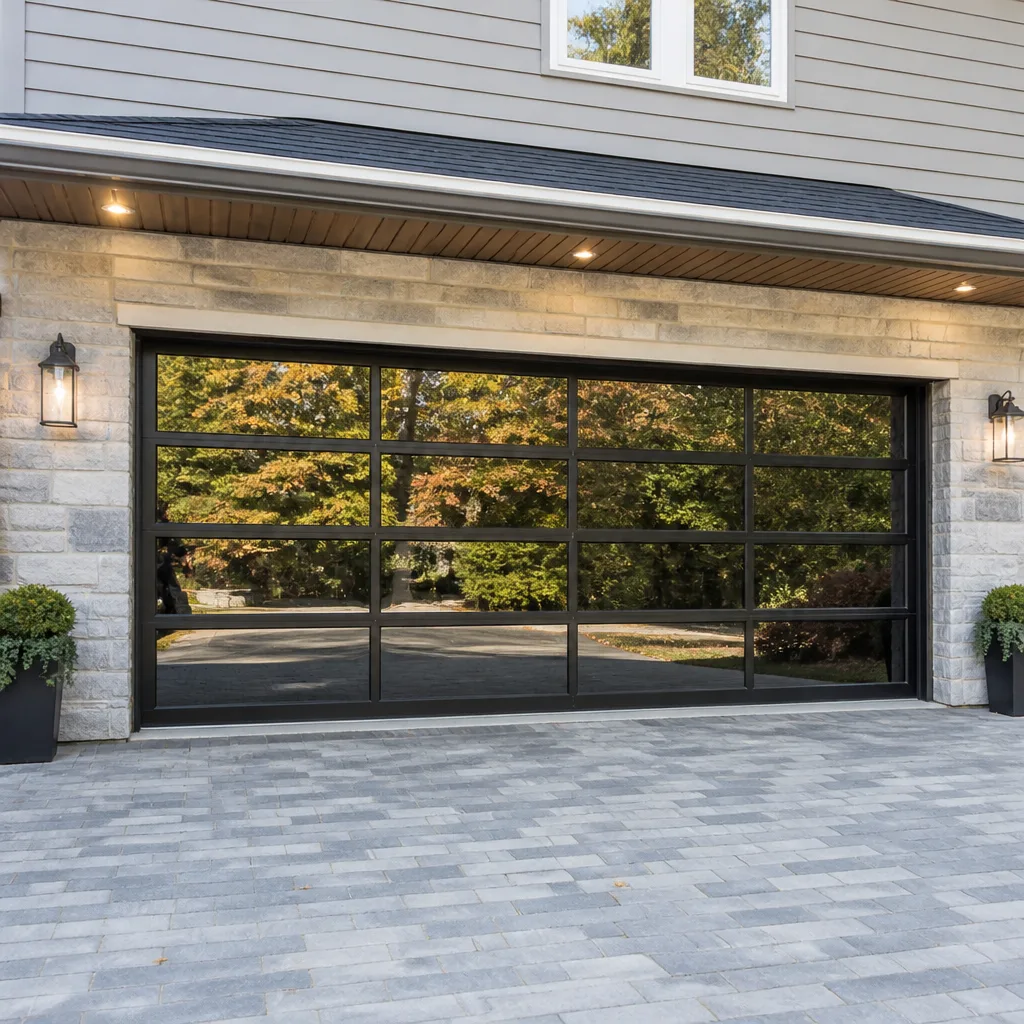 Full-view glass
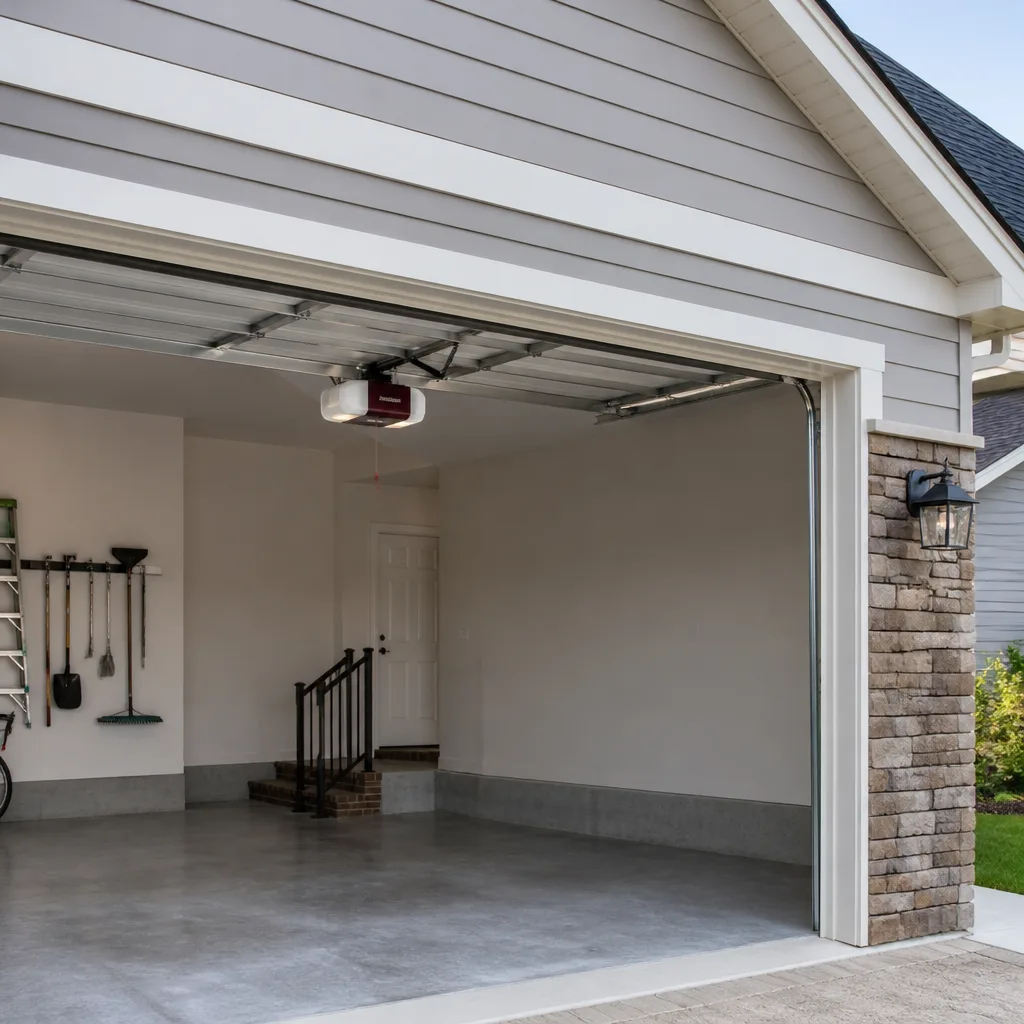 LiftMaster openers
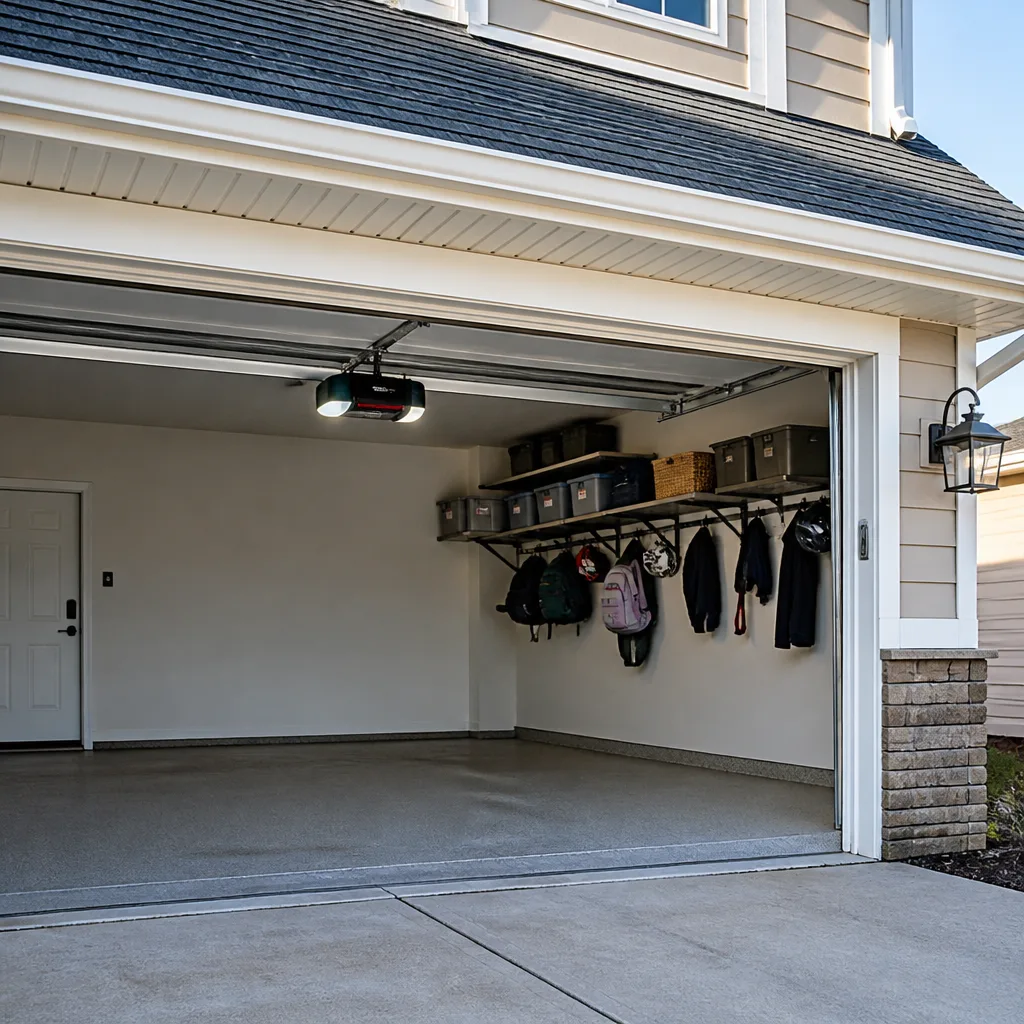 Chamberlain openers
Full 25-point door and opener safety check with every visit - springs, cables, rollers, tracks, and your LiftMaster or Chamberlain opener included
You get a price before we start. It does not change when the pro arrives.
Get your free estimateHow to Hire a Garage Door Contractor in Cambridge: A Step-by-Step Guide
The complaint we hear most often from Cambridge homeowners isn’t about price. It’s that the same problem came back within a year. A door that stuck, jerked, or reversed is diagnosed, “fixed,” and then starts doing the same thing again a few months later, because nobody ever found the actual cause. A worn bearing, a misaligned track, or a torsion spring wound to the wrong tension doesn’t announce itself. Swapping parts can hide it for a while. This guide walks you through the questions that separate a real garage door specialist from an operator who replaces whatever looks broken and moves on. By the end, you’ll know exactly what to ask, what a good answer sounds like, and how to verify a contractor’s credentials in Cambridge before the first bolt is turned.
Quick Answer
To hire a garage door contractor in Cambridge, ask about licensing and insurance first, then walk through the specific mechanical cause of your problem before agreeing to any price. A qualified contractor diagnoses the whole door system (springs, cables, tracks, opener, and panels together), gives you a written scope and warranty, and quotes a fixed price before work starts. If a contractor can’t explain why your door is failing or won’t put the diagnosis and warranty in writing, keep calling.
Styles & brands we work with
- Raised-panel steel
- Carriage house
- Modern flush
- Full-view glass
- LiftMaster openers
- Chamberlain openers
Table of Contents
- The Five Technical Questions to Ask Before Accepting Any Quote
- Why Licensing, Liability Insurance, and Workers’ Comp Matter in Massachusetts
- Red Flags in a Garage Door Quote
- How to Tell a Multi-Brand Technician from a Single-Brand Reseller
- What a Legitimate Repair Timeline Looks Like
- Spring Repair: The Highest-Skill Repair on Your Door
- When a Broken Door Becomes an Emergency
- A Two-Minute Credential Check
The Five Technical Questions to Ask Before Accepting Any Quote
The fastest way to tell a specialist from a part-swapper is to ask about the mechanism. Anyone who works on garage doors for more than a few months should be able to explain your door’s problem in plain terms without looking nervous. Ask these five questions and listen to how the answer sounds, not just whether one comes back.
- “What’s actually causing the problem, and what else does it affect?” A good answer connects parts. A door that reverses unexpectedly might have a binding track, a failing safety sensor, or an opener board issue, and a technician who names only one cause is guessing. A weak answer is “the opener is bad, we can replace it.”
- “Can you walk me through the diagnosis before you quote?” A specialist will describe what they checked and what they found. If they hand you a price before climbing a ladder or running the door, they’re selling a part, not a repair.
- “Is this a torsion or extension spring system, and which spring is failing?” Most modern Cambridge homes with attached garages use torsion springs. Anyone who can’t tell you which system is on your door hasn’t looked at it carefully.
- “What’s the warranty on the part, the labor, or both?” A written warranty means the contractor stands behind the diagnosis, not just the part. Verbal “we guarantee our work” answers with no paper trail should make you pause.
- “Will you replace a matched pair of springs or just the broken one?” A matched pair shares the load and wears together, so replacing one of two usually means the second fails soon after. A contractor who recommends a single spring on a pair is either cutting corners or doesn’t know springs.
We work on the brand you already have, which means our technicians arrive knowing the specific hardware on your door rather than learning it in your driveway. That familiarity is one reason these five questions get clear answers.
Why Licensing, Liability Insurance, and Workers’ Comp Matter in Massachusetts
Home repair work in Massachusetts is regulated, and a garage door contractor who can’t produce licensing and proof of insurance in writing is a risk you don’t want to take. If a track lets go and a door lands on someone, an uninsured operator leaves the bill with you. The state’s consumer protection office (the Office of Consumer Affairs and Business Regulation) and your local building department can tell you what licensing applies to your specific job. Some towns require a permit for major electrical work or structural changes related to a garage door opener or header, and others don’t. Ask the city’s building department directly rather than trusting a contractor’s word on it.
What to ask for, in this order
- A license number and the issuing board. Write it down and confirm it with the board, not a business card.
- A certificate of liability insurance with your address listed as the project location. The name on the policy should match the company you’re hiring.
- Workers’ compensation coverage. If a helper is injured on your property and the company isn’t insured, the claim can come back to you.
- A written scope of work. It should name the parts, the labor, and the warranty, and match the price you were quoted.
Why workers’ comp matters more than people think
Garage door work involves ladders, moving doors, and heavy springs under tension. If a crew member gets hurt on a job that isn’t covered, the legal and financial exposure can land on the homeowner. This isn’t a scare tactic; it’s the single most common reason we recommend asking for the certificate before the truck arrives. The companies we connect homeowners with are state-licensed and insured as their state requires, and any reputable contractor will have those documents ready to send.
Red Flags in a Garage Door Quote
You don’t need to be an expert to spot a bad quote. The tells are consistent, and they show up before the work begins. Watch for these specific patterns.
Flat-rate parts pricing
If the quote gives you a single number for “spring replacement” without naming the spring type, gauge, or cycle rating, ask why. Springs come in different sizes and cycle counts, and a low flat rate usually means a lower-quality spring. A contractor who can’t explain the difference between a standard-cycle and a high-cycle spring is pricing to close the sale, not to solve the problem.
Refusing to diagnose before quoting
A price given before the technician has seen the door, heard it, or run it through a full cycle is a guess. A good contractor inspects first, then quotes. If you’re told “it’s always about $300 for that,” ask how they know without looking.
No written warranty
A verbal promise won’t help you six months from now when the same part fails. Ask for the warranty in writing. It should distinguish between parts and labor, and it should have a time window you can read.
Other red flags worth catching
- Recommending a full door replacement when the problem is a single spring or opener. Sometimes a new door is the right call, but it should come with a reason, not a sales pitch.
- Not asking about the age of the opener or offering a brand-specific answer. A LiftMaster or Chamberlain owner should get advice tuned to that unit. A Craftsman owner should not hear the same generic answer.
- Charging extra for the diagnostic call. Free estimates are the standard on this trade. If a contractor wants to charge to look, ask what the fee covers and whether it’s applied to the work.
- No local references. An operator who can’t point to past work in Cambridge, Somerville, or the nearby neighborhoods is worth a second phone call.
We say it plainly: garage door repair is a diagnostic trade before it’s a parts trade. The right contractor will talk through the cause with you before the price conversation starts.
How to Tell a Multi-Brand Technician from a Single-Brand Reseller
Garage door hardware isn’t interchangeable. A LiftMaster logic board doesn’t diagnose the same way as a Genie unit. A Raynor door panel has different clip tolerances than a Clopay model. A contractor who only works with one brand will often push you toward that brand even when your existing hardware is fine, because it’s what they carry and know. A multi-brand technician walks in, identifies what’s on your door, and works with it.
Three questions that separate them
- “Do you service my existing brand, or only install your own?” If the answer is “we prefer to install ours,” ask why. If they can’t give you a technical reason, you’re talking to a reseller.
- “What brands do you stock parts for or handle regularly?” A multi-brand specialist will name specific manufacturers. We work on LiftMaster, Chamberlain, Genie, Clopay, Amarr, Wayne Dalton, Craftsman, and Raynor equipment, and that coverage means the technician has seen your hardware before.
- “If the problem is my opener and not the door, do you still handle it, or will I need a second contractor?” A full-system company handles the opener, the springs, the panels, and the tracks. A single-trade operator will often hand you off to an electrician or another company for a problem that’s really a garage door issue.
From opener to panel to full installation, a specialist should cover the whole system in one visit, so you’re not coordinating two contractors for one problem. We’ve seen this repeatedly: the door gets fixed, the opener gets ignored, and the homeowner is back on the phone a few weeks later. Brand compatibility is the difference between a repair that lasts and one that doesn’t.
What a Legitimate Repair Timeline Looks Like
One of the clearest signals of a contractor who’s buying time or upselling is a timeline that doesn’t match the job. A simple opener repair takes less than an hour. A torsion spring replacement takes a bit longer depending on the door weight and access. A full door replacement is a scheduled job with an ordered unit, a delivery window, and an installation that usually runs a few hours. When the timeline doesn’t match, ask why. Here’s what a straightforward repair typically looks like:
- Diagnosis at the door. The technician inspects the full cycle, listens to the motor, tests the safety sensors, and checks the springs and cables.
- Cause explained in plain language. They tell you what’s failing and what’s wearing, not just what’s broken.
- Written price and scope. The estimate covers parts and labor and names the warranty. Nothing starts until you’ve agreed to it.
- Repair and test. The technician cycles the door at least twice, tests the safety reversal, and checks balance before packing up.
- Walkthrough at the end. A good contractor demonstrates the door operating correctly, explains what changed, and hands you the warranty paperwork.
A repair that’s “going to take all day” for a single spring or a noisy opener is worth questioning. A full installation booked in advance, measured, and delivered on a schedule is the opposite: that work takes planning, and no one should promise it in a day. If a contractor promises to install a new door the same day you call, that’s not service; that’s a sign they haven’t measured.
Spring Repair: The Highest-Skill Repair on Your Door
Springs are where the garage door trade gets serious. The torsion spring above your door holds hundreds of pounds of tension, and if it’s released incorrectly it can cause severe injury. This is not a repair any homeowner should attempt, no matter how many videos promise it’s easy. A trained technician uses winding bars and a controlled release procedure, and even experienced hands treat spring work with caution. That’s why we offer spring repair as a dedicated service, not an afterthought.
What separates a careful spring repair from a quick swap
- Matching spring gauges and cycle ratings to the door weight. A heavier door needs a stronger spring, and getting that wrong shortens the spring’s life.
- Inspecting the cables and drums while the tension is off. Cables wear, and a cable that fails after a new spring is installed turns one repair into two.
- Checking the door balance after the install. A balanced door stays at half-open on its own. If it drops or rises, the spring tension is wrong, even if the spring is new.
- Replacing a matched pair together. A pair shares the load, so a single replacement on a shared system leaves you with one fresh spring carrying more than its share of the weight.
When you’re evaluating quotes for spring work in Cambridge, ask what cycle rating the spring being installed has. A cheap replacement that fails in a year costs more than a quality spring up front. Especially in colder weather, spring fatigue is a real factor, and a technician who accounts for it will explain what to expect.
When a Broken Door Becomes an Emergency
Not every garage door failure is urgent. But some are, and knowing which is which saves you a wasted call and a wasted night. A door that’s stuck open with a car inside and valuables in the garage is a security risk. A door that’s hanging crookedly from a broken cable is a safety risk to anyone walking under it. A door that reverses halfway down and won’t stay closed is a weather and security issue, especially in a Cambridge winter. In each of those cases, don’t try to force the door by hand.
Call the same day if any of these are true
- The door is stuck open and you can’t secure the garage.
- A cable has snapped and the door is hanging unevenly.
- The door reverses on its own or won’t stay closed.
- The opener runs but the door doesn’t move, and you’ve confirmed the sensors aren’t blocked.
- You hear a loud snap or bang from the spring area.
We answer 24/7, and our emergency garage door service is offered for time-sensitive failures that create a real risk. For most Cambridge repairs, the same-day option is straightforward: call, describe the problem, and we’ll book you for the next available window. Fast dispatch runs from 7am to 7pm, Sunday through Friday, and we’re closed on Saturday. If a door fails on a Saturday, call and we’ll book you into Sunday. For planned replacements and new installations, we don’t promise same-day service. That work is measured, ordered, and scheduled, and a free measure with a written price is the right first step.
A Two-Minute Credential Check
Verifying a contractor’s credentials doesn’t take an afternoon. It takes about two minutes if you know what to check. Here’s the sequence we recommend, in order, before you commit to any quote.
- Ask for the license number and confirm it with the state board. Most states publish a lookup tool. Match the name on the license to the name on the quote.
- Request a certificate of liability insurance. Call the number on the certificate and confirm the policy is active. The project address should be listed.
- Ask for workers’ compensation coverage. If the company can’t produce proof, that’s a serious concern.
- Read the written warranty. Look for what’s covered (parts, labor, or both) and for how long. Any answer not in writing is not a warranty.
- Check the reviews with a specific question in mind. Don’t just count stars. Read for mentions of the same problem recurring, or for descriptions of how the company handled a diagnosis. That’s what you actually want to know.
- Confirm they handle your brand. If your door is a Raynor or your opener is a LiftMaster, ask directly whether they work on it.
For homeowners in Cambridge, the market is competitive and the credentials you’re checking are the same across the trade. The difference is in whether the contractor volunteers them before you ask. We’d rather answer these questions up front than have you ask them after the work is done.
Common Mistakes to Avoid
- Accepting a quote without seeing it in writing. A verbal price for “springs and some work” leaves you no way to hold the contractor to a scope. Get it in writing before anyone touches your door.
- Hiring on price alone. The cheapest quote on a spring replacement often uses a lower-cycle part that fails sooner. Ask what the installed spring’s cycle rating is and compare like for like.
- Ignoring the opener when the door is the problem (or vice versa). A noisy door might be a spring, a roller, or an opener. A contractor who treats every symptom as a door issue, or every door as an opener issue, will miss the cause and the problem will return.
- Skipping the license and insurance check. It takes two minutes and protects you from the most expensive kind of mistake. In Massachusetts, ask for the license number and the certificate of liability insurance.
- Letting anyone work on your springs without a written warranty. Springs are the highest-risk part on your door. A warranty signals that the contractor expects the part to last.
- Choosing a single-brand installer for a door that isn’t their brand. A LiftMaster installer who only works with LiftMaster will try to sell you a LiftMaster unit when a repair to your existing Craftsman opener would do. Ask first.
- Waiting until the door fails to plan a replacement. A new door is measured, ordered, and scheduled. If your door is nearing the end of its life, start the conversation before it becomes an emergency.
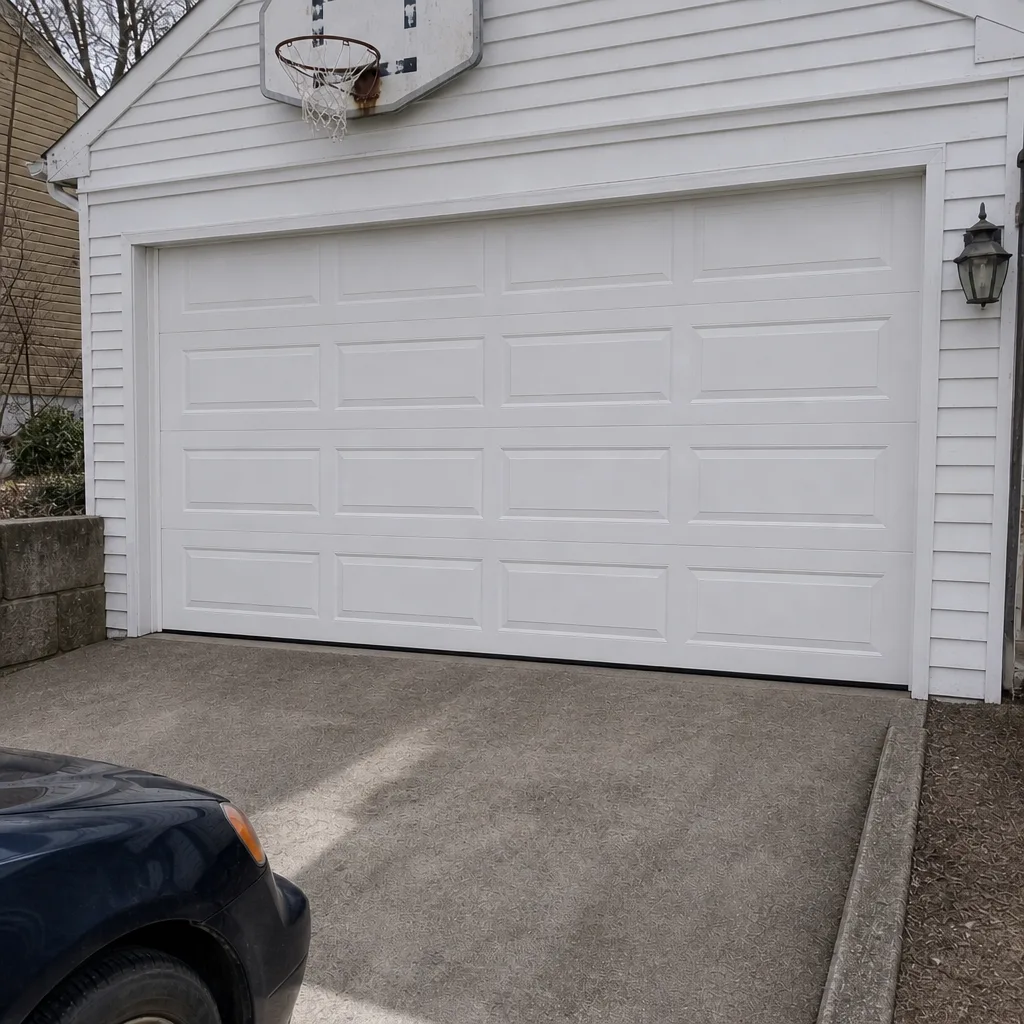
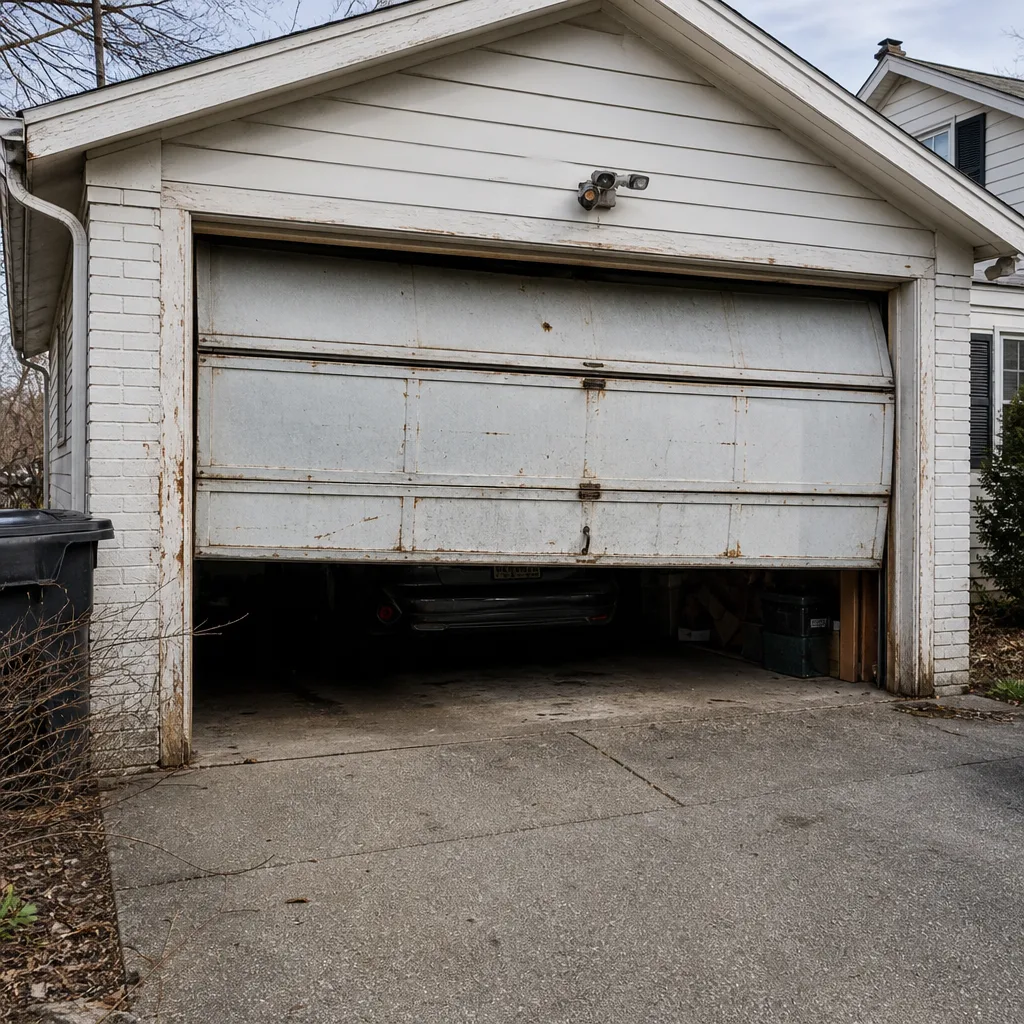
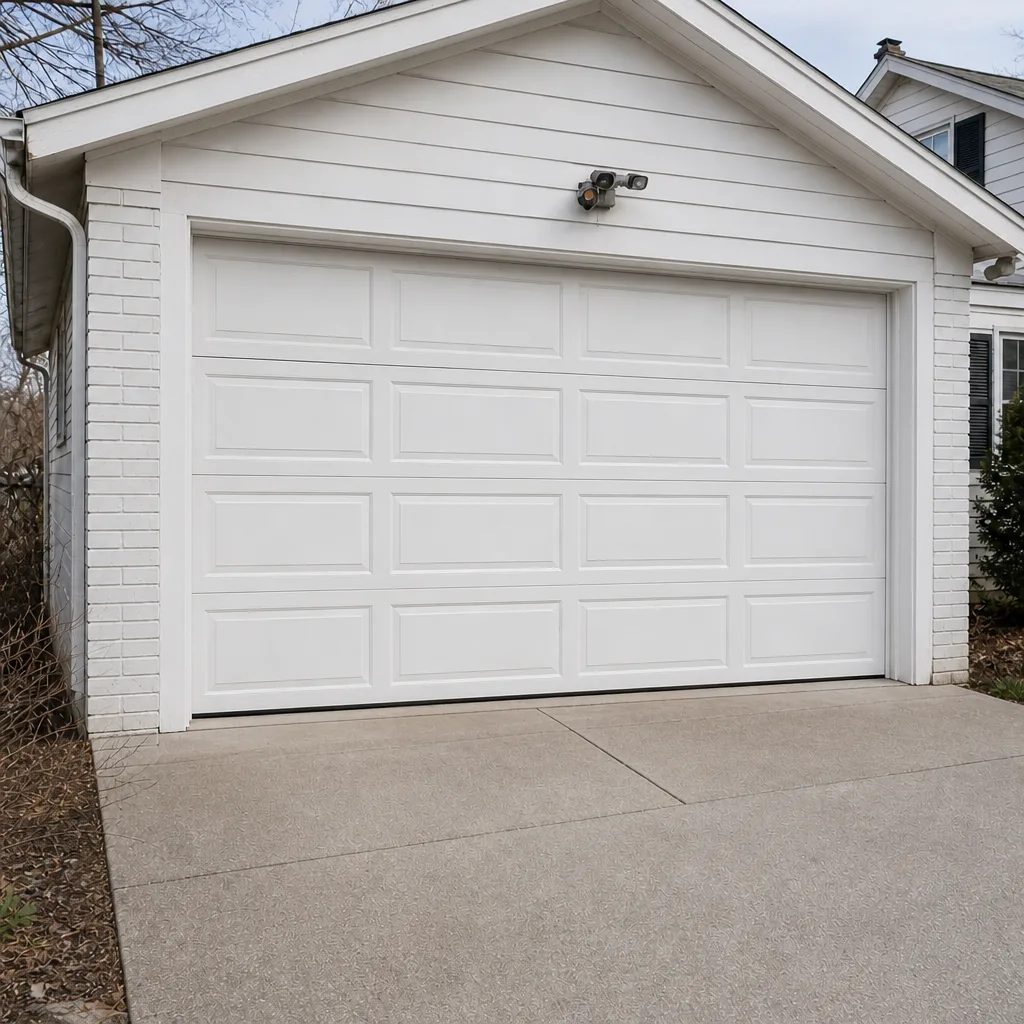
See the difference
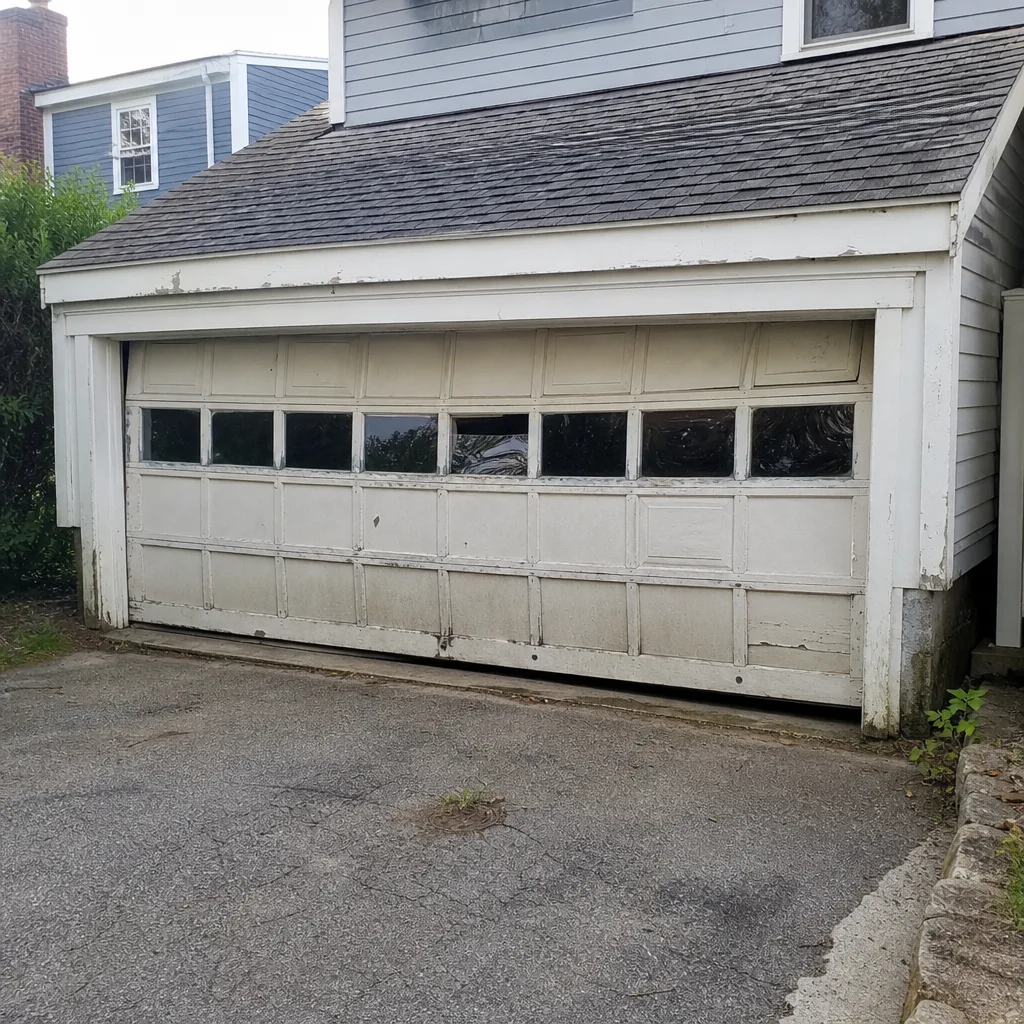 Before
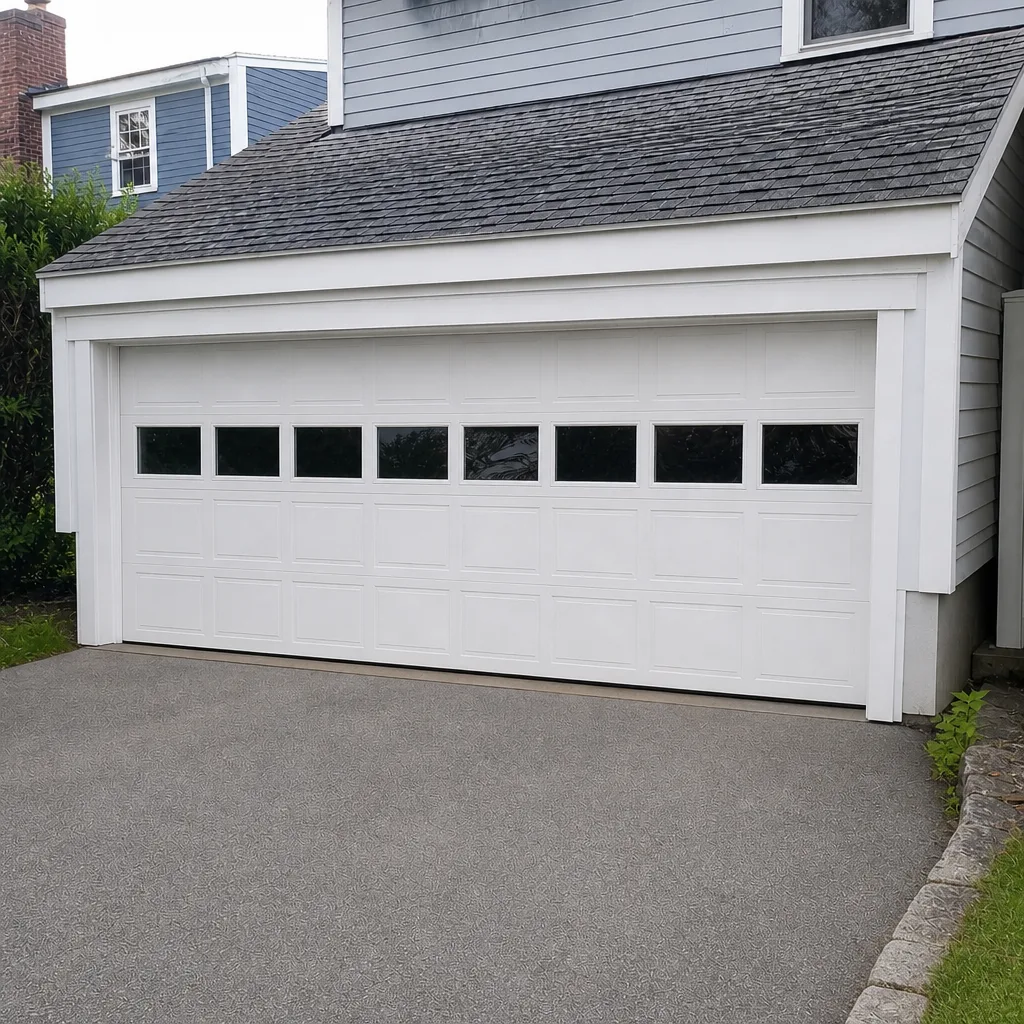 After
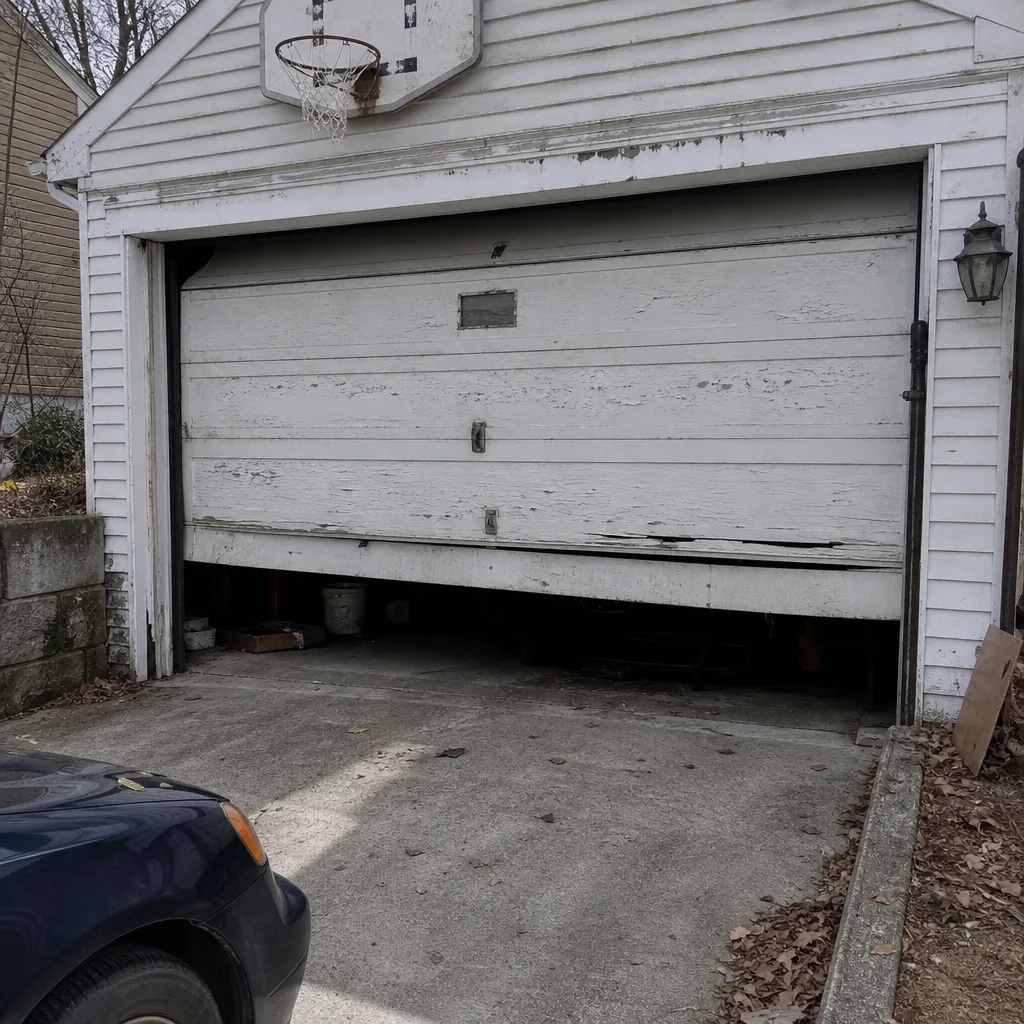 Before
 After
 Before
 After
When to Call a Professional
Some garage door issues are genuinely urgent, and some are worth planning. Call a professional right away if a spring has snapped, a cable is loose or hanging, the door reverses on its own, or the door is stuck open with your garage unsecured. Don’t try to lift a heavy door manually, and never put your hands near a torsion spring. If the opener hums but the door doesn’t move, and the safety sensors aren’t blocked, that’s also worth a same-day call. For a door that’s simply noisy, slow, or due for replacement, you have time to plan, and getting a written measure and price first is the smart move. Cambridge Garage Door Repair Co offers free estimates in Cambridge. Call (855) 870-5964. We answer 24/7. Fast dispatch from 7am to 7pm, Sunday through Friday. Our technicians have up to 13 years of experience and work across the brands you already own.
If you want to talk through a specific symptom before you book, we’re happy to. We work on garage door opener repair and full door replacement alike, and a quick conversation usually points you to the right next step.
Frequently Asked Questions
Garage door repair in Cambridge is priced per job by a written estimate rather than by a flat rate, because a noisy opener and a snapped torsion spring are different jobs with different parts. The estimate is free, and the price is agreed before any work starts. Call (855) 870-5964 for an exact quote; estimates are free.
Spring replacement is quoted per spring, and a matched pair is usually replaced together, so the pair costs roughly twice a single spring. Spring sizes and cycle ratings vary based on door weight, so the written estimate sets the final price. Call (855) 870-5964 for an exact quote; estimates are free.
Same-day repair is often available for urgent failures, and we answer 24/7 so you can book before the next dispatch window. Fast dispatch runs from 7am to 7pm, Sunday through Friday. We’re closed on Saturday; a call that day is booked into Sunday. Call (855) 870-5964 for an exact quote; estimates are free.
No. The written estimate sets the price you pay, and the technician quotes after a full diagnosis, not before. If the scope of a repair turns out to be different from what was described on the phone, we’ll tell you and requote before anything is done. Call (855) 870-5964 for an exact quote; estimates are free.
The local professionals we connect you with are state-licensed and insured as Massachusetts requires. We’ll provide the license and insurance details on request so you can verify them. Call (855) 870-5964 for an exact quote; estimates are free.
We work on the brand you already have across LiftMaster, Chamberlain, Genie, Clopay, Amarr, Wayne Dalton, Craftsman, and Raynor equipment. If your door is one of those, a technician will arrive familiar with the hardware. If your brand isn’t listed, call and we’ll tell you whether we can help. Call (855) 870-5964 for an exact quote; estimates are free.
The Bottom Line
Hiring a garage door contractor in Cambridge comes down to a few questions that take less time than a phone call. Ask about the actual cause of your problem, not the part being replaced. Ask for a written scope, a written warranty, and proof of licensing and insurance in writing before anyone touches your door. Ask whether the contractor works across multiple brands or only sells one, because a single-brand reseller will steer you toward what they carry. And ask about the spring type, not just the price. These questions don’t require mechanical knowledge. They just require that you ask them before the work begins. Call (855) 870-5964 for a free estimate from Cambridge Garage Door Repair Co.
Written by the team at Cambridge Garage Door Repair Co.