
Last updated November 21, 2026
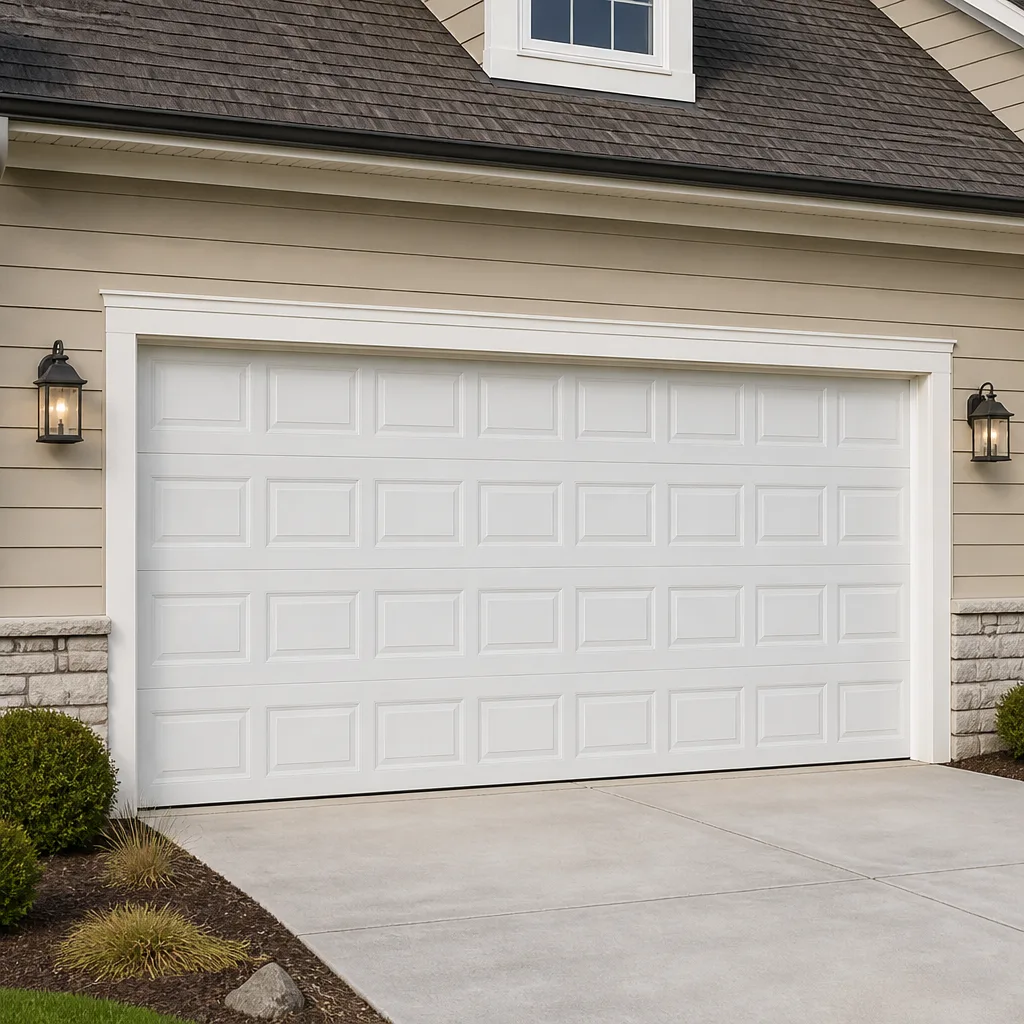 Raised-panel steel
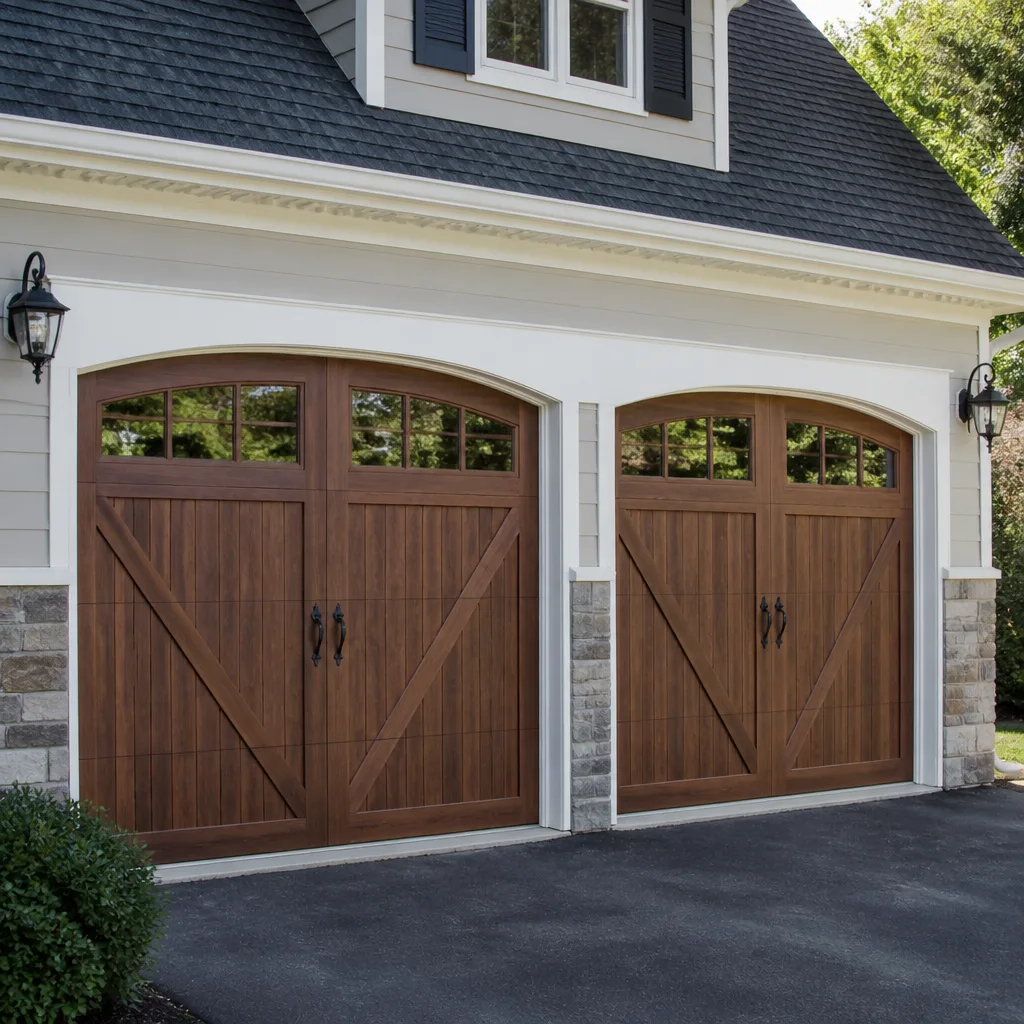 Carriage house
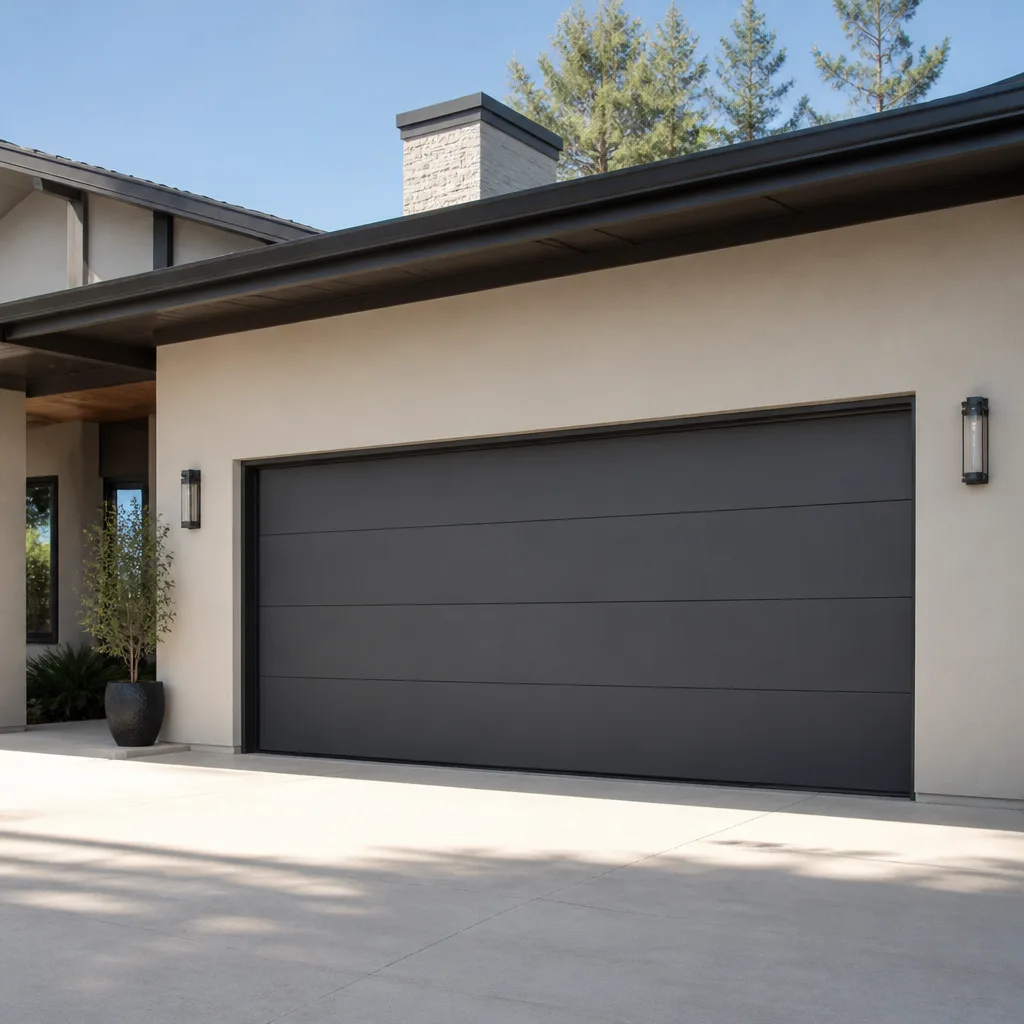 Modern flush
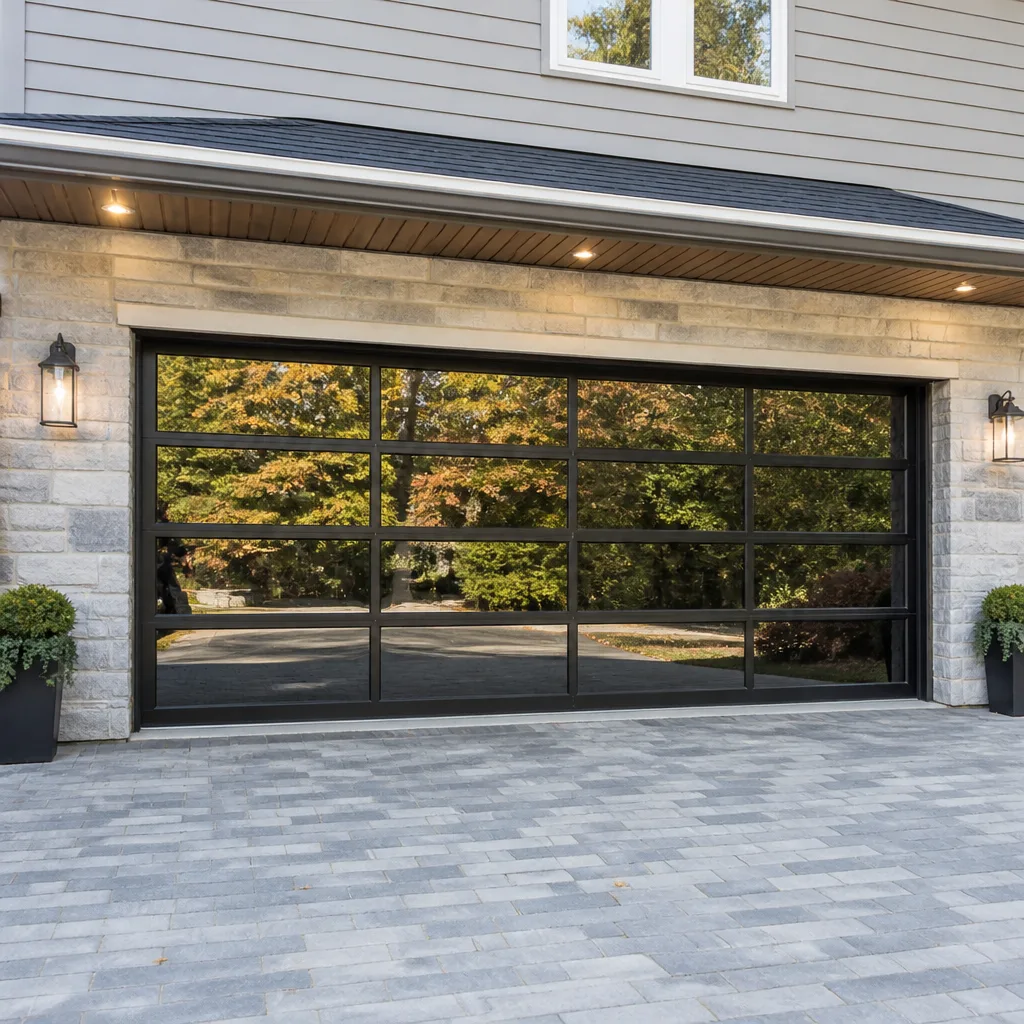 Full-view glass
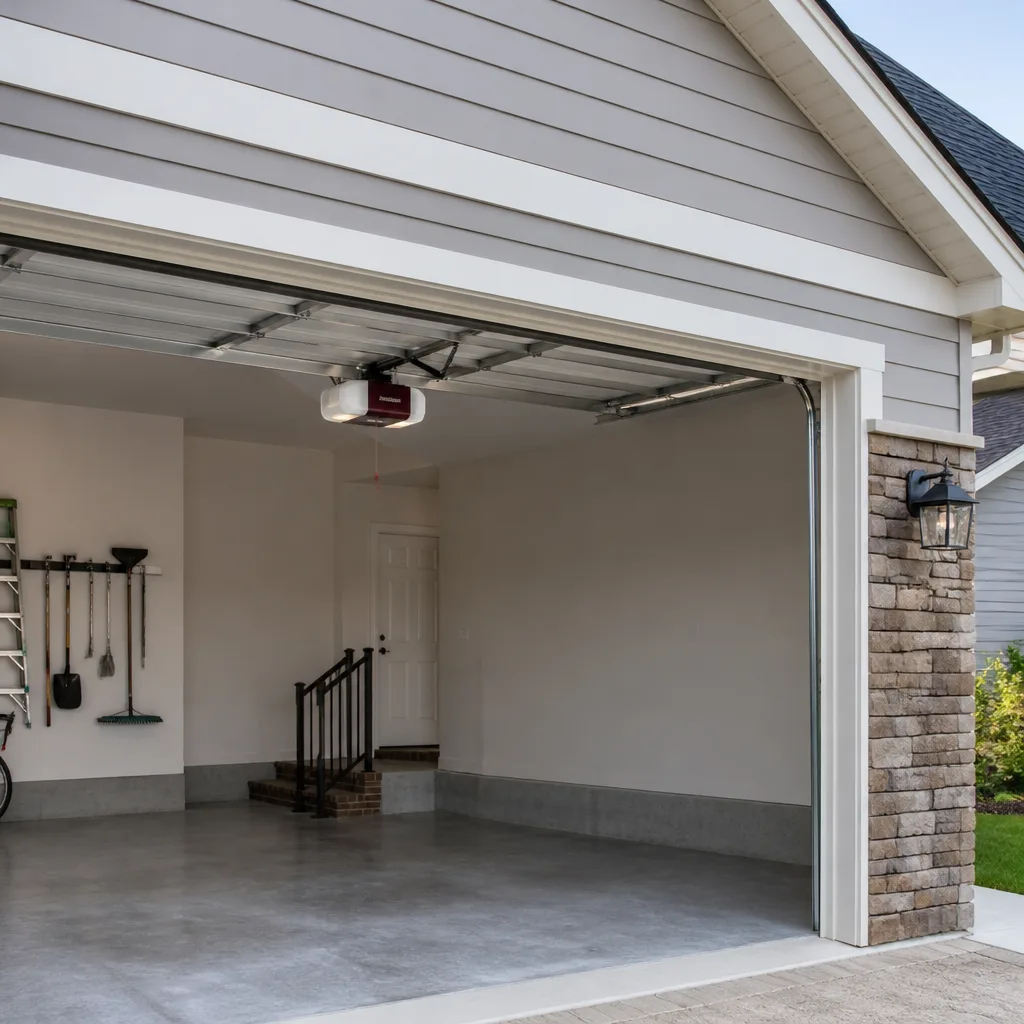 LiftMaster openers
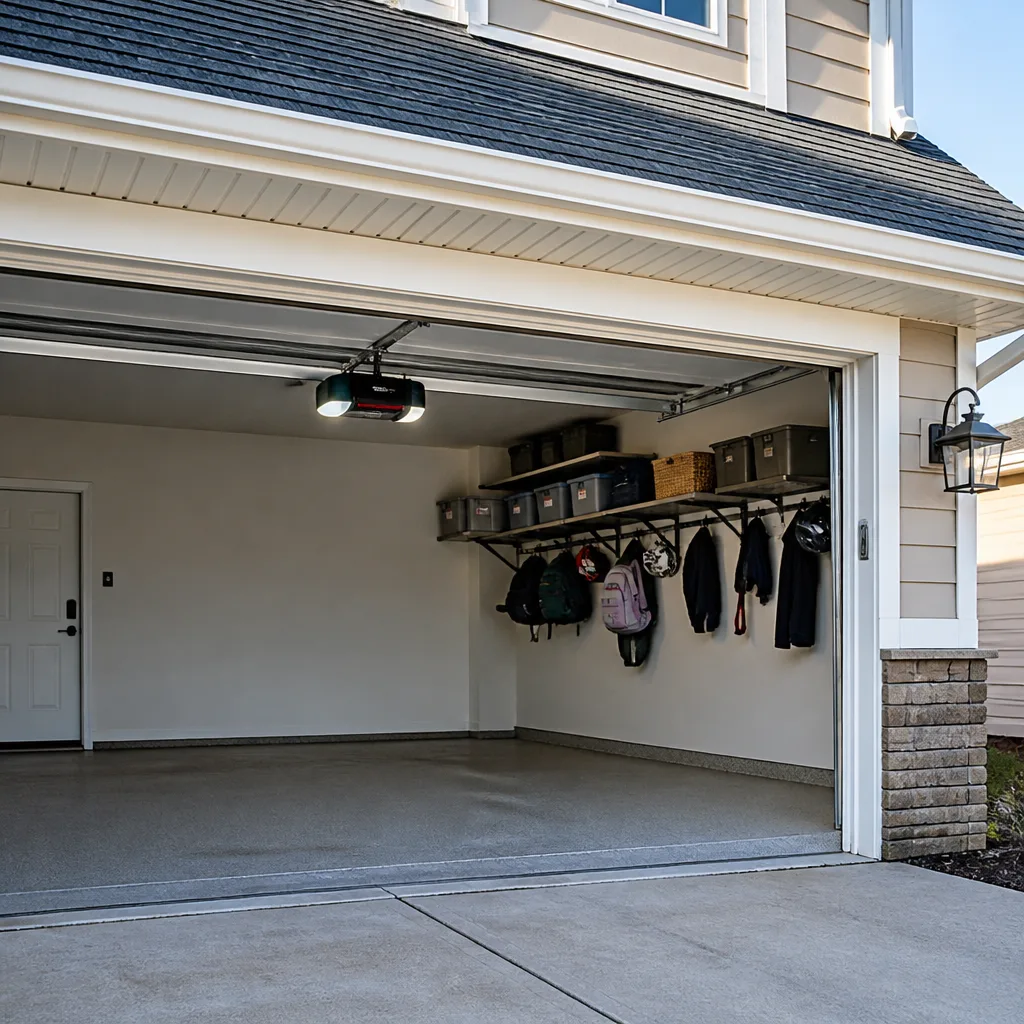 Chamberlain openers
Full 25-point door and opener safety check with every visit - springs, cables, rollers, tracks, and your LiftMaster or Chamberlain opener included
You get a price before we start. It does not change when the pro arrives.
Get your free estimateSeasonal Garage Door Care for Cambridge: Year-Round Homeowner’s Guide
October is the month Cambridge garage door calls spike. Not January. That surprises most homeowners, who assume deep winter is when the trouble hits. But the damage in January was usually set in October, when shrinking metal and dropping temperatures quietly pulled spring tension out of calibration and nobody noticed until something let go. Cambridge’s climate doesn’t hand your door one long winter problem. It hands it four distinct stress periods, each with its own failure risks, and treating garage door care as a single autumn checklist is exactly why so many Cambridge homeowners get caught off guard twice a year. This guide walks through what each season actually does to your door’s mechanics, the tasks that prevent most emergency calls, and when to stop fiddling and get a technician out.
Quick Answer
Seasonal garage door care in Cambridge means matching your maintenance to four different stress windows: fall contraction that throws spring tension off, winter freeze damage that starts at the bottom seal and works upward, spring post-winter inspection of rollers and hinges, and summer heat expansion that knocks aluminum and steel doors out of balance. The single highest-value habit is a five-minute balance and sound check at the start of each season. Everything else you do on top of that is insurance.
Styles & brands we work with
- Raised-panel steel
- Carriage house
- Modern flush
- Full-view glass
- LiftMaster openers
- Chamberlain openers
Table of Contents
- Why Cambridge’s Climate Creates Four Stress Periods, Not One
- Fall: Thermal Contraction and the Spring Tension Problem
- Winter: The Freeze Damage Sequence and How to Interrupt It
- Spring: Inspect Rollers and Hinges, Don’t Just Lubricate
- Summer: Heat Expansion and Balance on Metal Doors
- The Five-Minute Seasonal Check That Prevents Most Emergency Calls
- What Wears Out First in Cambridge Homes
- Common Mistakes to Avoid
- When to Call a Professional
- Frequently Asked Questions
Why Cambridge’s Climate Creates Four Stress Periods, Not One
A garage door is a system, not a set of independent parts. The springs, cables, rollers, hinges, panels and opener all share load, and when one of them changes behavior because the temperature moved twenty degrees, every other component feels it. Cambridge’s climate swings hard enough across the year that this shared load shifts four separate times, and each shift hits a different part of the system first.
Here’s the pattern we’ve seen over years of servicing Cambridge doors:
- Early fall: Metal contracts faster than the wood and vinyl around it, and spring tension that was fine in August suddenly reads wrong against the new door weight.
- Deep winter: The bottom seal compresses and stiffens, cables lose flexibility, and the opener takes up the slack by working harder than it was sized to.
- Early spring: Everything that survived winter is now out of alignment, and rollers and hinges that ran quietly in November are grinding.
- Summer: Steel and aluminum panels expand, the door’s balance point drifts, and the opener compensates again.
A Cambridge door that gets one annual tune-up in, say, September is being checked at exactly one of those four windows. The other three run unobserved. That’s the gap this guide closes. Whether your door runs on a LiftMaster opener or an older Genie unit, the seasonal mechanics are the same, and the checks below apply to any brand. As a company that works across eight major manufacturers, we can tell you the failure patterns repeat regardless of badge on the housing.
This matters more in Cambridge than in a lot of places because so many homes here have attached garages that double as the main entry point. A door that binds in February isn’t just noisy. It’s the door your family uses to get out of the weather every morning, and a binding door wears its opener faster with every cycle.
Fall: Thermal Contraction and the Spring Tension Problem
Fall is when spring tension miscalibration becomes a real, measurable problem. As temperatures drop through October and November, the steel in torsion springs and the door panels themselves contract. That contraction changes the effective load the spring is counterbalancing, and a door that was perfectly balanced in September can be noticeably out of balance by the first hard cold snap. If your garage door has started to feel heavier when you disengage the opener, that’s the contraction at work.
Why does this matter so much? Because a torsion spring is a stored-energy device under serious tension, and asking it to lift a door whose weight it’s no longer tuned for puts extra stress on the spring, the cables, and the opener’s motor at the same time. It’s the setup for the October call spike we mentioned at the top. The failure usually shows up weeks later, once the imbalance has had time to wear on the weakest part.
What to check in fall, without touching the springs themselves:
- Disengage the opener and lift the door by hand halfway. It should feel manageable with one hand and stay put when released. If it slams down or won’t hold, the balance is off.
- Listen for a change in the opener’s sound. A motor working harder on every cycle has a slightly strained pitch compared to summer.
- Look at the bottom seal. If it’s already hard or cracked going into winter, it’ll be worse by January.
- Check the weatherstripping around the frame for gaps that let cold air into the mechanism.
- Watch the door’s travel: if it hesitates at the top or bottom of its motion, the opener is compensating for something.
If any of those checks come back wrong, that’s the moment to have the door looked at, before winter adds its own load. Adjusting torsion springs safely is not a homeowner task. These springs are under enough tension to cause serious injury if they release unexpectedly, which is why we treat garage door spring repair as a dedicated service rather than a sidebar to general repair. A trained technician has the winding bars and the procedure to adjust tension without putting anyone at risk.
Doors on Raynor or Clopay hardware tend to show this fall imbalance quietly, through sound rather than obvious misbehavior. Doors on older Craftsman systems often show it through the opener struggling first. Either way, the fix is the same: get the balance evaluated before the cold sets in.
Winter: The Freeze Damage Sequence and How to Interrupt It
Winter damage in Cambridge follows a specific sequence, and it always starts at the bottom of the door. Understanding the order lets you interrupt it before it cascades.
Here’s the sequence:
- Seal compression. The bottom seal, already the most exposed part of the door, goes from flexible rubber to stiff and compressed. It loses its ability to conform to the floor.
- Cable stiffening. The lifting cables lose flexibility in the cold and stop routing smoothly around the drums and pulleys. They develop flat spots and kinks.
- Opener strain. With the seal dragging and the cables stiff, the opener now has to overcome both. It works harder on every cycle, which is the longest, slowest failure mode because the motor doesn’t complain right away.
Once you’re in stage three, the door can feel normal for weeks while the opener motor is quietly wearing. Then one cold morning it doesn’t lift, or it lifts halfway and stops. That’s the winter call we get most often, and the root cause traces back to a seal that should have been replaced in October.
How to interrupt the sequence:
- Check the bottom seal’s flexibility before winter. If it won’t flex when you press it, replace it. It’s a cheap part and it protects everything above it.
- Look at the cables where they run along the track. Any kink, flat spot, or frayed strand is a stop-and-call signal.
- Don’t force a frozen door open. If the seal has bonded to the floor in a hard freeze, forcing it can strip the opener’s gear or snap a cable. Free it gently from outside, or wait for warmer temperatures.
- Keep snow and ice from piling against the door’s bottom edge. A drift packed against the seal holds moisture right where it does the most damage.
One thing to avoid in winter specifically: don’t compensate for a stiff door by increasing the opener’s force setting. On most LiftMaster and Chamberlain units, the force adjustment is a dial or setting that’s easy to turn up. All that does is hide the problem while the opener absorbs the strain. If the door needs more force to move, something in the system is already failing.
Winter is also when a garage door problem crosses from inconvenient to a real security concern. If your door won’t close fully, or closes on one side and leaves a gap on the other, you’ve got an open invitation into the house. That’s the kind of time-sensitive failure our emergency garage door service exists for. Call (855) 870-5964. We answer 24/7. Fast dispatch from 7am to 7pm, Sunday through Friday.
Spring: Inspect Rollers and Hinges, Don’t Just Lubricate
Spring is when most Cambridge homeowners lubricate everything and call it maintenance. Lubrication is helpful, but it’s not inspection. The post-winter window is the right time to actually look at your rollers and hinges, because winter has had months to wear them into a specific pattern that grease won’t fix.
What happens to rollers and hinges over a Cambridge winter: cold makes the roller bearings stiffer, and the door travels the same path every day regardless of temperature. That’s a grind pattern. Nylon rollers develop flat spots. Steel rollers pick up debris. Hinges wear at the pivot points where the metal-on-metal contact happens on every cycle. Lubrication slows the wear, but it can’t reverse flat spots or replace worn hinge plates.
Here’s our spring inspection routine, in order:
- Open and close the door slowly and watch each roller in its track. A wobbling roller, a flat spot, or one that’s pulled away from the door panel is a wear signal.
- Check every hinge pivot for play. If a hinge rocks or clicks, the pivot is worn through and lubrication won’t restore it.
- Run a finger (carefully, with the door closed and the opener disengaged) along the tracks to check for burrs or debris. A rough track will wear new rollers fast.
- Look at the door panels for signs of stress cracks near the hinge points. Panels crack where the load concentrates.
- Only after inspecting should you lubricate. Any good lubricant on clean, sound rollers and hinges extends their life. Lubricant on worn parts just hides the problem.
Spring is also the right window for the balance check, because the door is transitioning from cold-season weight to warm-season weight. A door that felt heavy in February may swing past the halfway point in April, which tells you the balance has shifted. It’s the same reason spring is the natural time to schedule a full tune-up if you’ve been putting one off.
For Cambridge homes using their garage as the primary entry, spring inspections are worth doing even if the door “feels fine.” Most of the roller and hinge wear we see is silent. The door keeps working, just a little harder, until something on the list finally gives.
Summer: Heat Expansion and Balance on Metal Doors
Summer in Cambridge means humid air and sustained heat, and on metal doors that combination changes the door’s geometry. Steel and aluminum panels expand more than the rest of the door assembly. The panels themselves aren’t failing, but they’re growing, and that growth shifts the door’s center of balance. A door that was balanced in April can be noticeably out of balance by August, and the opener takes up the difference.
The effects show up in a few specific ways:
- The door may feel lighter or heavier than it did in spring, depending on which side of the balance point it’s drifted to.
- The opener might start running longer on the closed cycle as it fights a door that doesn’t want to travel evenly.
- On single-panel or sectional metal doors, you can sometimes hear a faint rattle as panels move slightly against each other.
- Rollers can bind at the top and bottom of the track where the expansion is most pronounced.
Humidity adds its own small factor. Wooden frames and trim absorb moisture in Cambridge’s summer air and swell slightly, which can tighten the door’s travel path. If your door is starting to rub on one side, the frame may have swelled into it rather than the door growing.
What to do in summer:
- Re-run the balance check. Disengage the opener, lift by hand halfway, and see whether it holds.
- Check the door’s side clearance. If it’s rubbing on a frame, that’s a symptom of expansion, not a door problem, and the adjustment is usually at the track brackets.
- Watch the opener’s behavior in afternoon heat specifically. Doors that thin in cooler morning air and bind at 3pm are showing expansion-driven balance drift.
- Don’t assume a noisy door in July needs new rollers. It might just need the balance assessed and the track aligned.
If you’ve been thinking about replacing a door that’s been fighting you all summer, this is the season to get measurements and a written price. Installation is measured, ordered and scheduled, so a decision made now puts a new door in well before the next cold season. If your opener electronics are the part that’s aging rather than the door itself, that work is handled through garage door opener repair.
The Five-Minute Seasonal Check That Prevents Most Emergency Calls
If you do one thing from this guide, do this. Four times a year, at the start of each season, spend five minutes on the same three checks. It’s the single task with the highest payoff against emergency repair calls.
Here’s the routine:
- Disengage the opener and lift the door by hand. It should rise smoothly and hold at roughly the halfway point. If it crashes down or needs two hands, the balance is off.
- Open and close the door and listen. Any sound that wasn’t there last season (grinding, squealing, a snap, an uneven thump at the top or bottom) is a signal. Compare it to what the door sounded like in the previous season, not to some ideal.
- Look at the door when it’s fully closed. Is the bottom seal making contact across the entire width? Is the door even in the opening, or is one side higher? Any visible gap is a call to get the alignment checked.
That’s it. Those three checks catch bad balance, worn parts, and alignment drift, which together account for the majority of problems that would otherwise become emergency jobs. If all three come back clean, your door is running within tolerance and you’ve done your part for the season.
What the five-minute check doesn’t do is adjust anything. It tells you when to call. If a check fails, that’s not a “fix it later” signal. A door that’s out of balance wears whatever is weakest from the moment you notice it, and the cost of ignoring it tends to compound.
For Cambridge homeowners on a busy schedule, an annual full tune-up is a reasonable alternative to doing the five-minute check four times, but it’s less protective. The seasonal checks are the early-warning system. The tune-up resets the system once a year. Both are useful, and the checks catch more.
What Wears Out First in Cambridge Homes
Across the doors we work on, wear follows a fairly consistent order, and understanding it tells you where to spend your attention. The parts that wear first in Cambridge:
- Bottom seal. The most exposed part of the door and the one that goes first in every season.
- Rollers. Travel the same track thousands of times a year and develop flat spots in the cold.
- Hinge pivots. Metal-on-metal contact points that wear silently and can’t be lubricated back to health.
- Springs. Take the cumulative stress from contraction, expansion and the cycles in between.
- Opener gears and force mechanism. Take up the slack from everything else failing above them.
One thing that surprises homeowners: springs usually fail from cycle count, not age, and the seasonal stress in Cambridge pushes them through more effective work than the raw count suggests. A door that’s out of balance in October is putting that stress into the spring every time it moves, which shortens the spring’s service life even though nothing looks wrong.
If you’ve been following the seasonal checks and something feels off, call us. Our technicians have up to 13 years of experience and can tell you in a short visit whether you’re looking at normal wear or a problem that needs garage door repair. Estimates are free, and the price is quoted and agreed before any work starts.
Common Mistakes to Avoid
- Doing one autumn tune-up and calling it a year. A single service window checks one of the four seasonal stress periods and leaves the other three unobserved. The October call spike exists because homeowners trust one annual visit to do the work of four.
- Turning up the opener’s force when the door gets stiff. The force setting on a LiftMaster or Chamberlain opener isn’t a maintenance dial. Raising it hides the failure and puts strain on the motor and gears instead.
- Lubricating worn rollers and hinges instead of inspecting them. Grease on flat spots and worn pivots just makes the door quieter about its problems. Inspect first, lubricate second, replace what’s worn.
- Treating a noisy door as normal for the season. Cambridge doors get noisy for specific reasons at specific times of year, and “it always sounds like that in winter” is a sentence we hear right before a repair that could have been a small adjustment.
- Forcing a frozen door open. Cold-season force on a bonded bottom seal can strip the opener’s gear or snap a cable. Free the door gently, or wait for warmer temperatures.
- Adjusting torsion springs yourself. These springs are stored-energy devices and the adjustment procedure is not a homeowner job. This is the one check on this list where “call a professional” is the only responsible answer.
- Assuming summer heat isn’t a maintenance window. Metal doors expand in humid Cambridge summers and drift out of balance. Summer is when balance checks catch the drift before the door spends all of fall compensating for it.
When to Call a Professional
Some garage door problems are safe to watch and check. Others need a trained technician. Call for anything involving a torsion spring under tension, a cable that’s kinked or frayed, a door that’s out of balance after the seasonal check, or an opener that’s making grinding sounds or behaving erratically. Call if your door won’t close fully, if one side closes at a different height than the other, or if it fails to close on its own after you release it. Any of those means the system is out of tolerance, and the longer it runs that way, the more parts wear. Cambridge Garage Door Repair Co offers free estimates in Cambridge. Call (855) 870-5964. We answer 24/7. Fast dispatch from 7am to 7pm, Sunday through Friday. We work on the brand you already have, from a Raynor system older than the house to a new Genie opener, and we’ll tell you straight when a repair is the right call and when a part just needs replacing.
Frequently Asked Questions
Twice a year is the practical minimum: once in fall before the cold season and once in spring after it. That covers the two stress windows where the biggest seasonal shifts happen, and the five-minute balance and sound check should be done at all four seasonal transitions to catch the smaller drifts between tune-ups. If the door is used multiple times a day as a main entry point, twice-yearly service plus the seasonal checks is the schedule that prevents most emergency calls.
October is when thermal contraction throws spring tension out of calibration, so doors that were balanced in August start running against a load the spring isn’t tuned for. The failure itself often shows up weeks later, in the cold, which is why the calls spike in October but the wear started in September. The fix is checking balance in early fall rather than waiting for the door to misbehave.
No. Torsion springs are stored-energy devices under significant tension, and an unexpected release can cause serious injury. The balance check (disengage the opener and lift the door by hand) is safe for homeowners. Any actual spring adjustment needs a trained technician with the right tools and procedure. This is the one maintenance task where the risk of doing it yourself is high enough that it’s not worth considering.
The bottom seal, almost always. It goes from flexible rubber to stiff and compressed, loses its ability to conform to the floor, and starts dragging, which then strains the cables and the opener. Replacing a worn seal before winter is one of the most cost-effective preventive tasks on the list, and it interrupts the whole freeze-damage sequence before it starts.
Probably not immediately, but it’s worth checking. Heat expansion on steel and aluminum doors shifts the balance point, and a door that binds slightly in afternoon heat is showing balance drift rather than a failing part. Run the balance check: if the door holds at halfway when you lift it by hand and only gets noisy in the heat, the door needs a balance assessment. If it’s grinding at any temperature, that’s wear and needs a closer look.
No. The seasonal checks and the two tune-ups per year apply to any opener brand, including the smart and traditional models we work on. What changes is the diagnostic: on a smart opener, some problems show up in the app’s cycle count or error logs before they show up as a physical symptom. On a traditional unit, you’ll notice it in the sound and the travel time. The maintenance cadence is the same.
Repair if the door’s structure is sound and the failure is in the moving parts: springs, rollers, hinges, cables, opener. Replacement if the panels are cracked or separating, if the door has been out of balance long enough to stress multiple components at once, or if the hardware is failing faster than it’s worth replacing parts. A technician can tell you which you’re looking at in a short visit, and the written estimate sets the price before any work begins.
The Bottom Line
Cambridge’s seasonal stress on garage doors happens in four windows, not one. Fall contraction throws off spring tension. Winter freeze damage starts at the bottom seal and works up through cables into the opener. Spring is the time to inspect rollers and hinges rather than just lubricate them. Summer heat expansion drifts metal doors out of balance. The five-minute seasonal check (lift the door by hand, listen to the sound, look at the seal) catches most of the early signals that lead to emergency calls. Everything else in this guide supports that habit. When a check comes back wrong, get it evaluated before the next season adds its load. Written by the team at Cambridge Garage Door Repair Co.
Contact Us
If your seasonal check turned up a problem, or you’d like a garage door repair, opener service or garage door repair estimate before the next stress season hits, call Cambridge Garage Door Repair Co at (855) 870-5964 for a free estimate. We answer 24/7, with fast dispatch from 7am to 7pm, Sunday through Friday. Our technicians work on the brand you already have, from LiftMaster and Chamberlain to Genie and Raynor, and we’ll give you a written price before any work starts. Visit Cambridge Garage Door Repair Co to see our full range of garage door services.
Written by the team at Cambridge Garage Door Repair Co.
See the difference
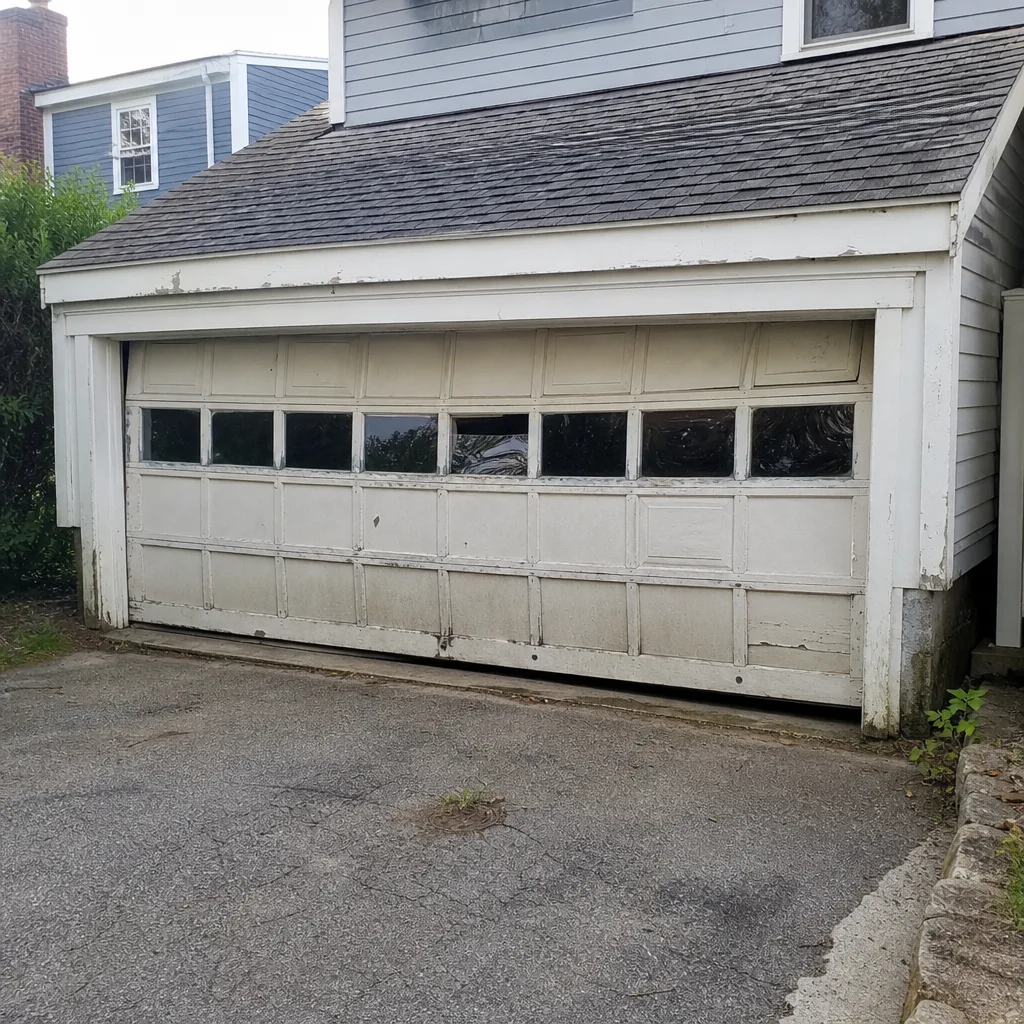 Before
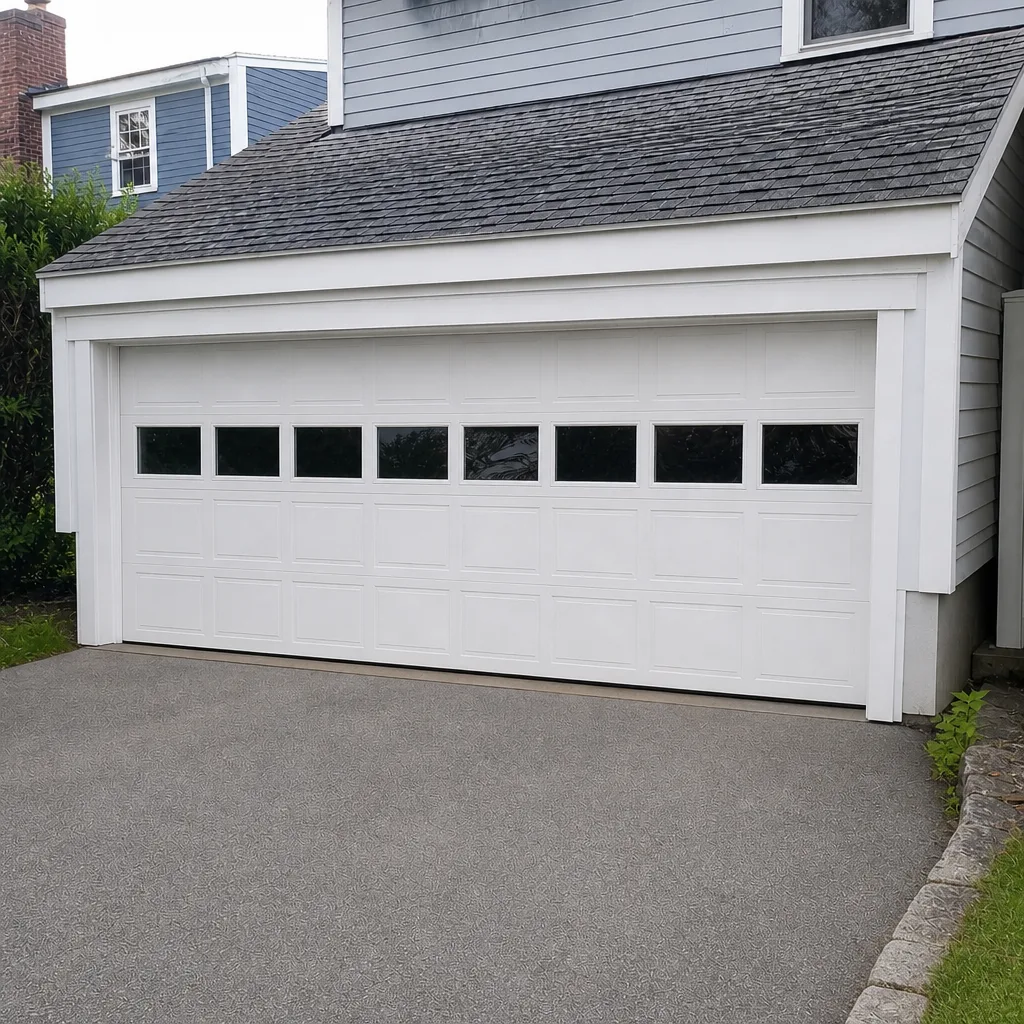 After
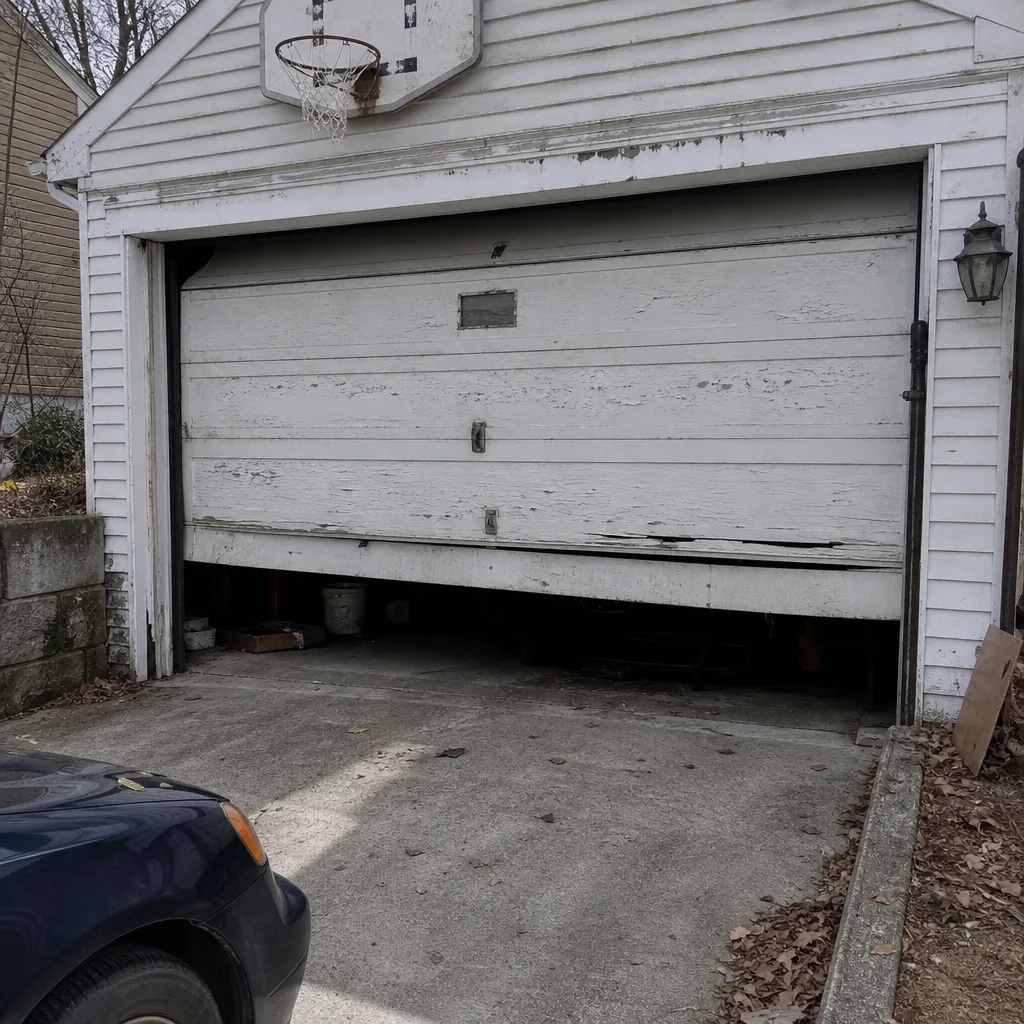 Before
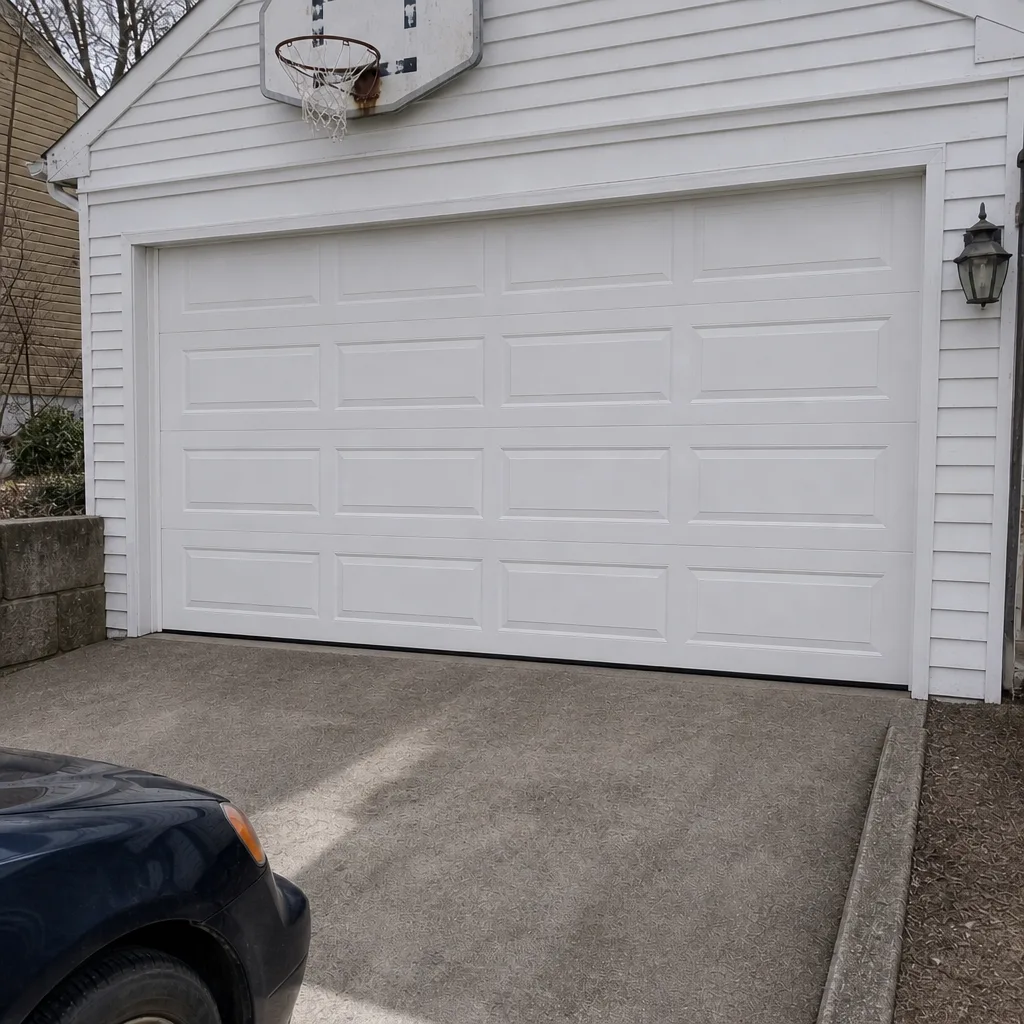 After
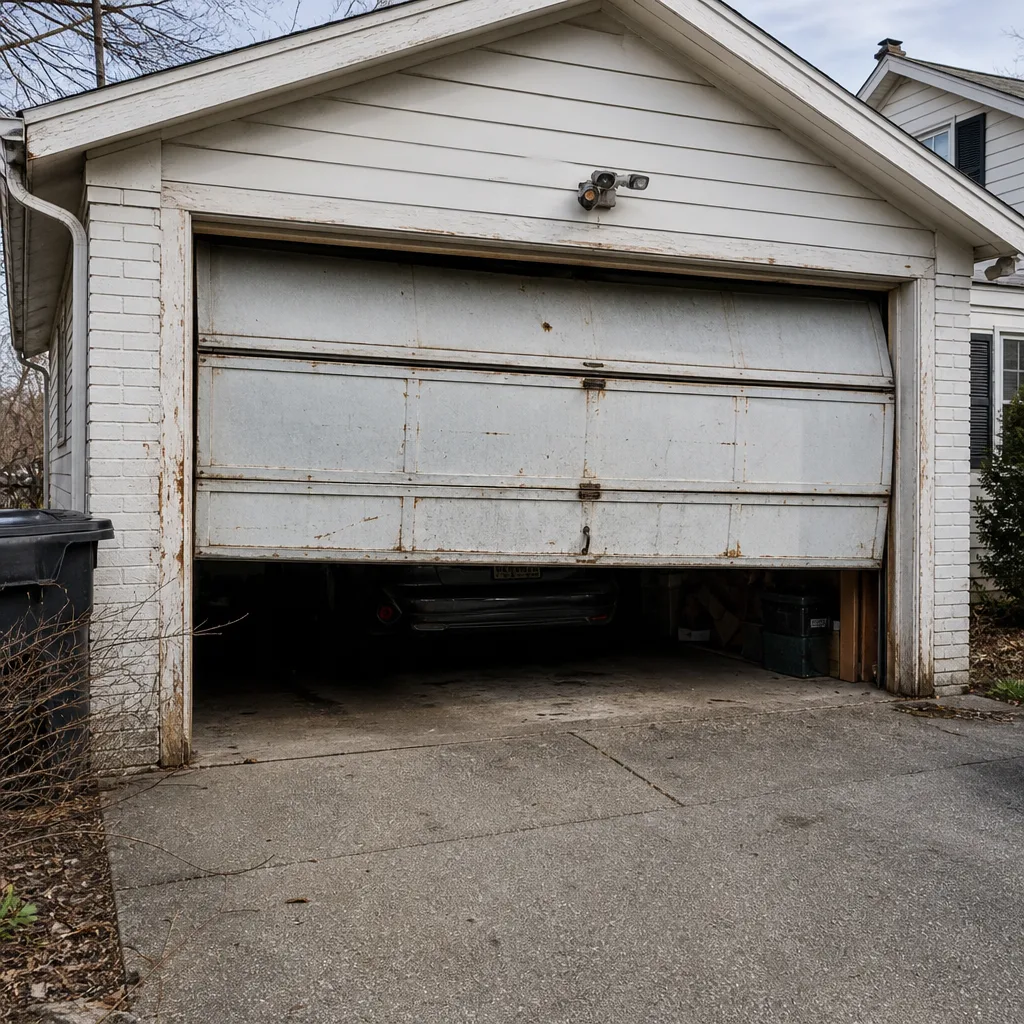 Before
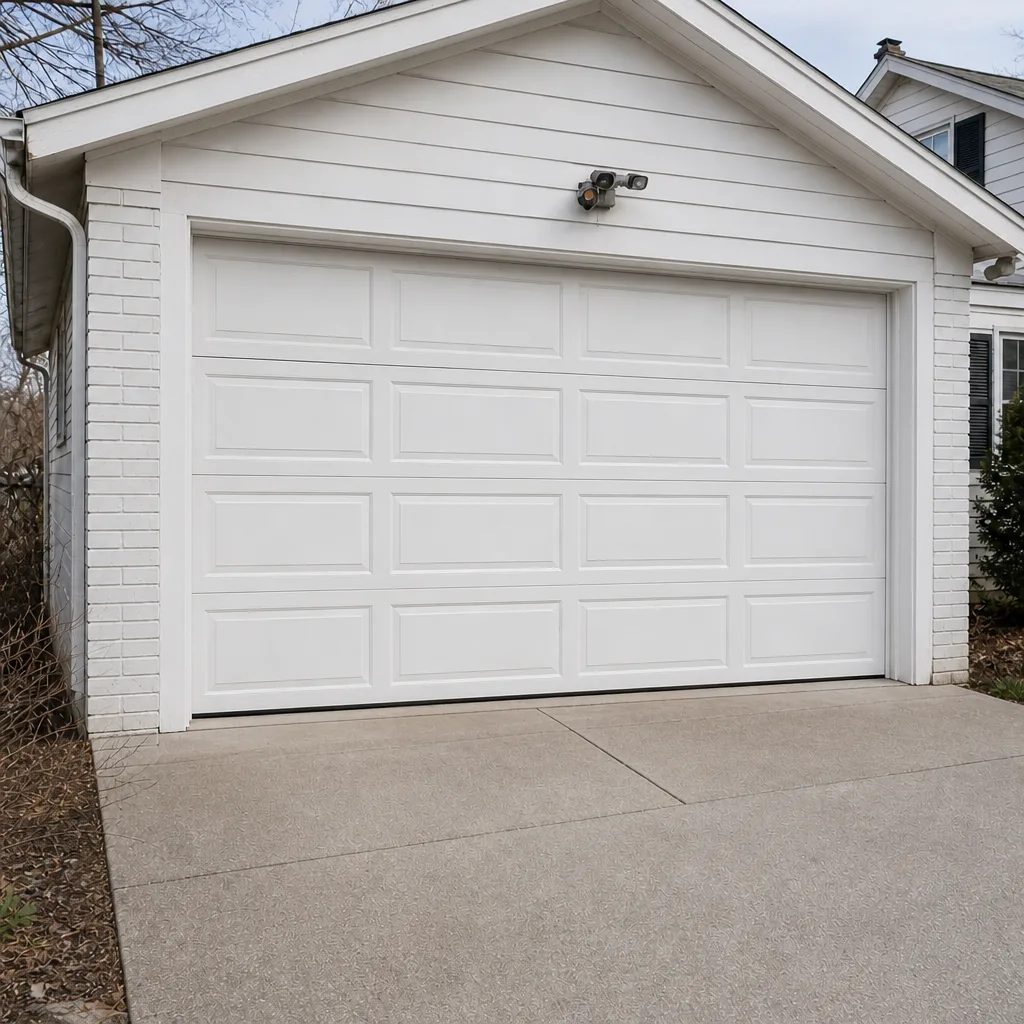 After