
Last updated November 21, 2026
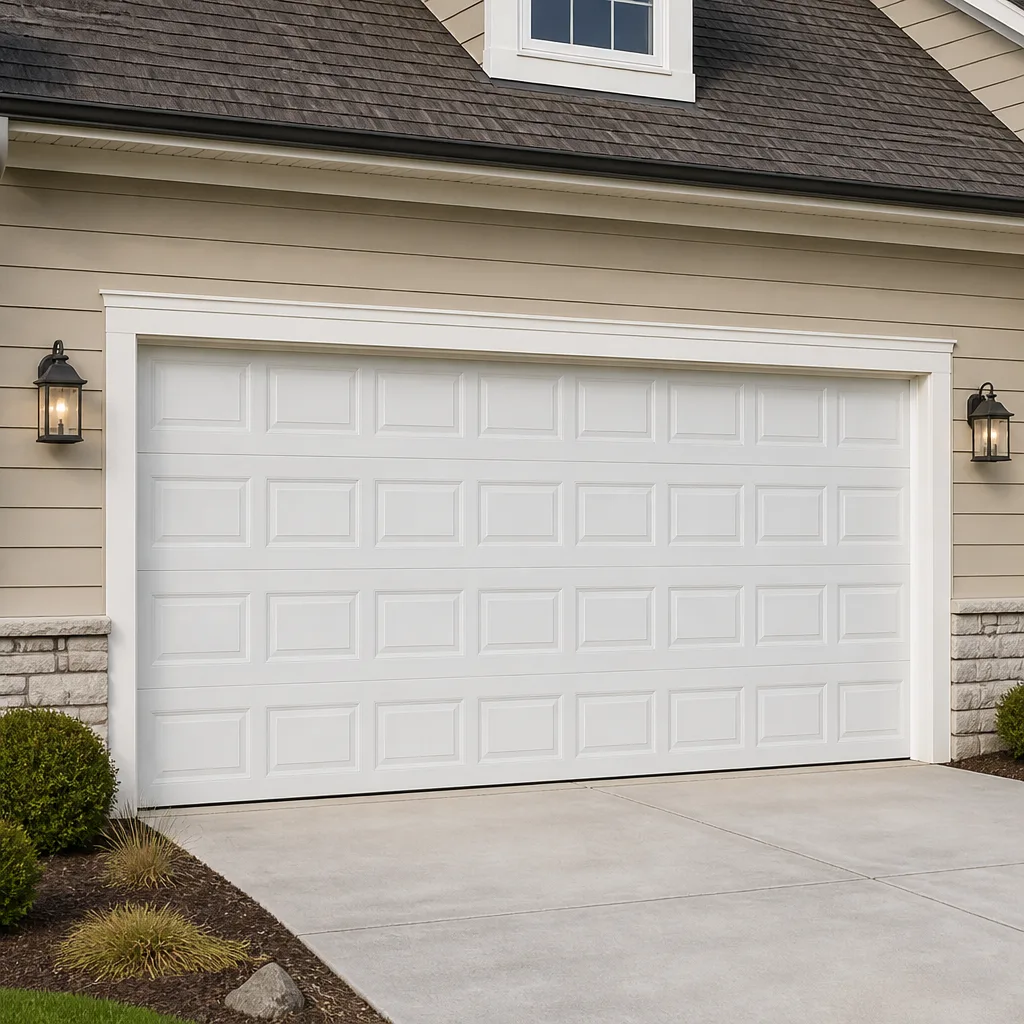 Raised-panel steel
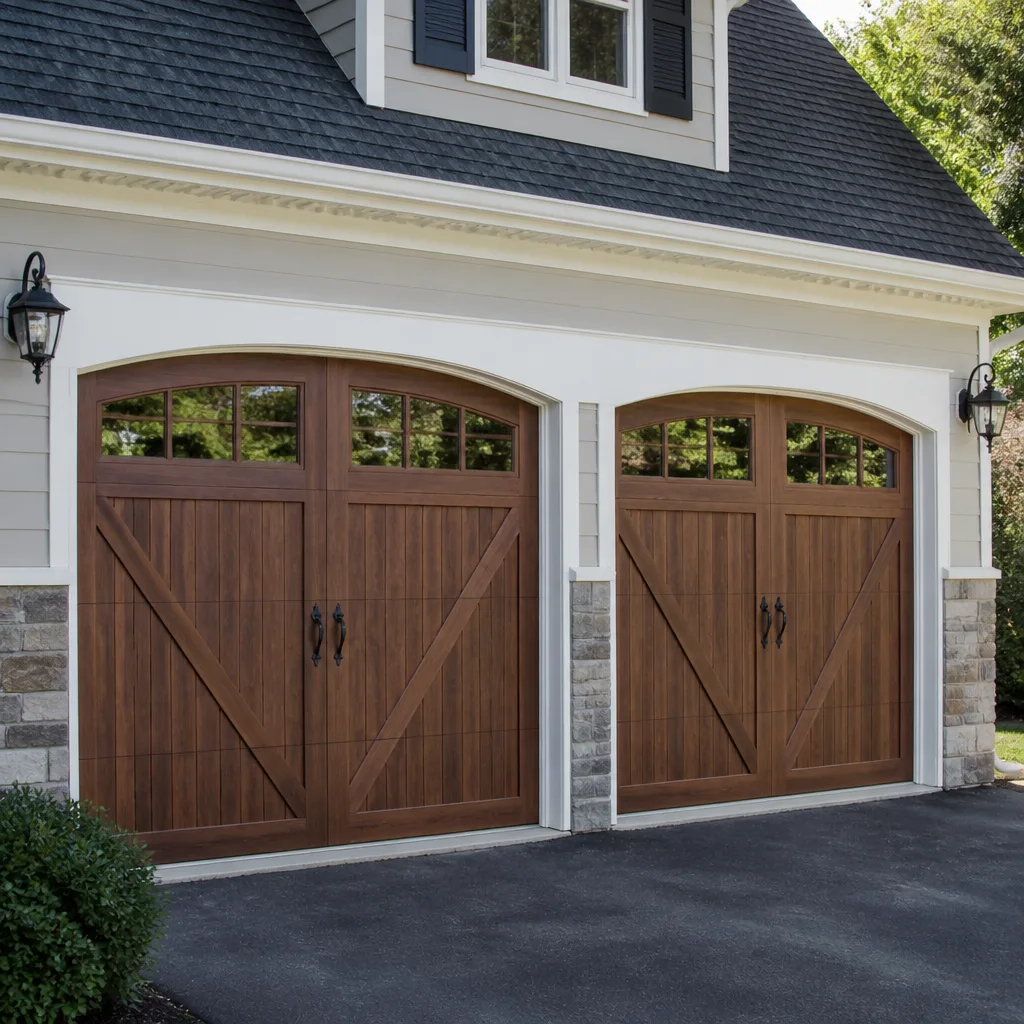 Carriage house
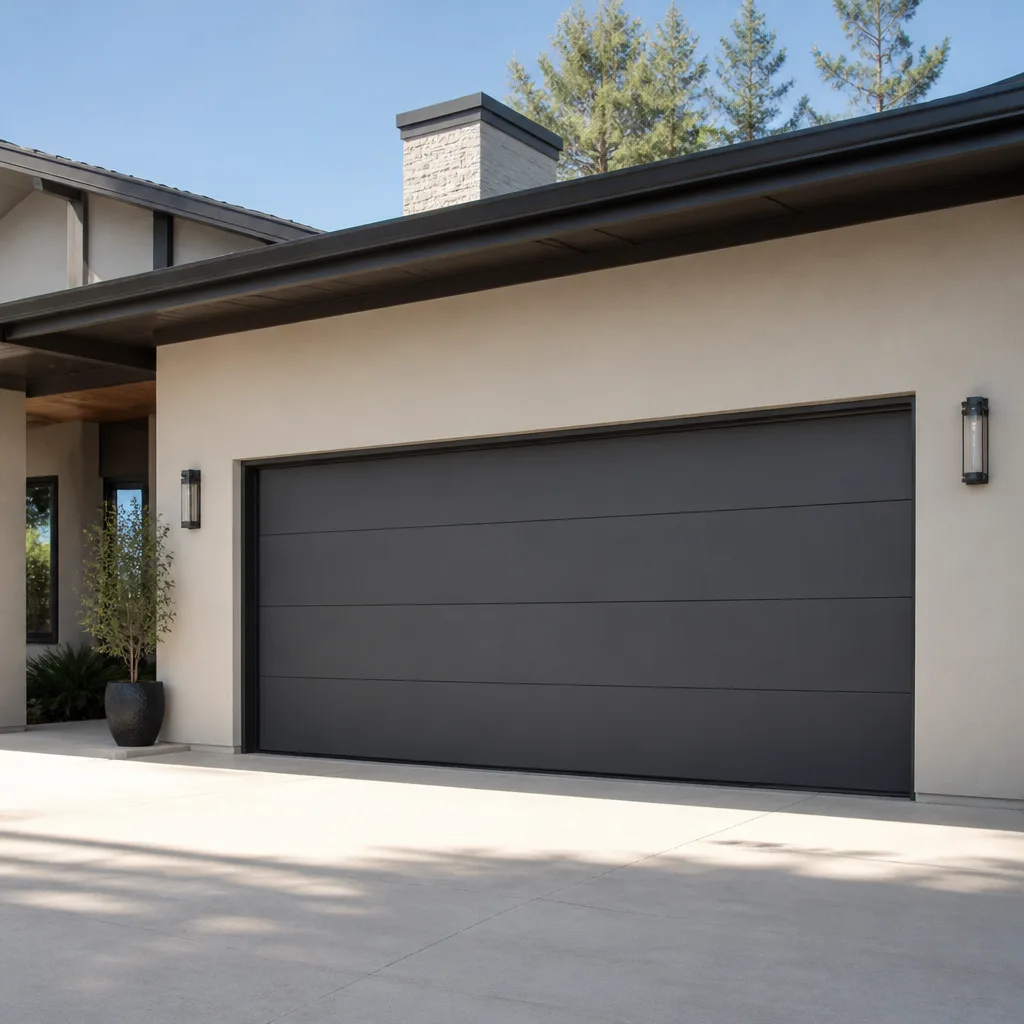 Modern flush
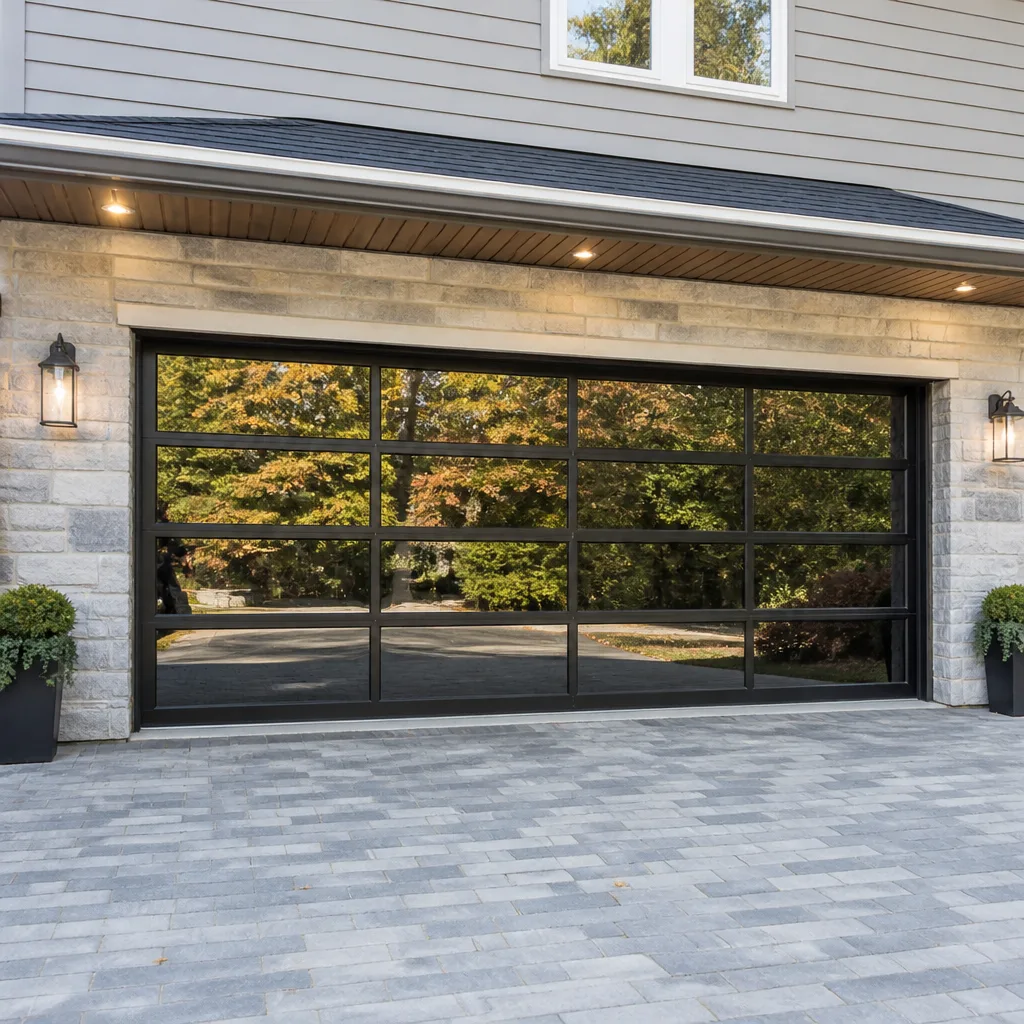 Full-view glass
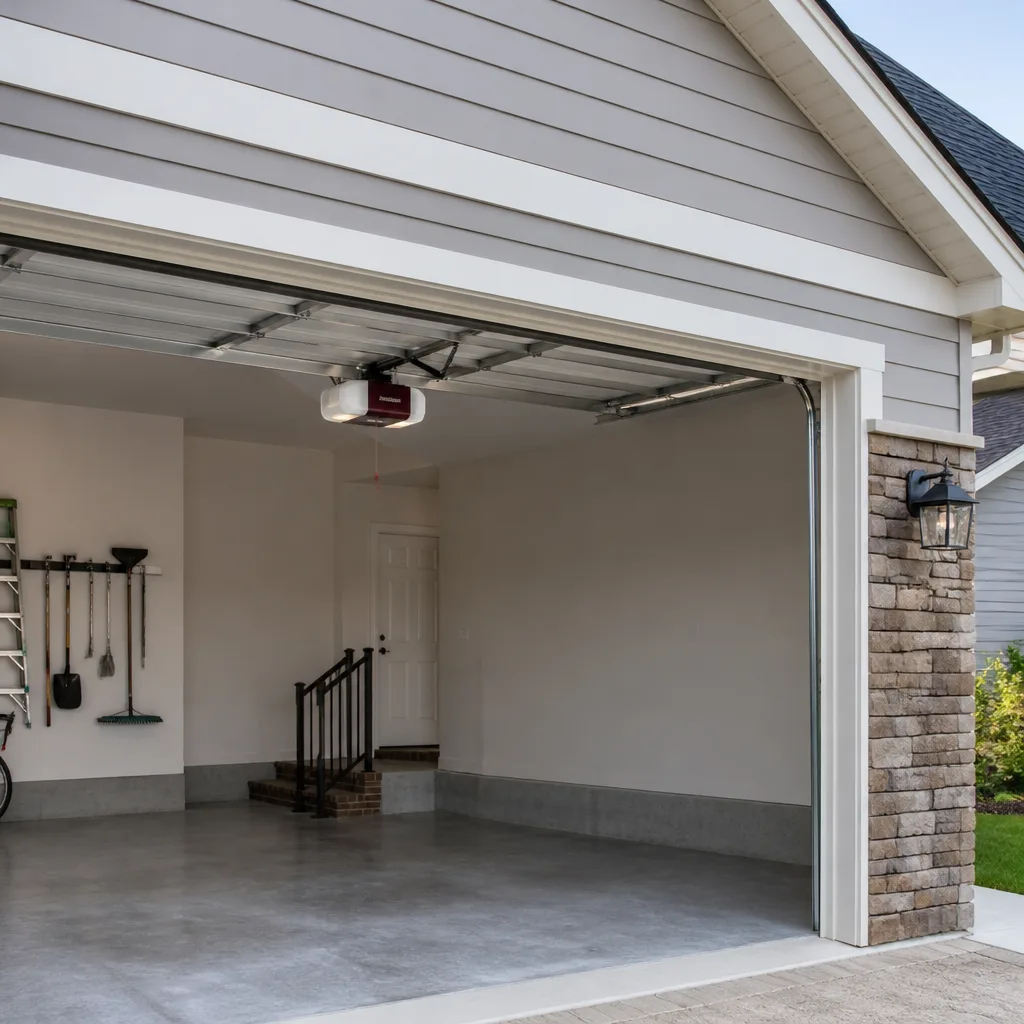 LiftMaster openers
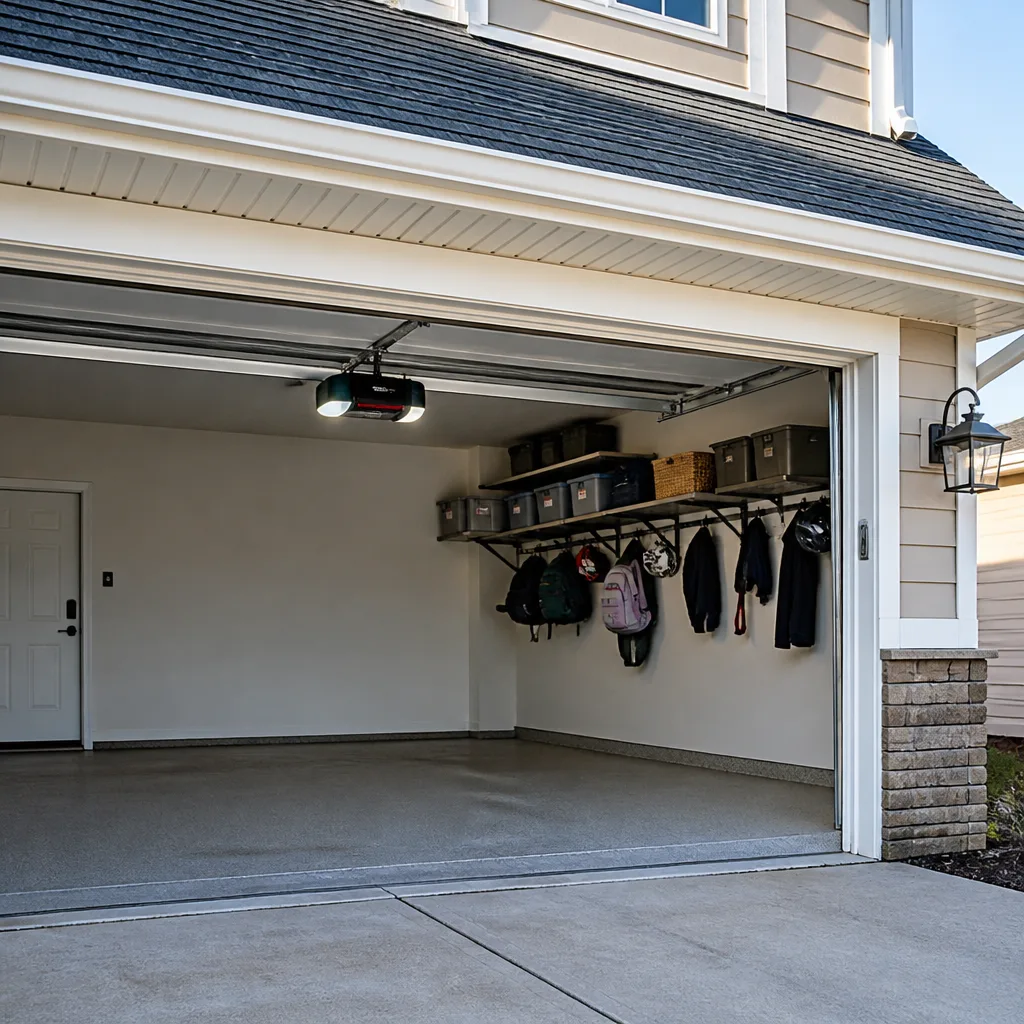 Chamberlain openers
Full 25-point door and opener safety check with every visit - springs, cables, rollers, tracks, and your LiftMaster or Chamberlain opener included
You get a price before we start. It does not change when the pro arrives.
Get your free estimateThe Complete Guide to Garage Doors in Cambridge
Most Cambridge garages were built before automatic openers existed. That single fact changes nearly every repair, replacement, and installation decision you’ll make. Door openings in this city were sized for a car, a hand, and nothing electronic, and the homes wrapped around them have been added to, subdivided, and re-sided ever since. A door that fits a suburban two-car bay often won’t fit a Cambridge alley garage. An opener that works fine on a wide single-family door can strain on a narrow one. This guide walks through what Cambridge homeowners actually face: tight lots, old framing, historic district rules, and shared walls, plus how to choose a door and opener that work with all of it.
Quick Answer
Garage doors in Cambridge need to be measured against the building, not a standard catalog size. Pre-1950s openings often run narrower or lower than modern doors, and multi-unit buildings carry different spring and opener loads than single-family homes. Whether you’re repairing, replacing, or installing from scratch, the priority is matching the door and opener to the actual opening, headroom, and structural wall you have.
Key Takeaways
- Cambridge’s pre-1950s openings frequently don’t match standard door widths or headroom.
- Historic district designations can limit material and style choices on doors facing the street.
- Multi-unit properties need spring and opener configurations sized to heavier use.
- Shared garage walls are common in dense neighborhoods and affect anchoring and spring mounting.
- A proper installation starts with an on-site measure, not an online size chart.
Styles & brands we work with
- Raised-panel steel
- Carriage house
- Modern flush
- Full-view glass
- LiftMaster openers
- Chamberlain openers
Table of Contents
- Why Cambridge’s Pre-1950s Openings Change Everything
- Which Door Types Work in Tight Cambridge Alleyways
- How Historic District Rules Affect Your Door Choice
- Multi-Unit Properties: Springs and Openers That Handle the Load
- Shared Garage Walls and What They Mean for Installation
- Spring Repair: The Most Demanding Job in the Trade
- Matching an Opener to Your Door and Your Brand
- What Garage Door Work Typically Costs in Cambridge
- Finished opening width between the jambs.
- Finished opening height from the floor to the header.
- Headroom, the space above the header to the nearest obstruction.
- Standard sectional door lifts vertically and folds back along ceiling tracks. Works well when there’s depth behind the opening and enough headroom.
- Low-headroom sectional uses tighter track geometry and can fit under obstructions where a standard setup won’t.
- High-lift sectional raises the door higher before turning back, useful when ceiling height lets the door clear obstacles below.
- Roll-up doors coil above the opening rather than running back into the bay, which can help in very shallow garages, though style options are narrower.
- Material and finish, where an existing wood carriage-style door may be expected to stay wood rather than become a stamped steel panel.
- Panel style, including whether a raised-panel or flush design matches the surrounding architecture.
- Color, which some districts regulate more tightly than others.
- Visibility from the street, which determines how strictly the rules apply to a door set back down an alley versus one right at the sidewalk.
- Cycle life. Pick a spring rated for heavy use so it doesn’t fatigue prematurely on a shared door.
- Opener capacity. Match the opener’s lifting force to a door that may be larger or heavier than a single-family door.
- Access control. When several households share one door, opener remotes and keypads need to be managed so everyone has access without the code being passed around.
- Noise. Shared walls and close neighbors mean a belt-drive opener is often the better pick than a chain drive.
- Which wall is yours. Anchor points should go into structure you actually own and control.
- Wall condition. Older shared walls may be brick, block, or frame, each of which takes fasteners differently.
- Track and spring mounting. Tracks and torsion hardware need solid attachment points that don’t rely on a neighbor’s framing.
- Clearance on both sides. A door that opens cleanly on your side still needs to clear whatever’s happening on the other side of a shared wall.
- A loud bang from the garage, often followed by a door that won’t lift.
- A visible gap in a torsion spring coil, or a stretched extension spring.
- The door feels much heavier when you lift it by hand, or the opener strains to raise it.
- The door goes up crooked or drifts down on its own.
- Belt versus chain drive. Belt drives run quieter, which helps in shared-wall and multi-unit buildings.
- Safety reverse. Every opener should reverse when it meets an obstruction; test this periodically and have it serviced if it doesn’t.
- Smart features. Wi-Fi and app control are handy for shared access, but the opener still has to match the door’s load first.
- Existing remotes and keypads. Replacing an opener may mean re-pairing or replacing its accessories, so plan for that in the budget.
Why Cambridge’s Pre-1950s Openings Change Everything
If your garage was built before the 1950s, the opening was cut for a specific car and a specific lot, not for a standard door size. That’s the first thing to understand about garage door work in Cambridge. Modern doors come in a range of common widths and heights, and many older openings fall just outside them, sometimes by an inch or two, sometimes by several. When an opening is undersized, you either modify the framing or order a door built to the opening, and each path has cost and timing implications.
Headroom matters just as much. Torsion springs need room above the door to mount a shaft and drums, and low-headroom garages often can’t take a standard torsion setup without adjustments. Extension springs mount along the sides, which sometimes suits a shallow garage better, but they carry their own considerations for safety and wear. A technician who works in Cambridge regularly will check width, height, headroom, and side clearance before quoting anything, because guessing wrong here means a door that won’t close or an opener that fights the travel limit every cycle.
Three measurements decide most of this:
Add the side room on each side of the opening and you have the full picture an installer needs. If you’re planning a garage door repair rather than a replacement, these same dimensions determine whether the existing hardware can be reused or whether the opener and springs need to be rethought along with the door. Older openings also mean older framing, and framing that has shifted over the decades can make a door bind even when the measurements look right on paper. That’s why a measure on site beats any estimate taken over the phone.
Which Door Types Work in Tight Cambridge Alleyways
Cambridge’s residential alleys are some of the tightest in the region, and the garage at the end of one rarely has room for a door that swings or a track that extends far back into the bay. Sectional doors are the usual answer, because they lift straight up and then run back along ceiling-mounted tracks, but the amount of track matters. On a shallow garage, the door needs a low-profile or high-lift track so it doesn’t hit the back wall when it opens.
Here’s how the main options sort out for a tight alley garage:
What you generally can’t do in a Cambridge alley is a swing-out or tilt-up door that needs clearance in front or above, because there’s rarely room for either. The alley itself is often barely wide enough for a car, so any door that projects outward into the path is a non-starter. The brands most often found on these doors, including Clopay, Amarr, Wayne Dalton, and Raynor, all make sectional models in a range of sizes that can be ordered to fit a non-standard opening. When you’re choosing, the size and the track configuration come first, and the style and panel design come second. A beautiful door that doesn’t clear the back wall is a problem, not an upgrade.
How Historic District Rules Affect Your Door Choice
Cambridge has several historic districts, and if your garage door faces a public street within one, the door you install may need to meet design review standards before a permit is granted. The rules vary by district and by whether the garage is considered a contributing structure, so the first step is always to check with the city’s building department and any applicable historic commission before ordering a door.
In practice, historic review tends to focus on a few things:
A garage tucked behind a triple-decker and invisible from the road usually faces fewer restrictions than a converted carriage house facing a residential street. That distinction matters when you’re planning a replacement, because it can be the difference between a straightforward permit and a longer review. We work with homeowners who need to match their door to a historic requirement while still getting modern spring and opener performance, and the two don’t have to conflict. You can keep a traditional panel design and still have a reliable torsion system behind it. Getting the permit question answered early saves the headache of ordering a door that gets rejected at inspection.
Multi-Unit Properties: Springs and Openers That Handle the Load
Cambridge is full of two-, three-, and four-unit buildings, and when a garage serves multiple households, the door gets used far more often than a single-family door does. That changes the spring calculation. A torsion spring is rated for a specific number of cycles, and a door that opens and closes a dozen times a day wears through those cycles much faster than one used twice a day. Choosing a spring rated for higher cycles, and sizing the opener to match, keeps the whole system working longer.
For multi-unit properties, the practical considerations look like this:
The same logic applies to garage door opener repair on multi-unit properties. An opener that’s undersized for a heavy door will strain, trip its safety reverse, or burn out its motor faster than one matched to the load. If the door serves several units and the opener keeps failing, the answer usually isn’t another repair on the same underpowered unit; it’s sizing the opener to the door. That’s a conversation worth having before the next breakdown rather than after.
Shared Garage Walls and What They Mean for Installation
In dense Cambridge neighborhoods, garages often sit shoulder to shoulder, and a shared wall is common. That structural reality affects how a new door gets anchored and where springs and tracks can mount. A shared wall can’t always take the same fasteners or bear the same load as a freestanding one, and drilling into a wall that belongs to a neighbor’s structure raises its own questions.
What a technician checks on a shared-wall garage:
This is one of the reasons a proper measure on site matters so much in Cambridge. Two garages that look identical from the alley can have completely different wall construction behind the door, and that difference decides whether a job is routine or needs a custom mounting plan. We’ve learned to look at the wall before promising a timeline, because anchoring into a shared brick party wall is a different job than anchoring into a private frame wall. If you’re weighing a full replacement versus a garage door repair, the shared-wall question can tip the decision either way.
Spring Repair: The Most Demanding Job in the Trade
Garage door springs store an enormous amount of energy, and the springs are the part of the system most likely to fail and the part most dangerous to handle. When a torsion spring snaps, the door becomes very heavy and can drop without warning, which is a safety problem first and an inconvenience second. We treat spring work as its own specialty for exactly this reason. It’s precise, it’s hazardous, and it’s not a job for a homeowner with a ladder and a pair of winding bars.
Recognizing the signs that a spring is on its way out helps you plan rather than react:
If any of those show up, stop using the door and have it looked at. A trained technician can identify whether you’re dealing with a single spring or a matched pair, because most systems replace both together for even tension, and that affects how we quote the job. Our technicians have up to 13 years of experience with exactly these repairs. For a dedicated look at this work, see our page on garage door spring repair, and if a spring fails and leaves the garage insecure, our emergency garage door service is available for exactly those situations.
Matching an Opener to Your Door and Your Brand
An opener is only as good as its match to the door it lifts. Cambridge’s older doors are often heavier than a modern sectional, and an opener chosen by horsepower alone can still struggle if the spring tension is off or the door is out of balance. The right approach is to have the door balanced first, then choose an opener rated for its weight and size. A well-balanced door takes very little force to move, and that’s what lets an opener last.
Brand compatibility is where familiarity pays off. We work on the brand you already have, and we’re certified to service eight of the most common openers and door brands on the market, including LiftMaster, Chamberlain, Genie, Clopay, Amarr, Wayne Dalton, Craftsman, and Raynor. That means when we arrive, we already know the hardware on your door rather than learning it on the spot. For a noisy opener, a remote that won’t pair, or a motor that reverses at the wrong moment, the diagnostic path differs by brand, and starting from familiarity saves time.
A few opener decisions worth thinking through in Cambridge:
If the opener itself is failing, our garage door opener repair service covers the leading smart and traditional brands. And if the door is fine but the opener has reached the end of its life, we handle the replacement as part of the same visit rather than sending you to a second company.
What Garage Door Work Typically Costs in Cambridge
Prices for garage door work in Cambridge vary with the door’s size, the spring type, the opener model, and whether the opening needs adjustment. The ranges below are typical estimates for common jobs, and the written estimate you get after an on-site measure sets the final price. A single spring repair is priced for one spring; a matched pair is usually replaced together, so a pair costs about twice the single-spring range.
| Job | Typical estimated range |
|---|---|
| Single torsion or extension spring replacement | $180 to $340 per spring |
| Matched pair of springs | About twice the single-spring range |
| Opener repair | $120 to $300 |
| New opener installation | $300 to $650 |
| Sectional door replacement | $900 to $2,800 |
| Emergency spring or door repair | Quoted per job by written estimate |
Treat these ranges as planning figures. A non-standard Cambridge opening that needs framing adjustment, a historic-district door that needs a specific panel style, or a heavy multi-unit door that needs a higher-cycle spring will land at the higher end or above. The price is quoted and agreed before any work starts, so you won’t see an invoice larger than the estimate for the job you approved. Every estimate is free, and if the job turns out to need more than the initial quote suggested, we tell you before we touch anything.
Common Mistakes to Avoid
- Ordering a door from a standard size chart. Cambridge’s pre-1950s openings often fall outside standard widths and heights, so a catalog door may not fit. Measure the actual opening first.
- Ignoring headroom on a shallow garage. A standard torsion setup won’t fit a low-headroom bay, and the wrong track configuration means a door that hits the back wall. Check headroom before choosing.
- Skipping the historic district check. If your garage faces a street in a historic district, ordering a door before checking with the city’s building department can mean a rejected permit and a door you can’t install.
- Replacing one spring on a matched pair. Springs are usually replaced in pairs for even tension, and a single new spring against an old one wears both faster. Plan for the pair.
- Choosing an opener by horsepower alone. An opener sized to the door’s weight and a properly balanced door matter more than a bigger motor. Balance the door first.
- Overlooking shared-wall anchoring. A shared wall can’t take the same fasteners as a private one, and mounting hardware needs solid structure you own. Confirm the wall construction before installation.
- Trying spring work yourself. Springs store dangerous energy and can cause serious injury. This is a job for a trained technician, every time.
See the difference
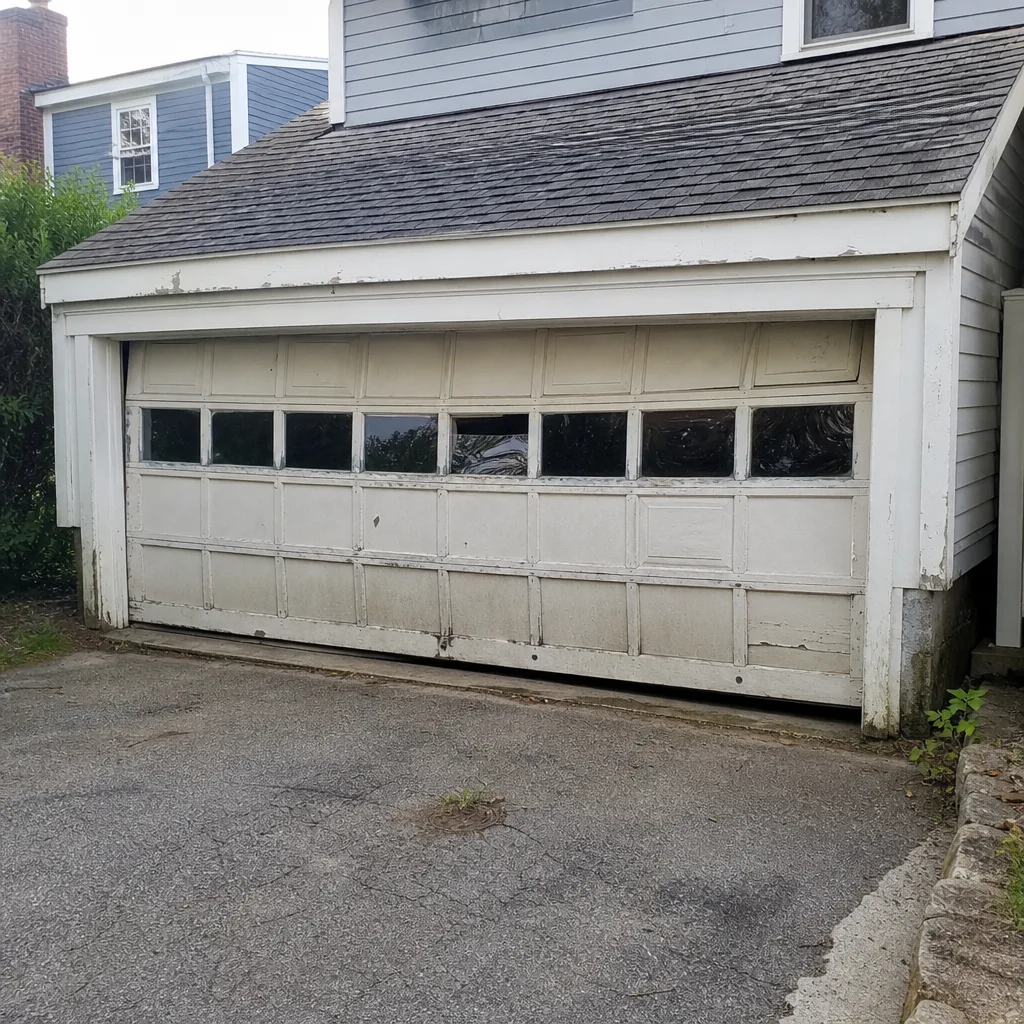 Before
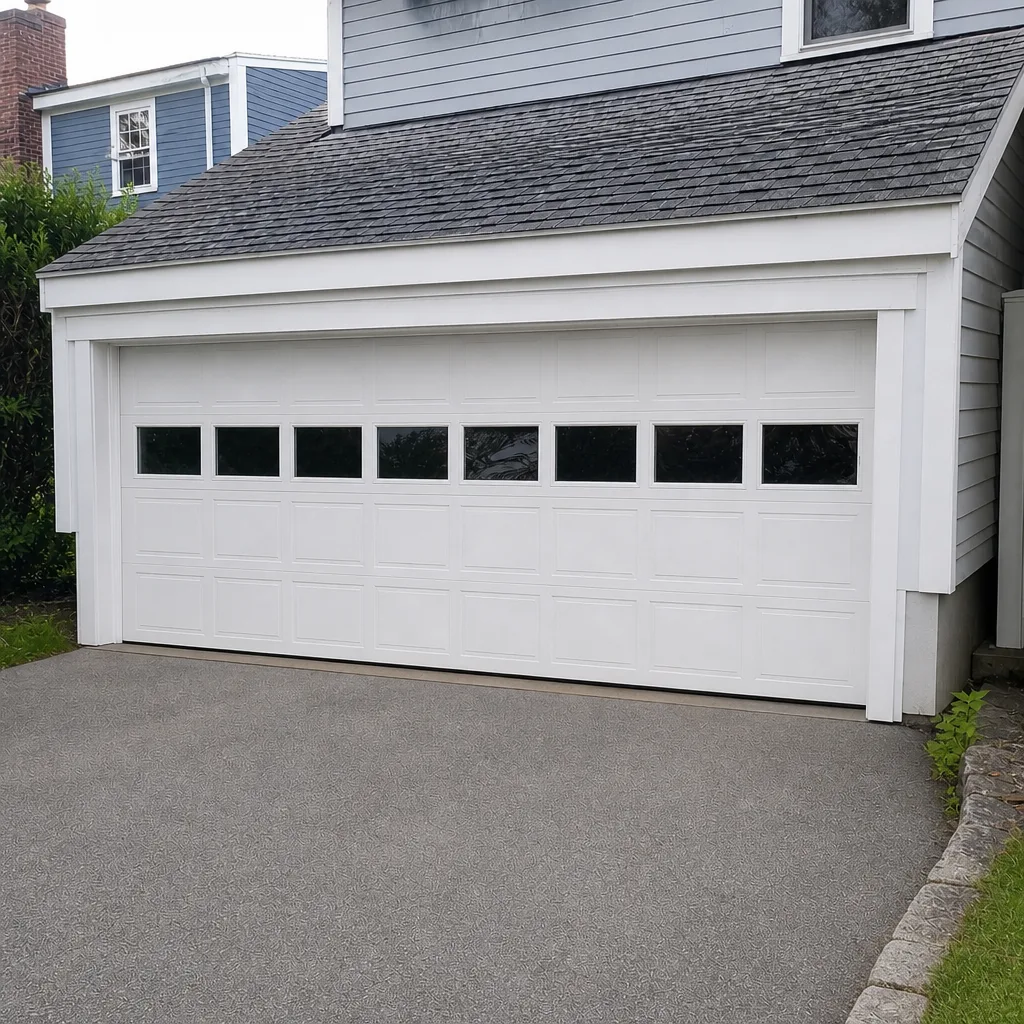 After
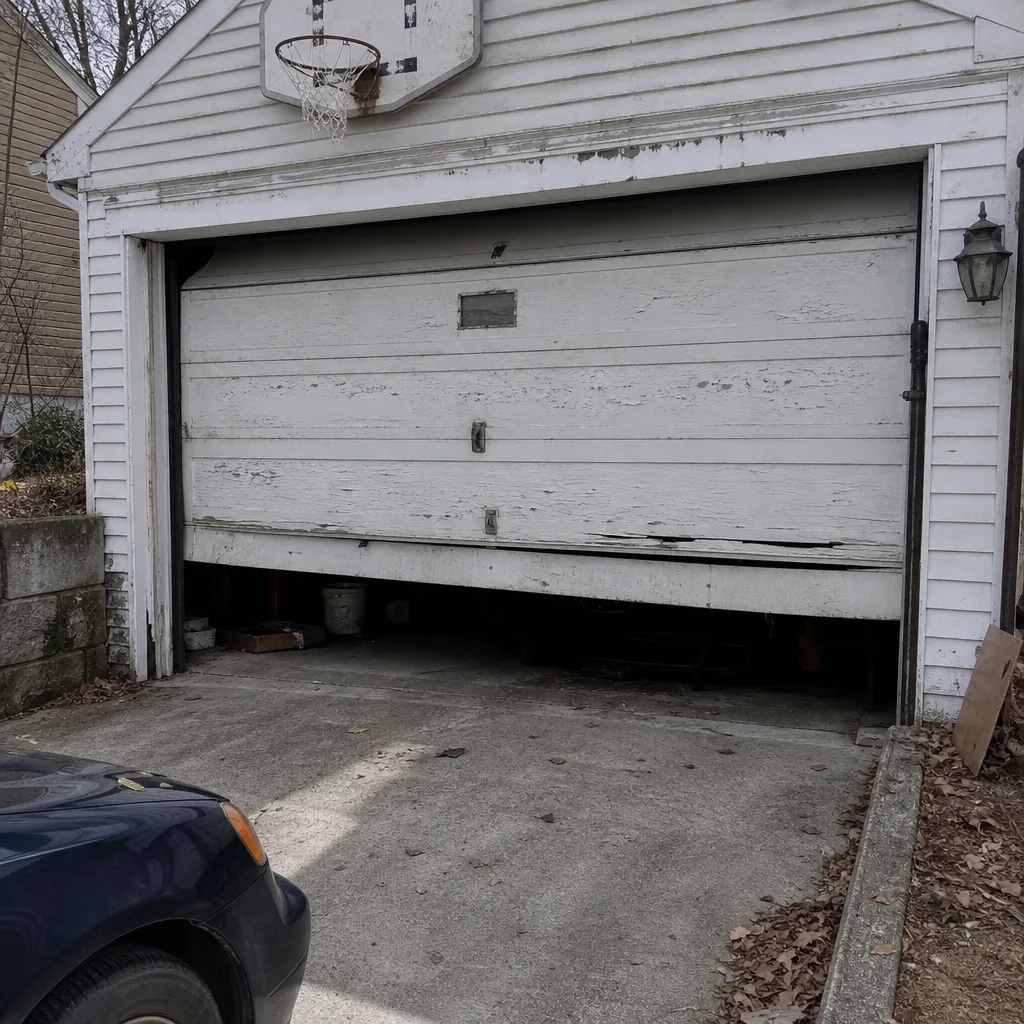 Before
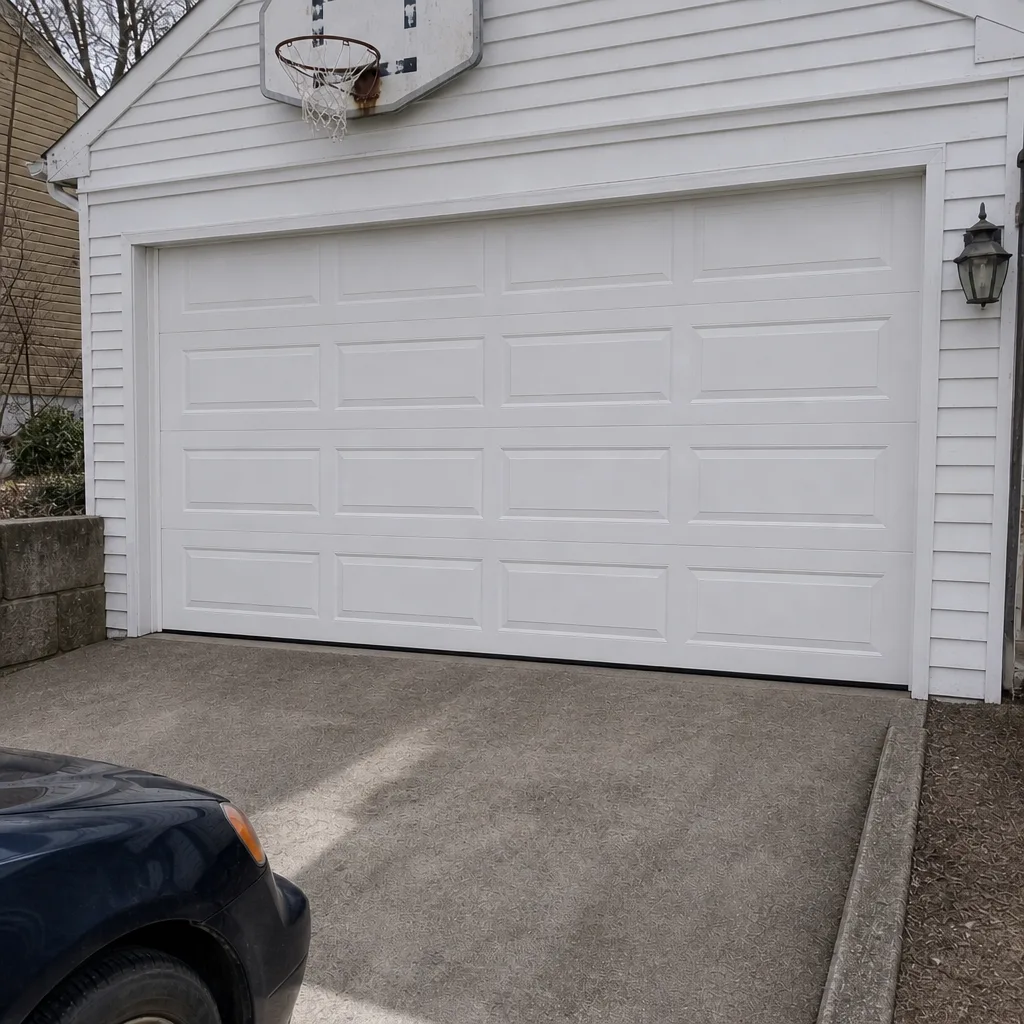 After
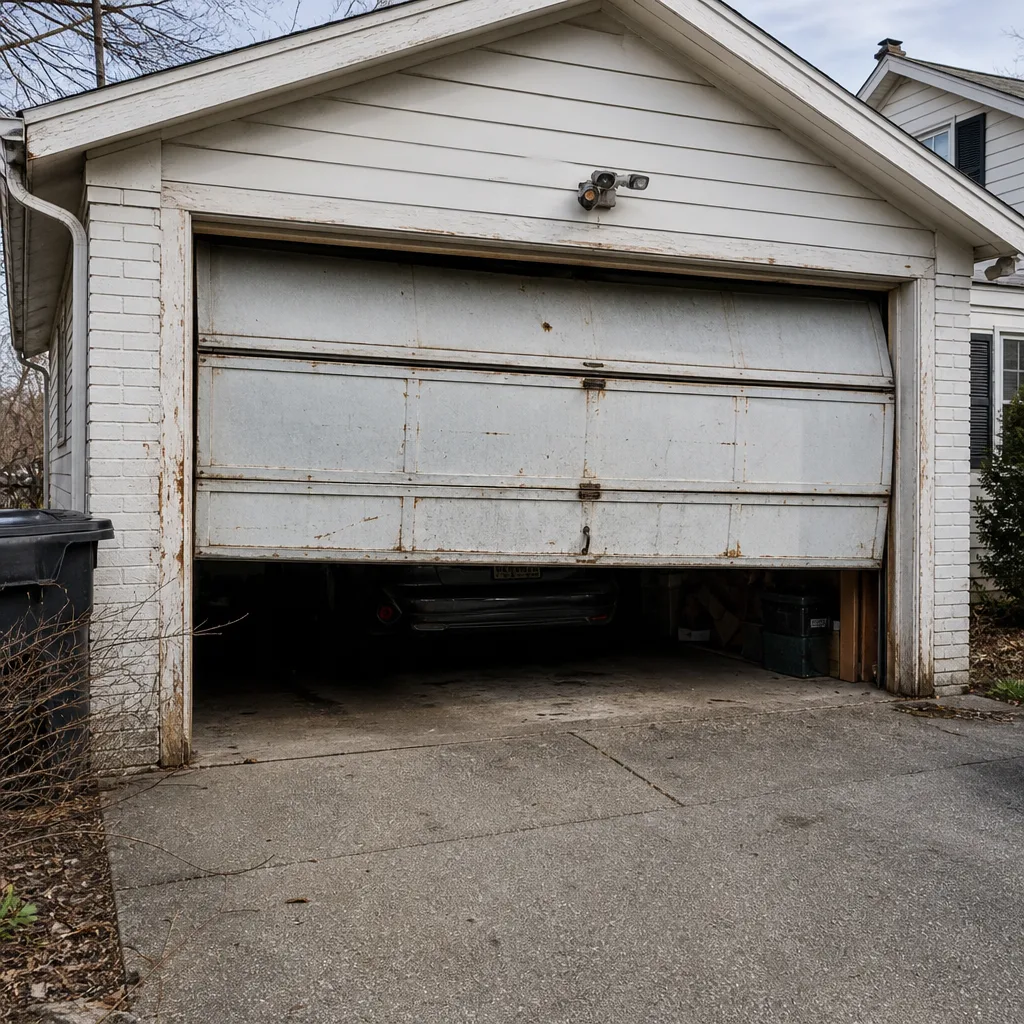 Before
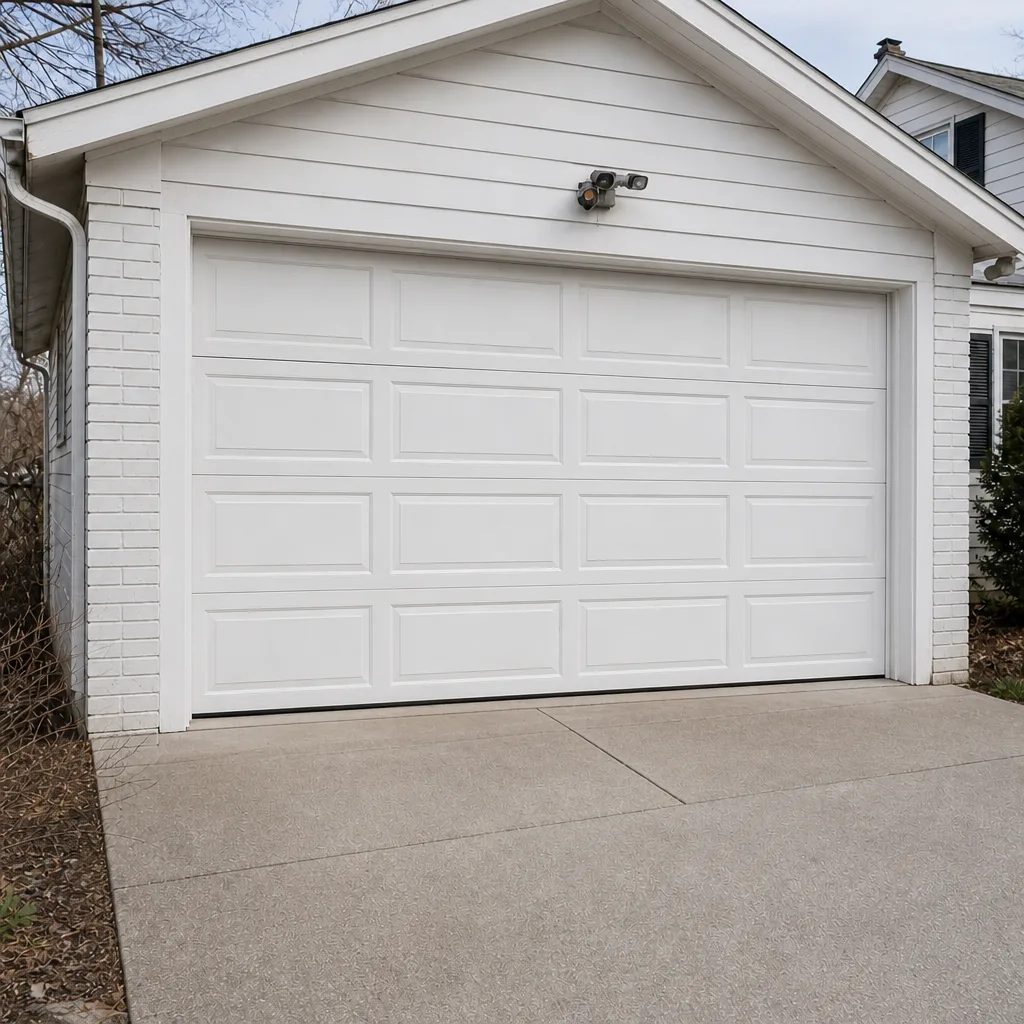 After
When to Call a Professional
Call a professional when a spring snaps, when the door drops or won’t lift, when the opener reverses at the wrong time, or when a door goes up crooked. Those are safety issues, and they’re best handled by someone trained for them. Call sooner rather than later if the door is the only way into a shared garage, because a door that won’t close leaves the building open. Historic-district replacements, shared-wall installations, and non-standard Cambridge openings all benefit from a measure on site before you order anything. Cambridge Garage Door Repair Co offers free estimates in Cambridge – call Cambridge Garage Door Repair Co at (855) 870-5964. We answer 24/7. Fast dispatch from 7am to 7pm, Sunday through Friday. The estimate is free, and the price is agreed before any work starts.
Frequently Asked Questions
Yes. A non-standard opening is common in Cambridge, and the door is ordered to fit the actual measurements rather than a standard size. The technician measures the opening, headroom, and side room on site, then quotes a door built to those dimensions. Modification of the framing is sometimes needed and is noted in the estimate.
It depends on your property and whether it sits in a historic district. Most cities require a permit for a structural change or a new door within a regulated district, so check with the city’s building department before ordering. In a historic district, design review may also apply to material, style, and color.
A single spring replacement typically runs $180 to $340, and a matched pair is usually replaced together, so a pair costs about twice that. The written estimate sets the final price, and a non-standard opening or heavier multi-unit door can move the number. Call (855) 870-5964 for an exact quote – estimates are free.
Yes, a door that won’t close is an emergency, and same-day service is available. We answer 24/7. A call outside dispatch hours is booked into the next opening, Sunday through Friday, 7am to 7pm. The estimate is free, and the price is agreed before any work starts.
No. The price is quoted and agreed before any work starts, and the written estimate sets the final price for the job you approved. If the job turns out to need more than the initial quote suggested, we tell you before we touch anything.
The local professional we connect you with is licensed and insured as the state requires. Our technicians have up to 13 years of experience and work on the eight common garage door brands, including Amarr, Wayne Dalton, Craftsman, and Raynor. Call (855) 870-5964 for a free estimate.
The Bottom Line
Cambridge garage doors are shaped by the buildings they hang in: tight alleyways, pre-1950s openings, shared walls, historic districts, and multi-unit use. The door and opener that fit one garages rarely fit another, and the right answer starts with a measure on site rather than a catalog. Springs and openers need to match the door’s size and load, and spring work in particular is a job for a trained technician because of the dangerous energy involved. If you’re planning a repair, replacement, or installation, get the opening measured, confirm the permit question where a historic district applies, and agree the price before work begins. Call (855) 870-5964 for a free estimate. We answer 24/7. Fast dispatch from 7am to 7pm, Sunday through Friday.
Written by the team at Cambridge Garage Door Repair Co.