
Last updated November 21, 2026
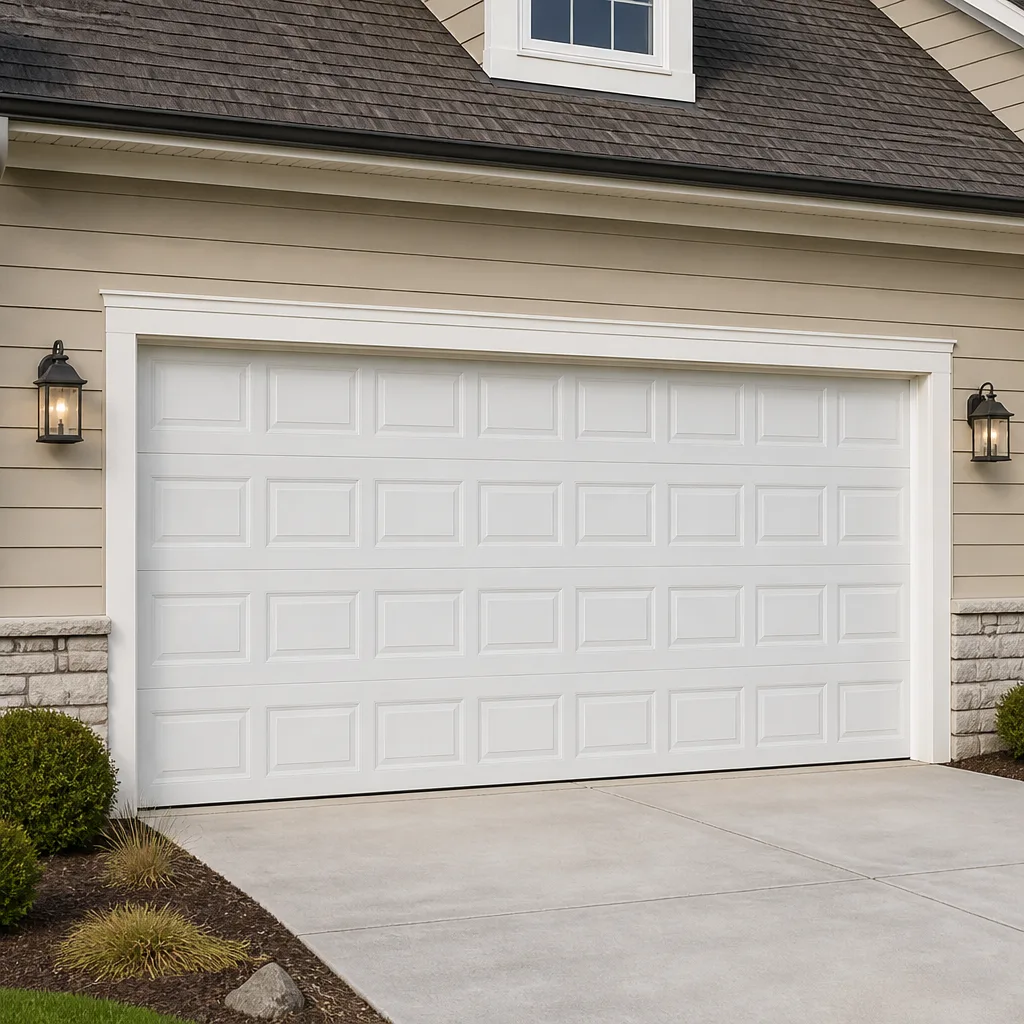 Raised-panel steel
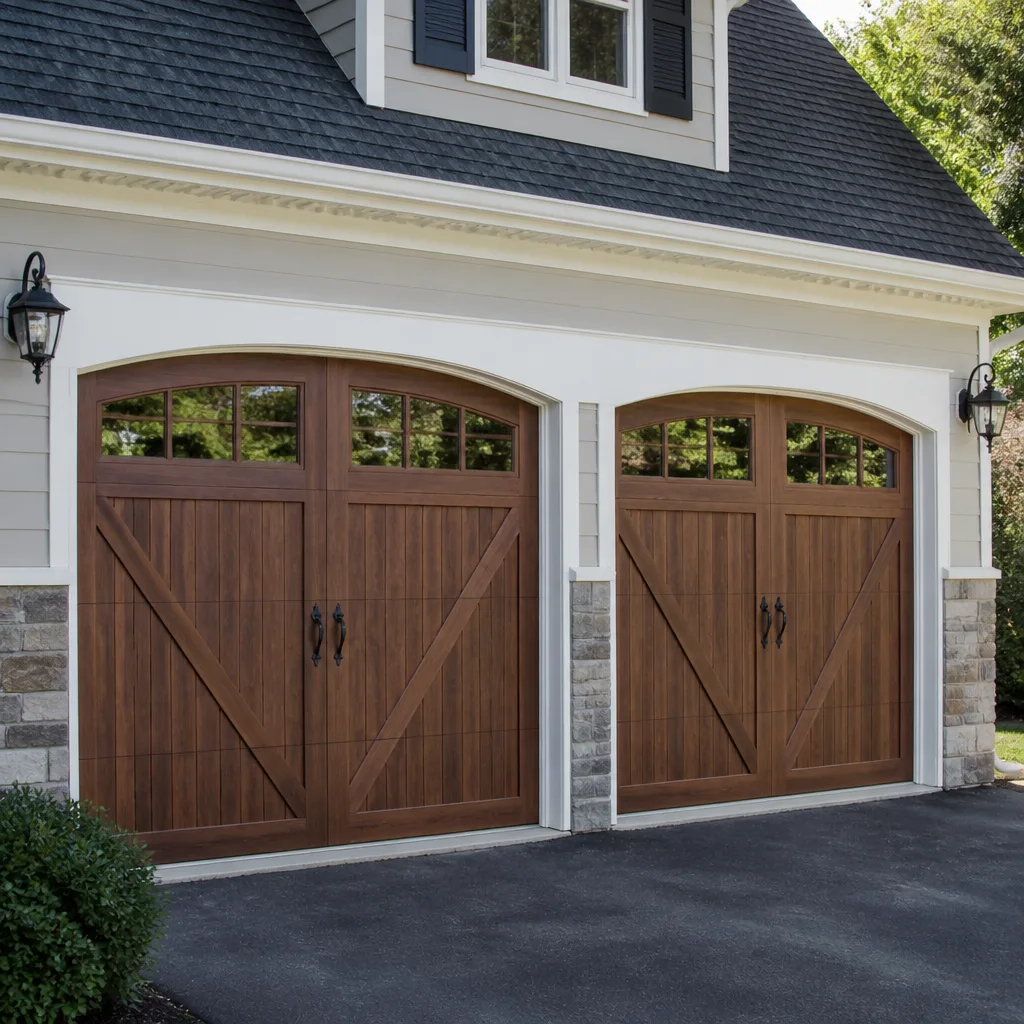 Carriage house
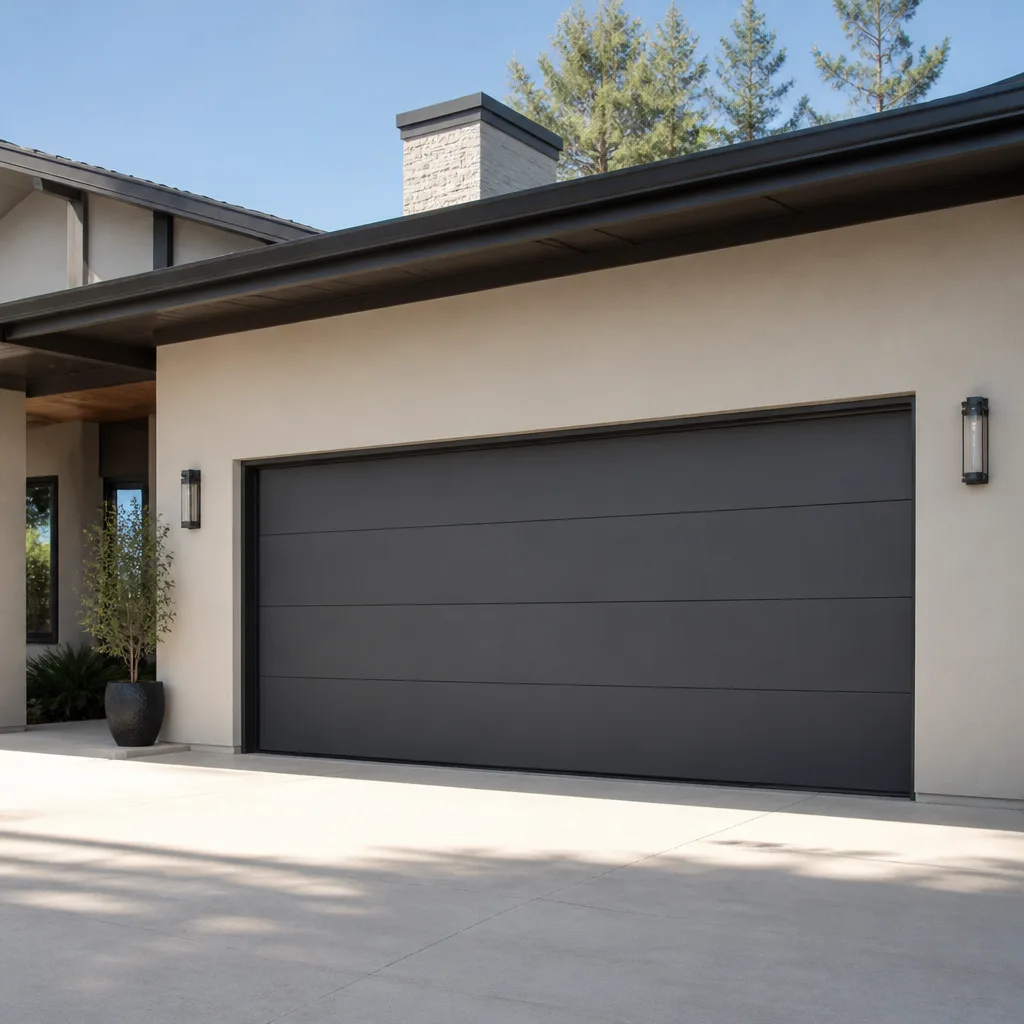 Modern flush
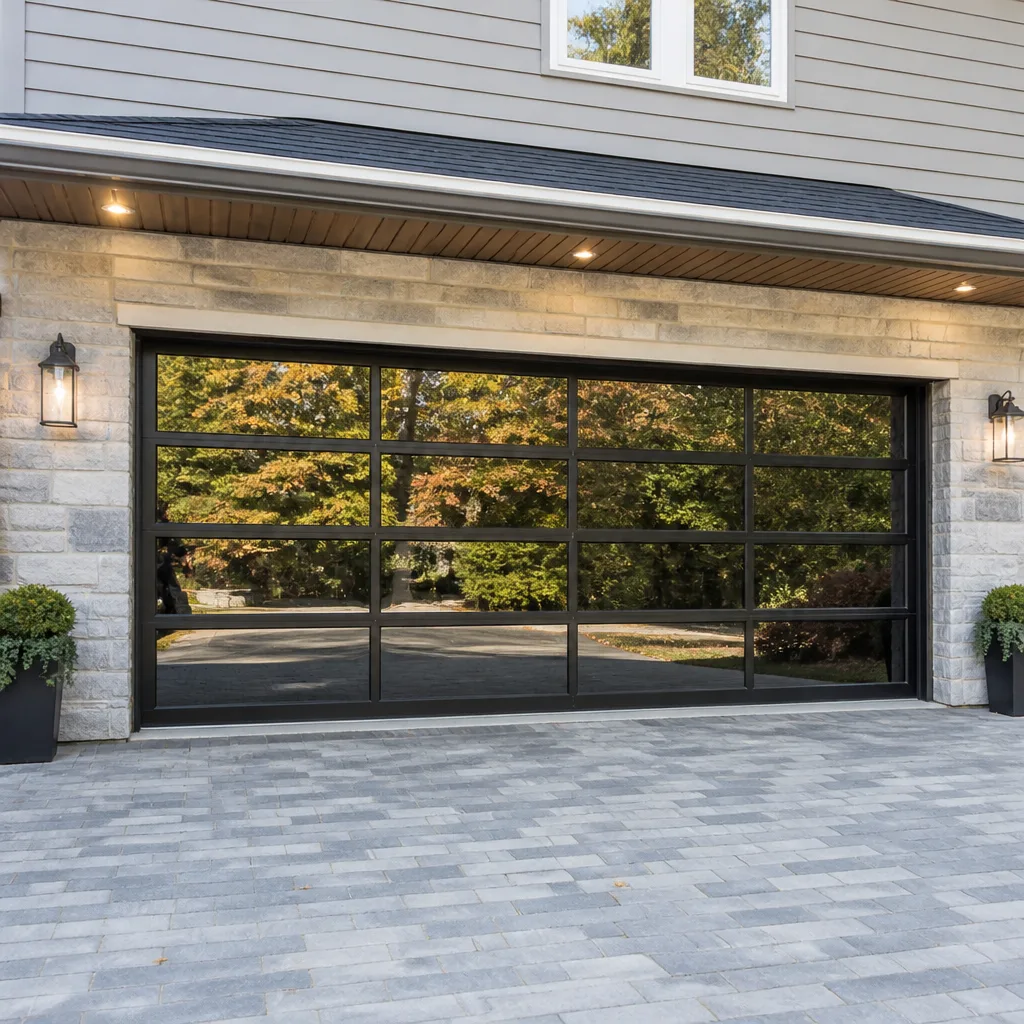 Full-view glass
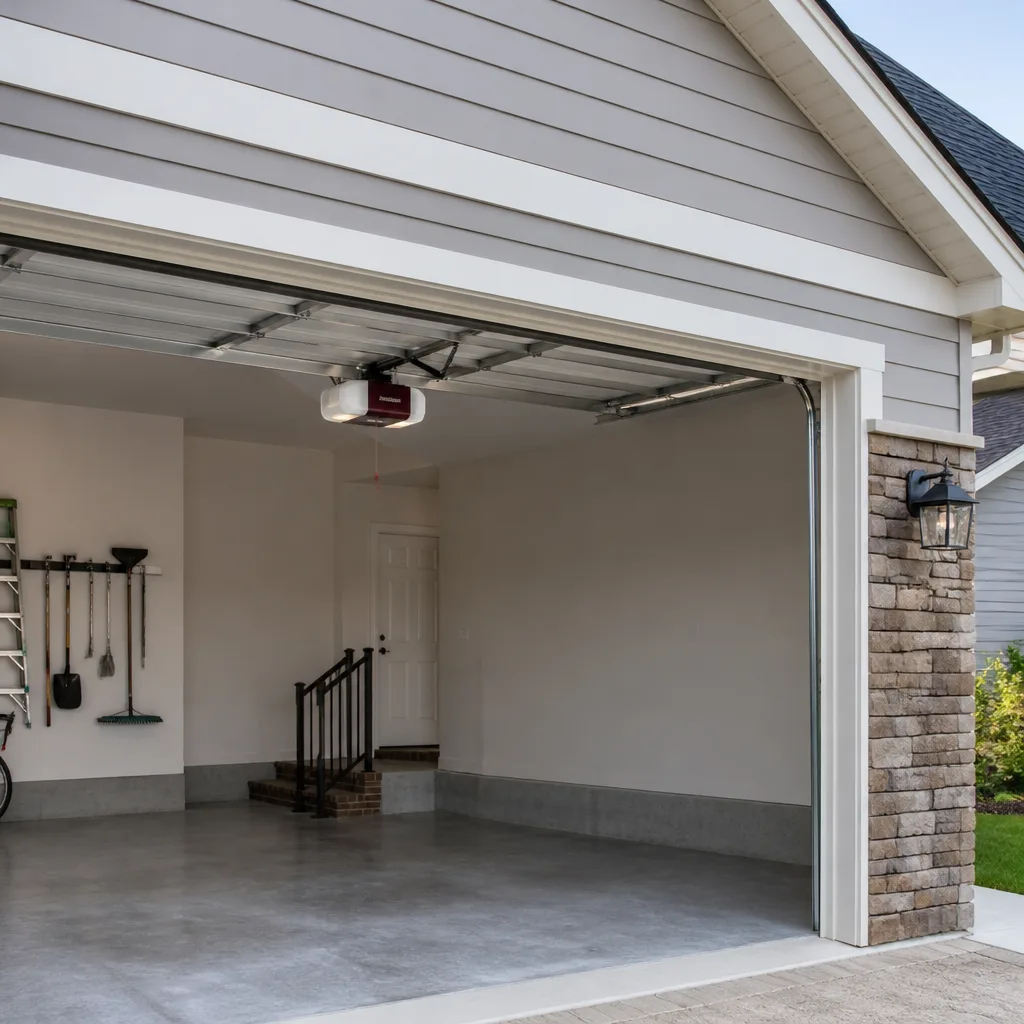 LiftMaster openers
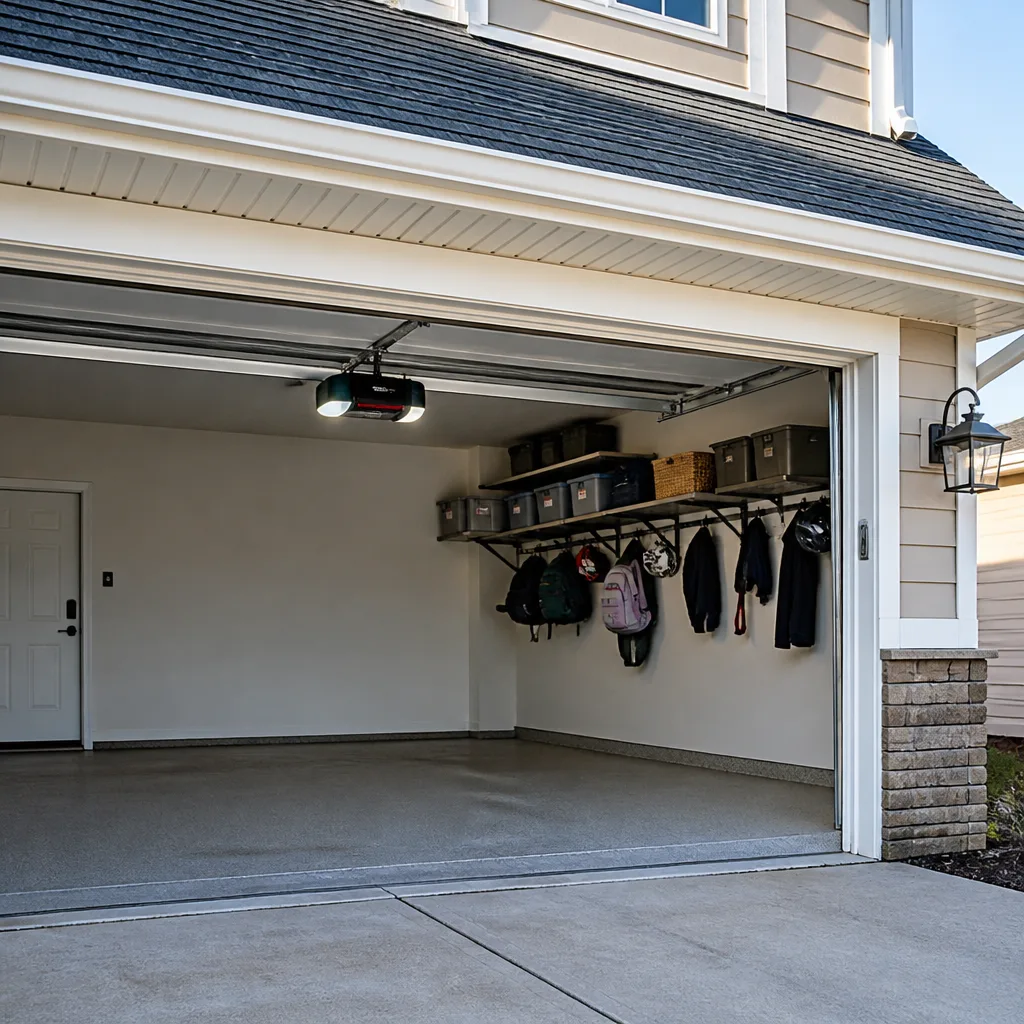 Chamberlain openers
Full 25-point door and opener safety check with every visit - springs, cables, rollers, tracks, and your LiftMaster or Chamberlain opener included
You get a price before we start. It does not change when the pro arrives.
Get your free estimateGarage Door Repair Maintenance Checklist for Cambridge Homeowners
The most expensive garage door repairs in Cambridge start with a symptom homeowners ignored for two winters because it didn’t feel urgent. A faint creak at the top of the track. A bottom seal that sits a little flatter than it used to. A roller that skips once on the way down. It always feels urgent by spring, when the freeze-thaw cycle has done its quiet work and something finally lets go. That timing is the whole problem, and it’s what this checklist is built around. We’ve organized these maintenance steps by the order problems actually show up in Cambridge homes, from the bottom seal upward, so you catch a $20 wear item before it becomes a spring job or a track replacement.
Quick Answer
In Cambridge, the maintenance tasks that matter most are cleaning road brine and grit off the bottom seal and rollers, re-lubricating the torsion or extension spring system every season, checking cable windings for fraying at the drum, and running a 90-second monthly visual pass across the whole door system. These four habits catch the failures that freeze-thaw winters and salted streets push toward first, before they turn into spring, cable, or panel repairs.
Styles & brands we work with
- Raised-panel steel
- Carriage house
- Modern flush
- Full-view glass
- LiftMaster openers
- Chamberlain openers
Table of Contents
- The 90-Second Monthly Visual Inspection
- Bottom Seals, Rollers, and Cambridge’s Winter Brine
- Spring Tension and the Freeze-Thaw Cycle
- Cable Fraying: Cosmetic Wear vs. Load-Bearing Failure
- Lubrication Points That Differ by Spring System
- Opener Electronics and Safety Reverse Testing
- A Season-by-Season Maintenance Calendar for Cambridge
- Knowing Your Hardware: Why Brand Matters
The 90-Second Monthly Visual Inspection
A 90-second pass once a month catches most developing garage door problems before they need a repair call. You don’t need tools, and you don’t need to touch anything that moves under tension. You’re looking, listening, and watching for changes from last month. Here’s the sequence we recommend to Cambridge homeowners:
- Stand outside the closed door. Look across the bottom edge. Is the bottom seal touching the floor evenly, or is there a visible gap on one side? A gap means either the seal is worn or the door is slightly out of level.
- Look at the panel seams. Straight lines should stay straight. A bow in the middle panel, especially on a Clopay or Amarr steel door, usually points to a spring or cable that’s no longer balancing the door.
- Check the hinges and rollers from the side. You’re looking for rust bloom, dangling roller stems, or hinges that have pulled loose from the panel.
- Open the door with the wall button and watch the travel. It should move at an even speed. A stutter, a sudden lurch, or a grinding sound near the top of the cycle needs attention.
- Listen at the end of the open cycle. A single soft thump is normal. A clang, a rattle that continues, or a clicking chain is not.
- Look up at the springs from a safe distance. Never reach up to touch them. Look for visible gaps in a torsion spring coil or rust streaking down the spring.
That’s it. Ninety seconds, no ladder, no contact with moving parts. In our experience, this sequence surfaces the majority of developing problems while they’re still cheap. If you spot something on step 2 or step 5, that’s usually when a simple garage door repair visit saves you from a much larger one later.
Bottom Seals, Rollers, and Cambridge’s Winter Brine
Cambridge’s winter road treatments are the single biggest driver of premature wear on the door’s lowest moving parts. The city and surrounding streets get heavily salted and brined, and every time you back out or walk the dog, that treated slush gets kicked toward your garage threshold. It collects on the bottom seal and the lowest rollers, and it stays there.
What happens next is a predictable corrosion sequence we see repeatedly on Cambridge doors:
- First winter: the rubber bottom seal absorbs grit and begins to pit where it meets the slab. The door still seals fine.
- Second winter: brine gets behind the seal at the panel edge and starts corroding the steel return. Roller bearings develop a faint crunch.
- Third winter onward: rollers bind and skip, putting lateral stress on the track. The bottom seal cracks through and stops sealing, which lets meltwater freeze under the doorframe.
You can interrupt that sequence cheaply. Two or three times through winter, wipe the bottom seal down with a damp cloth and a mild soap solution, then dry it. Rinse the lowest pair of rollers with plain water and dry them with a rag. A light coat of garage door lubricant on the roller stems, not the rubber, slows the corrosion. We’ve had Cambridge homeowners tell us this single habit added years to their seal’s life. If the seal is already cracked or flat, replacing it is one of the least expensive items on the whole system and it’s worth doing before the next hard freeze.
Spring Tension and the Freeze-Thaw Cycle
Cambridge’s temperature swings do more to garage door springs than any other single factor. When the temperature drops below freezing and then climbs back above it, steel cycles through tiny expansions and contractions. Every one of those cycles adds microscopic stress to a spring that’s already under hundreds of pounds of load. Over a few winters, that adds up.
Spring tension should be checked every season, but here’s the key distinction. What you can safely do is a visual and functional check. What you must never do is adjust spring tension yourself. Torsion springs and the cables wound around them hold stored energy that can seriously injure or kill someone who doesn’t have the training and proper tools.
A safe seasonal check looks like this:
- Balance test: open the door by hand about halfway. It should hold position on its own. If it drops, the springs have lost tension. If it flies up, they’re over-tensioned.
- Visual check: look for a visible gap in the torsion spring coil (a gap means the spring has snapped) or, on extension springs, for a stretched spring hanging loose.
- Noise check: a sharp bang from the garage, even if the door still opens, usually means a spring has broken and the remaining spring is now carrying the full load alone.
If any of those checks fail, stop and call. This is exactly why we treat garage door spring repair as its own dedicated service. It’s the highest-risk repair in the trade and the one that most deserves a trained technician. Our technicians have up to 13 years of experience, and they’ve seen how these springs behave after a Cambridge winter.
Cable Fraying: Cosmetic Wear vs. Load-Bearing Failure
Garage door cables carry the load the springs hand off, and they’re the part most homeowners look at and guess wrong. Some fraying is benign. Some is a warning that a cable is about to fail under load. The difference comes down to where the fraying is and how much of the strand is gone.
Cosmetic wear (monitor, don’t panic)
A light, even fuzziness along a cable where it runs over a drum, or a few broken outer strands near a termination point, can be normal wear from years of travel. You’re checking for spread. If it looks the same at every monthly check, add lubrication and keep watching.
Load-bearing failure (stop using the door)
These signs mean the cable has lost real strength. Stop opening the door and schedule service:
- A cluster of broken strands bunched in one spot, especially anywhere the cable wraps onto the drum or attaches to the bracket.
- Any kink, bird-cage, or unraveled section along the cable length.
- A cable riding off its drum or producing a visible slack loop.
- Uneven door travel with one corner visibly lower than the other.
The rule we give homeowners: if you can see metal strands hanging loose, that’s load-bearing. A cable can snap without warning and the door can come down hard, so a cable that fails any of those four checks should not be operated. Request a professional inspection of Cambridge Garage Door Repair Co and we’ll tell you straight whether it’s cosmetic or a full replace-now situation.
Lubrication Points That Differ by Spring System
Lubrication is the cheapest maintenance you can do, but the points differ depending on whether your door uses torsion springs (mounted horizontally above the door on a shaft) or extension springs (running along the horizontal tracks on either side). Using the wrong approach on one can do more harm than good.
For torsion spring systems
- Apply garage door lubricant along the length of the torsion shaft, not the spring its
- Lubricate the center bracket bearing and the two end bearing plates on the shaft.
- Oil the hinges at each pivot point (not the spring itself).
- Lubricate the roller stems, not the rubber wheel.
For extension spring systems
- Lubricate the pulleys where the cable rides, on both horizontal tracks.
- Wipe a thin coat of lubricant on the extension spring coil itself, which does reduce creaking on this type.
- Oil the hinges and roller stems as above.
- Check the safety cables that should run through the center of each extension spring and lubricate where they travel.
One to two times a year is enough, using a proper garage door lubricant rather than WD-40 or a household spray, which attract grit. While you’re at it, this is a good moment to look over the garage door opener repair side of the system. A chain or belt that’s grinding or slipping often traces back to a dry rail or a worn drive gear.
Opener Electronics and Safety Reverse Testing
The opener is a motor, a set of electronic controls, and a safety system. Testing the safety reverse once a month is the one habit on this list that protects people, not just the door. A door that closes on a child is the worst failure in this trade, and it’s entirely preventable.
- Test the photo-eye safety sensors. With the door open, wave an object across the invisible beam at the bottom of the tracks while pressing the close button. The door should immediately reverse before it hits the floor.
- Test the mechanical force limit. Place a roll of paper towels flat on the floor in the path of the door and close it. The door should reverse on contact and go back up.
- Test the wall control. The button should work every time, and the wall control should be mounted out of reach of children.
- Test the remote. If it’s intermittent, replace the battery first, then check whether you’re getting range issues that point to an opener board or antenna.
If any of those four tests fails, don’t keep using the door and hope. A failed safety reverse is a real safety problem, and it’s the reason we list it at the top of any diagnostic. On a smart opener from Chamberlain, LiftMaster, or Genie, a failed test can also show up as a specific error code, and having the model on hand when you call saves time. We work on the brand you already have, so a LiftMaster or Chamberlain board on your wall changes nothing about how we diagnose it.
A Season-by-Season Maintenance Calendar for Cambridge
Cambridge’s weather gives you two key transition points each year, plus the deep-freeze stretch in between. Here’s how to spread this checklist across the calendar so nothing gets missed:
Fall (before the first hard freeze)
- Wash the bottom seal and the lowest rollers.
- Lubricate the full system, including the extension spring coils if you have them.
- Run the paper towel safety reverse test.
- Check spring balance and look for any visible cable fraying.
- Listen for new squeaks that developed over the summer.
Winter (the brine season)
- Rinse the bottom seal and lowest rollers after heavy salt events.
- Wipe a light coat of lubricant on roller stems before the deep cold.
- Watch for a flat or lifted bottom seal letting meltwater in under the door.
- Do the monthly 90-second visual check without fail, since freeze-thaw stress is highest now.
Spring (the after-freeze inspection)
- This is when hidden damage from winter surfaces. Inspect springs carefully for gaps or cracks.
- Recheck cable windings on the drum.
- Test the force limit and photo-eyes again after the cold season.
- Clean the tracks and remove any grit that built up over winter.
Summer (the easy season)
- Lubricate the full system once more.
- Address any paint or rust on steel panels before it spreads. A Wayne Dalton steel door benefits from a spot-treatment of rust as soon as it appears.
- Test the opener’s emergency release and the manual release with the door fully closed.
Living in Cambridge means your door spends half the year working against conditions most checklists ignore. Following the seasonal rhythm above is the single best thing you can do to keep the repair bills small.
Knowing Your Hardware: Why Brand Matters
Garage doors are built as systems, and the brand on the door and the brand on the opener tell a technician a lot about which parts fail first. A Clopay insulated steel door, an Amarr long-panel door, and a Wayne Dalton door with its unique Torquemaster tube all have different weak points, and Craftsman openers from the 2000s have well-known gear and logic board failures that show up as a door that won’t close reliably.
We’re certified to work on eight of the most common garage door brands on the market: LiftMaster, Chamberlain, Genie, Clopay, Amarr, Wayne Dalton, Craftsman, and Raynor. That matters for maintenance because a technician who already knows your hardware arrives able to diagnose based on what’s actually failing rather than on which parts happen to be easiest to sell. When you call, having the door brand and the opener brand ready is genuinely helpful. It’s the fastest way to get from symptom to solution. From opener to panel to full installation, the whole system stays in one set of hands.
Common Mistakes to Avoid
- Ignoring a slightly flat bottom seal. In Cambridge, a worn seal lets salted slush sit against the steel return all winter, and that’s the start of a much bigger repair. Replace it before the first freeze, not after.
- Lubricating springs with WD-40 or a household spray. These products attract grit rather than protect metal. Use a proper garage door lubricant, and never lubricate a torsion spring itself, only the shaft and bearings around it.
- Adjusting spring tension yourself. This is the one maintenance task on the list you should never attempt. Torsion springs and their cables hold energy that can cause serious injury.
- Assuming cable fraying is always cosmetic. A few loose outer strands can be normal wear; a bunched or kinked section is load-bearing failure. When in doubt, don’t open the door.
- Testing the door without the safety reverse test. A door that opens and closes fine can still fail the photo-eye or force test, and that’s a genuine safety risk. Run it monthly.
- Waiting until a noise becomes a bang. By the time you hear the loud snap, a spring has already broken and the door is now being carried by the remaining spring. Call before that point if the balance test fails.
- Letting winter road salt sit on rollers and hinges. Rinse and dry the lowest moving parts after heavy salt, especially if you park on a street that gets brined heavily.
See the difference
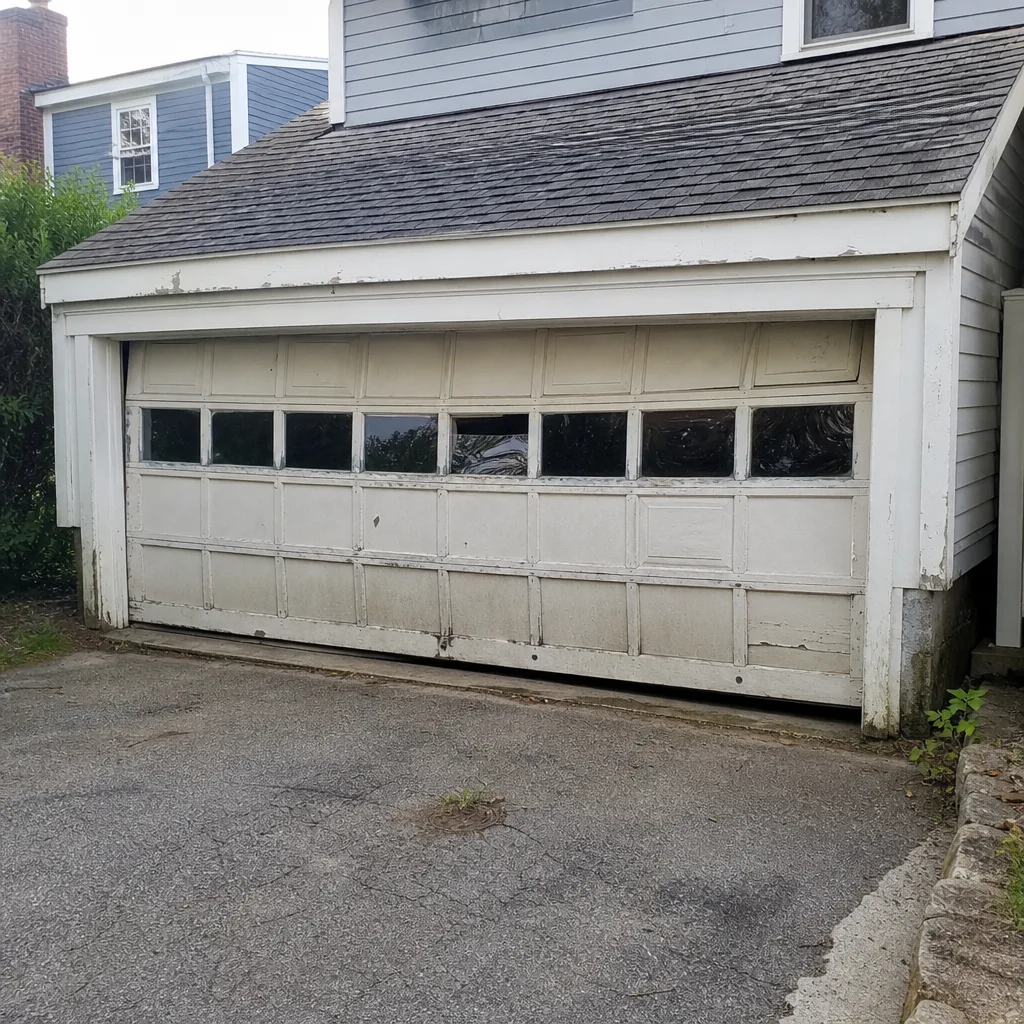 Before
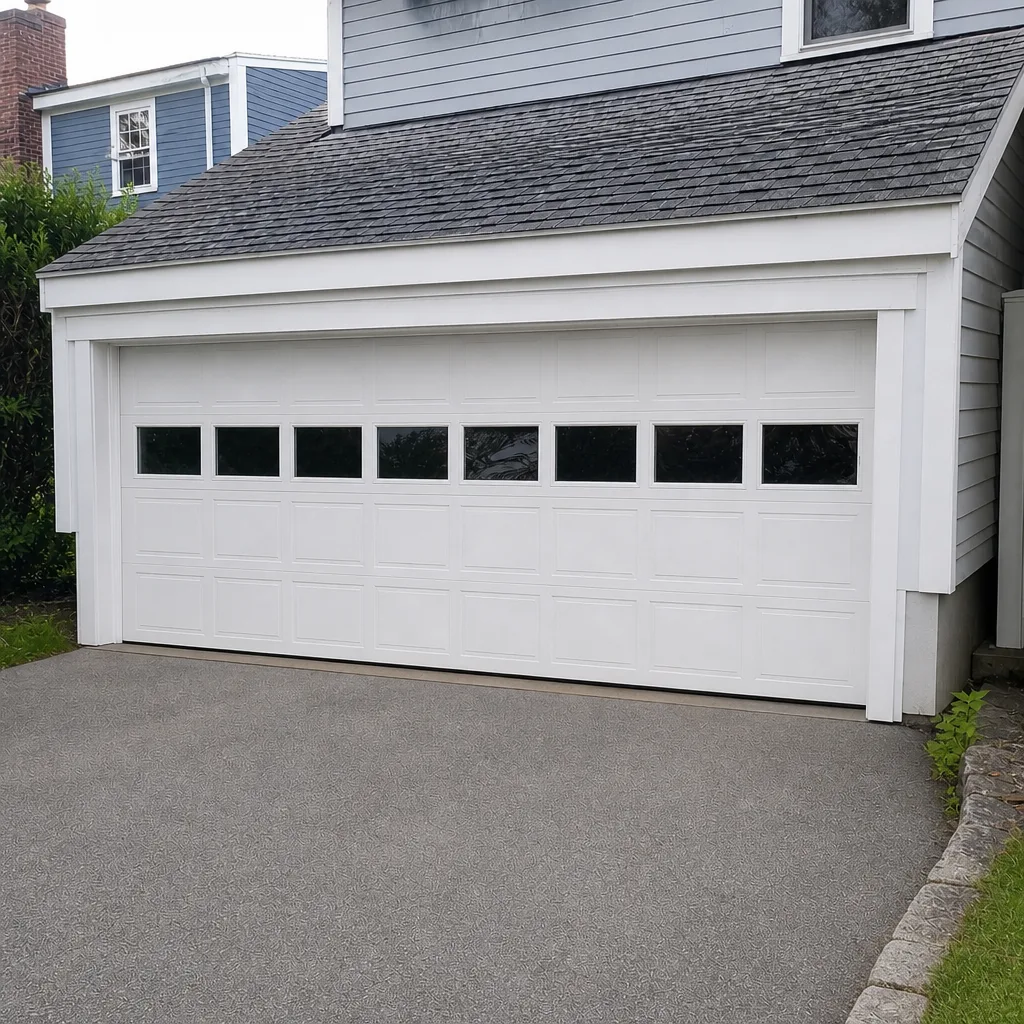 After
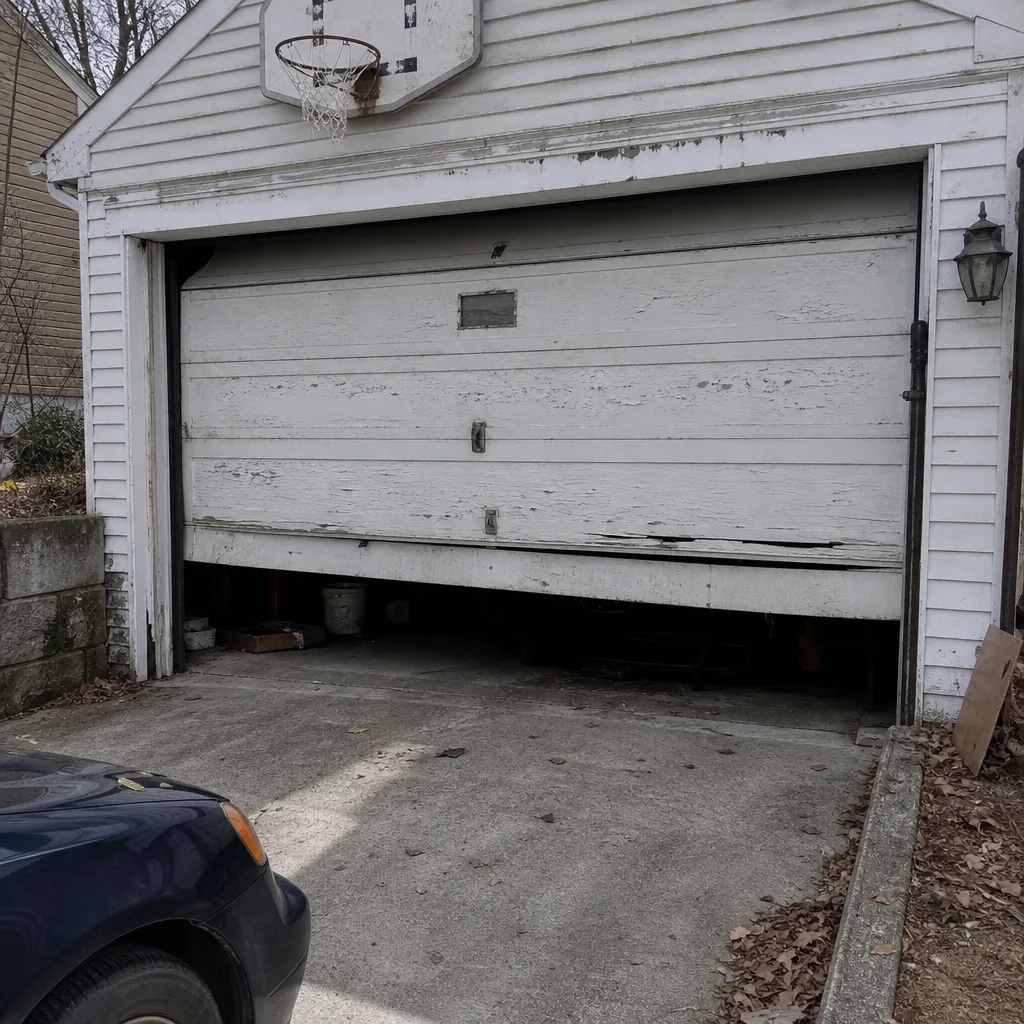 Before
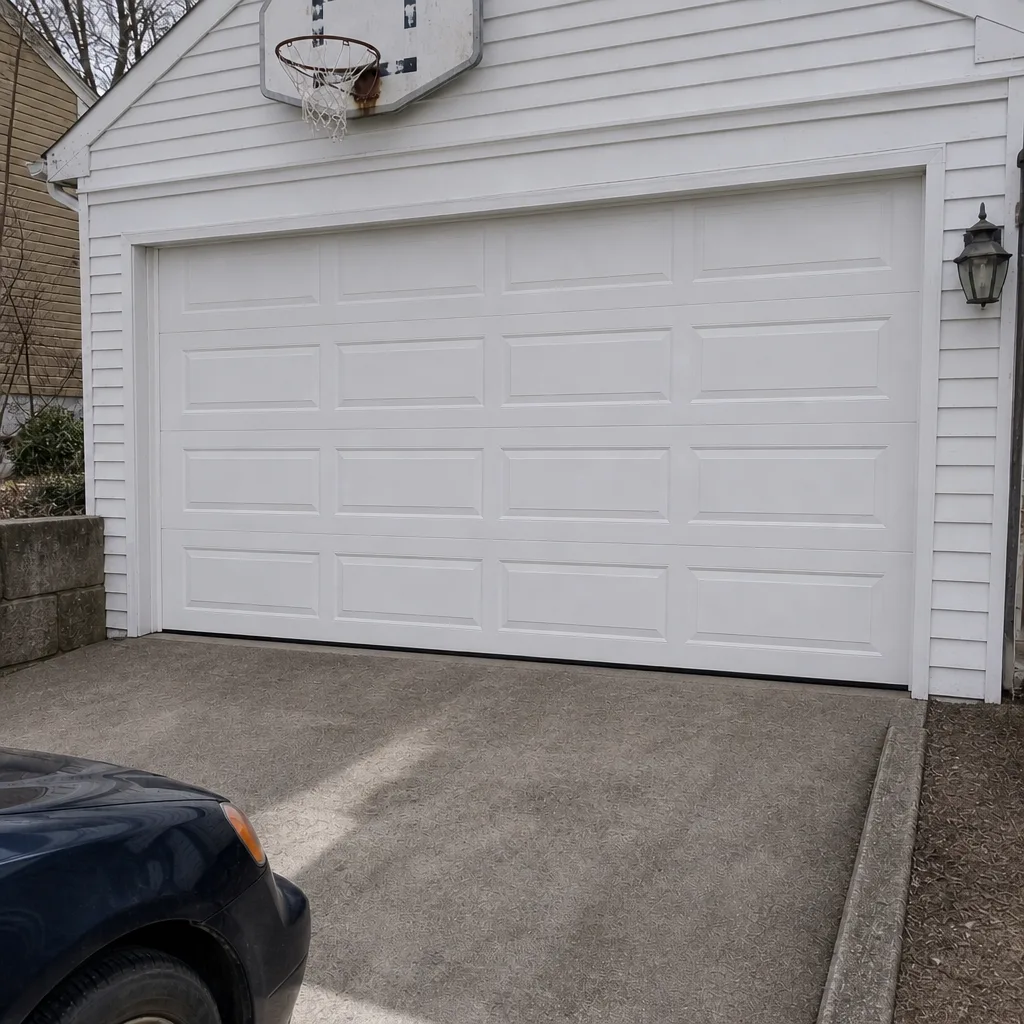 After
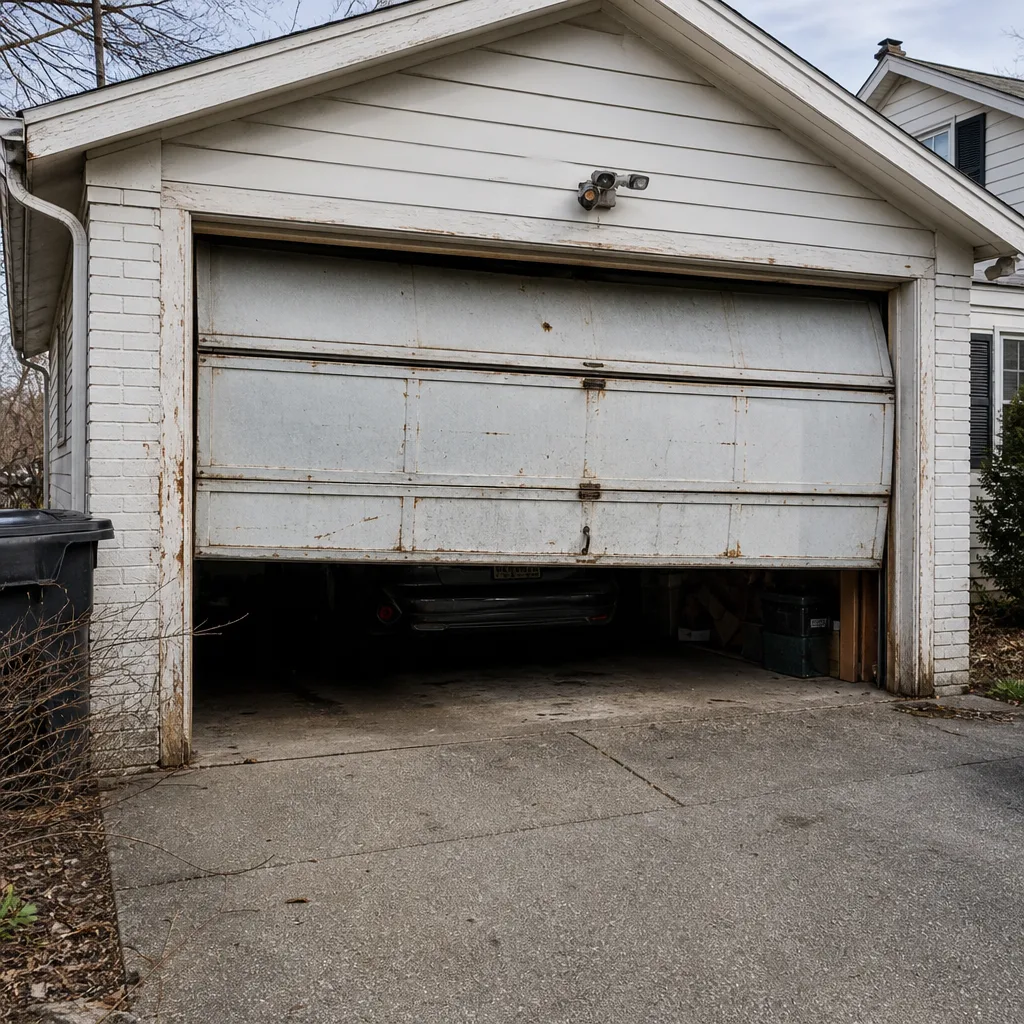 Before
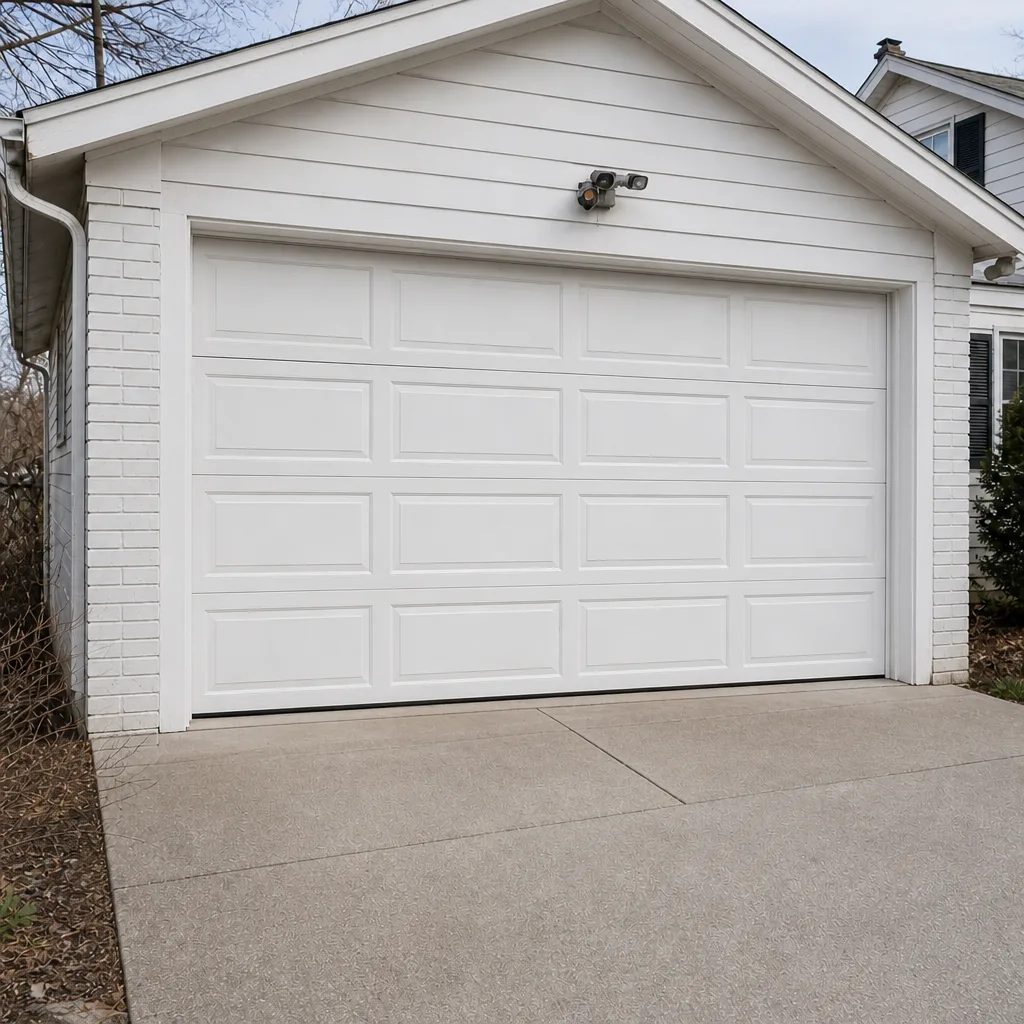 After
When to Call a Professional
Some of this checklist is designed for you. The monthly visual pass, rinsing the seal, lubrication, and the safety reverse test are all things you can do safely. But some signs mean stop and call a trained technician. If the balance test fails, if you see a gap in a torsion spring, if a cable shows bunched or kinked strands, if the door travels unevenly or drops on one side, if the opener reverses unpredictably or the safety reverse fails repeatedly, or if the door has come off its track at all, those are professional-service situations. Do not force the door manually or try to re-hang it yourself. Cambridge Garage Door Repair Co offers free estimates in Cambridge. Call (855) 870-5964. We answer 24/7, and our technicians have up to 13 years of experience with the whole system, from opener to spring to panel.
Frequently Asked Questions
You should lubricate the full garage door system at least twice a year, once in the fall before the freeze and once in early summer, with an extra light coat on roller stems before deep cold. Cambridge’s freeze-thaw cycles stress the moving parts harder than a milder climate, so consistency matters more than doing a big one-time job.
The bottom seal and the lowest rollers usually fail first, driven by road salt and brine that collect at the threshold through winter. Springs and cables are next in line, pushed by freeze-thaw stress. That’s why we put seals and rollers at the top of the checklist.
No. Spring tension should never be adjusted by a homeowner. Torsion springs and their cables store enough energy to cause serious injury or death if handled without proper tools and training. A safe seasonal check means a visual and balance test only; any adjustment is a job for a trained technician.
Fraying is cosmetic if it’s a light, even fuzziness that stays the same month to month. It’s load-bearing failure if you see bunched or clustered broken strands, a kink, a bird-cage, or a cable riding off its drum. When it’s load-bearing, stop using the door and get it inspected.
We’re certified to work on eight of the most common garage door brands: LiftMaster, Chamberlain, Genie, Clopay, Amarr, Wayne Dalton, Craftsman, and Raynor. If your door and opener are from one of those, our technicians arrive already familiar with your hardware and can diagnose based on what’s actually failing.
Garage door repairs are priced per job, and the written estimate you receive before any work starts is the final price, quoted and agreed up front. That estimate is free. Cambridge Garage Door Repair Co offers free estimates in Cambridge, so call (855) 870-5964 for an exact quote. The price won’t change once the technician sees the door, because the estimate is written before the work begins.
The Bottom Line
Garage door maintenance in Cambridge is less about a long to-do list and more about catching the right things in the right order. Clean the bottom seal and lowest rollers against winter brine. Check spring tension seasonally without touching the springs. Watch cable windings for load-bearing fraying. Lubricate according to your spring type. Test the safety reverse monthly. And run the 90-second visual pass so a small symptom never gets two winters to grow into a spring or cable failure. The whole routine costs you minutes and keeps the bigger, riskier repairs off your list. When something fails a check or stops feeling right, we’re one call away. Call (855) 870-5964 for a free estimate. We answer 24/7, with fast dispatch from 7am to 7pm, Sunday through Friday.
Written by the team at Cambridge Garage Door Repair Co.