
Last updated November 21, 2026
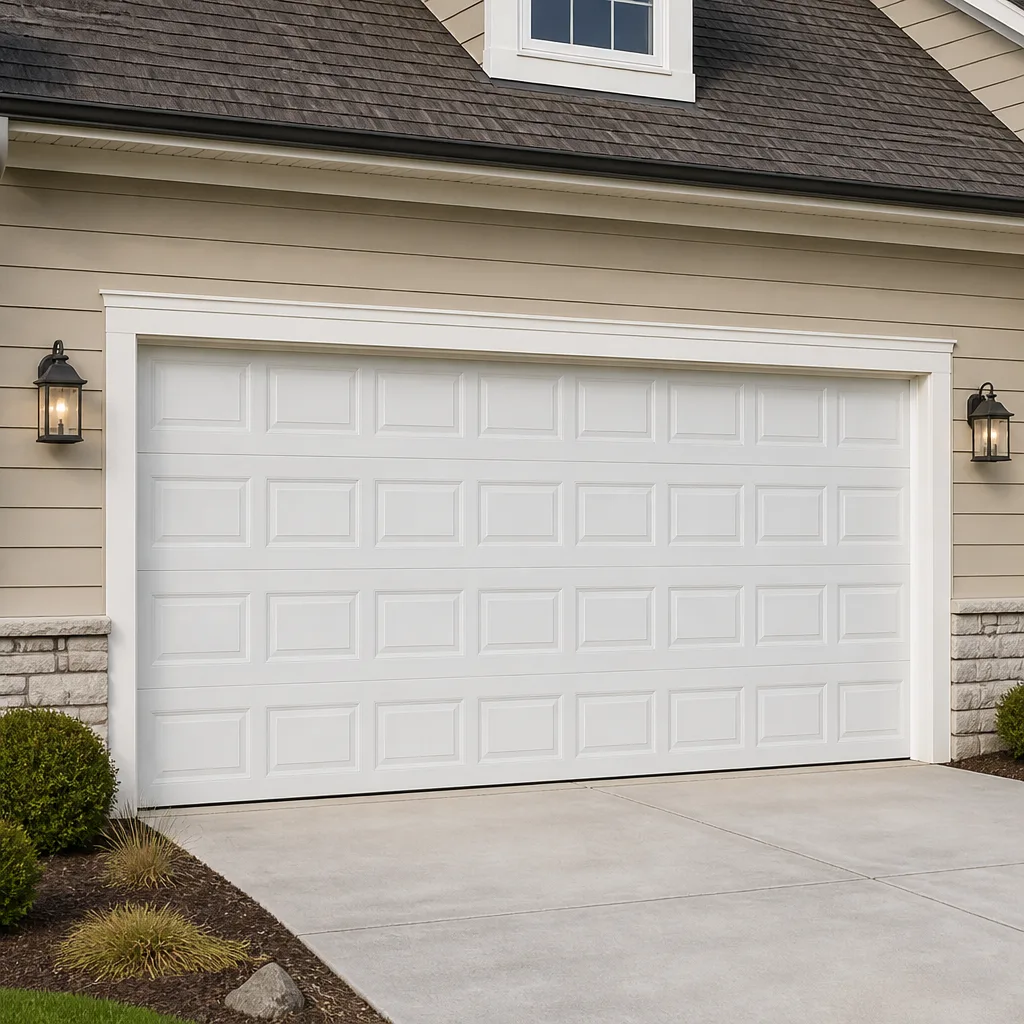 Raised-panel steel
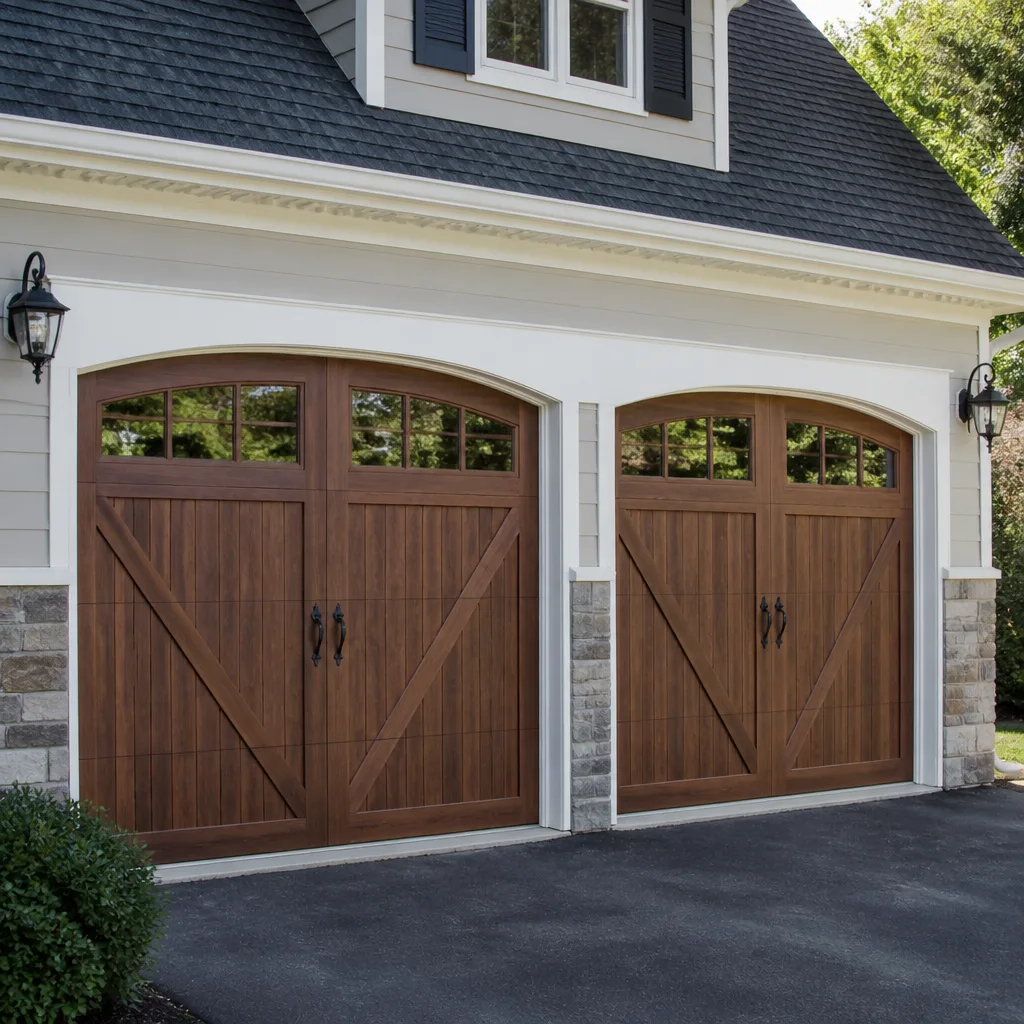 Carriage house
 Modern flush
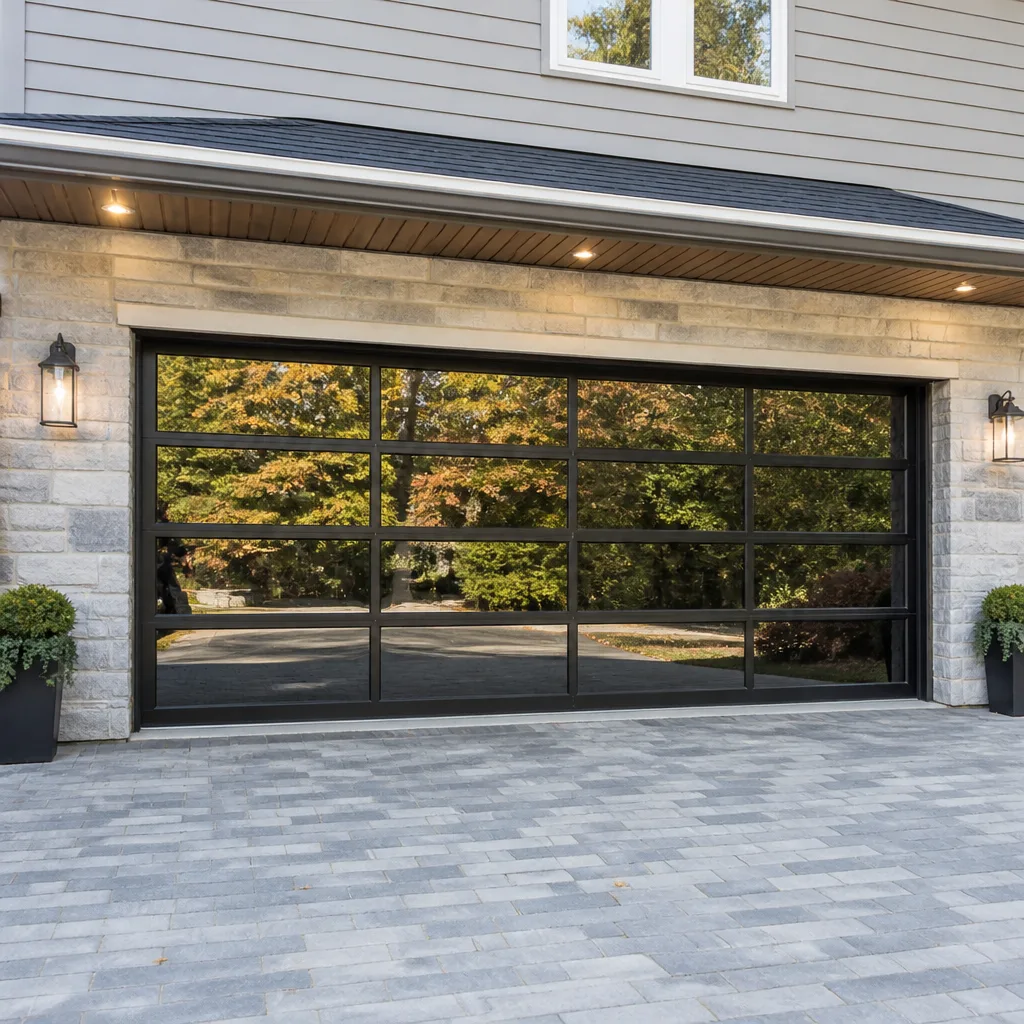 Full-view glass
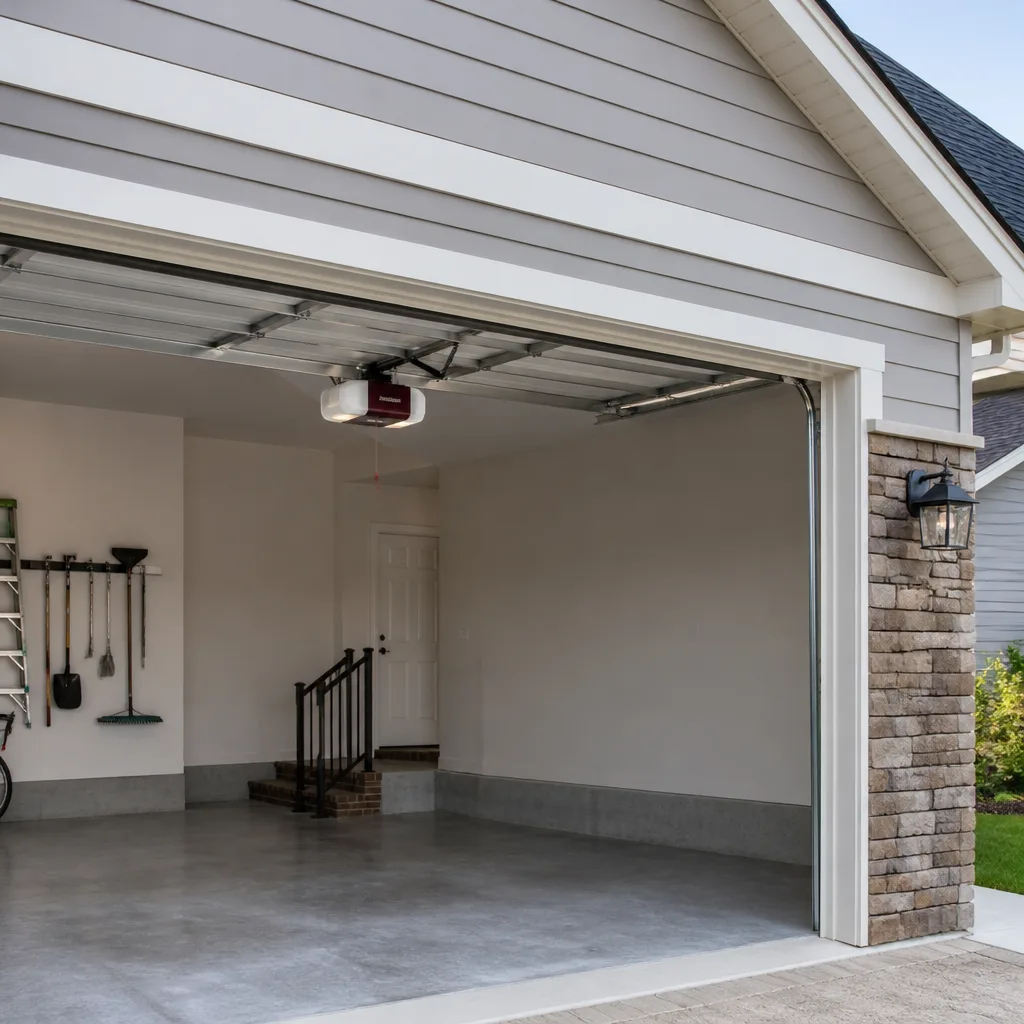 LiftMaster openers
 Chamberlain openers
Full 25-point door and opener safety check with every visit - springs, cables, rollers, tracks, and your LiftMaster or Chamberlain opener included
You get a price before we start. It does not change when the pro arrives.
Get your free estimateGarage Door Permits, Codes & Inspections in Cambridge, MA: What You Need to Know
Most Cambridge homeowners assume a garage door is too small a project to need a permit. Many also assume the opposite, that any door swap drags them into a months-long review. Both instincts are wrong, and the confusion is understandable. Massachusetts building code draws a line between a like-for-like replacement and an alteration, and that line runs through dimensions, wind ratings, and which overlay district your house sits in. Cambridge enforces it with its own Inspectional Services Department, and the city’s dense mix of historic districts and older housing stock makes the question sharper here than in most of the state. This guide draws that line clearly so you know what your project actually requires.
Quick Answer
In Cambridge, MA, replacing a garage door in the same opening, at the same size, with a door of equivalent or better rating generally does not require a building permit, while enlarging the opening, changing the door’s structural role, or altering a door in a historic district typically does. Structural changes and new openings always go through Cambridge’s Inspectional Services Department for a permit and inspection. When you’re unsure, a quick call to the city’s building department settles it before work starts.
Styles & brands we work with
- Raised-panel steel
- Carriage house
- Modern flush
- Full-view glass
- LiftMaster openers
- Chamberlain openers
Table of Contents
- Does garage door work need a permit in Cambridge?
- What “like-for-like” means under Massachusetts code
- Cambridge’s Inspectional Services Department process
- How historic district rules affect door replacement
- What inspections actually look like
- Unpermitted work and Cambridge home sales
- Opener electrical work and its own permit rules
- Who does what: homeowner, contractor, inspector
Does Garage Door Work Need a Permit in Cambridge?
Sometimes. A straightforward replacement of a garage door in an existing opening, keeping the same dimensions and not touching the structure around it, is normally treated as ordinary maintenance and does not require a building permit. The moment the work stops being a swap and becomes a change to the opening itself, the answer flips. Enlarging the opening, raising the header, converting a manual door to an automatic one in a wall that wasn’t built for it, or adding a door where none existed are all structural in nature and do require a permit.
The practical test most homeowners can run themselves is simple: is the frame being changed, or just the door inside it?
- No permit typically required: like-for-like replacement of a door or its panels, spring and cable replacement, opener repair or replacement where existing wiring and the mounting point stay the same.
- Permit typically required: widening, narrowing, or raising the opening; adding or removing a door; changes that affect the structural framing, header, or foundation; and any alteration in a historic district that touches the visible facade.
This is not legal advice, and Cambridge has the final word. Government requirements change, and the city’s interpretation of what counts as structural is what matters. The safe habit is to call the Inspectional Services Department with the project in hand before anyone touches the door.
What “Like-for-Like” Means Under Massachusetts Code
Like-for-like is the phrase that does the most work here, and it’s the one most people get wrong. It does not mean “looks roughly the same.” It means the replacement matches the original in ways the code cares about. A new door of the same width and height, fitted in the same opening, with the same operation type (sectional, roll-up, or tilt), and rated at least as well for wind resistance, is the textbook like-for-like. Change any of those and the project may need to be reviewed as an alteration.
The dimensions and ratings that push a project out of that category are worth knowing in advance:
- Width and height. A door that does not fill the existing opening to the same tolerances forces framing work, which means a permit.
- Wind and impact rating. Massachusetts building code applies design pressure requirements to garage doors. Replacing a low-rated door with one built to a higher opening pressure is usually fine; the reverse, downgrading, is where questions arise. The new door’s rating must be documented so it can be checked against the opening’s requirements.
- Insulation and thermal performance. Insulated doors are common on Cambridge homes that were converted or updated over the years. Insulation level itself generally doesn’t trigger a permit, but it’s one of the details the drawing set should show.
- Operation type. Swapping a manual door for an electric opener, or a tilt door for a sectional, is a change to how the door works and how it’s mounted, and often involves electrical work.
When we quote a replacement in Cambridge, we don’t decide the permit question for you. What we can do is measure the existing opening precisely enough that the new door is documented as a true like-for-like, and flag the moment a project edges out of that category. That’s a design decision as much as a legal one.
Cambridge’s Inspectional Services Department Process
Garage door work that needs a permit goes through Cambridge’s Inspectional Services Department, which issues building permits for residential work and schedules the inspections that follow. The process is not complicated, but it is specific, and it rewards getting the paperwork right the first time. Here’s the general sequence a permit-required garage door project follows:
- Confirm the requirement. Call Inspectional Services with your address, the door’s existing dimensions, and what you intend to change.
- Have the project drawn. A permit application for structural or facade work needs drawings or plans showing the opening, the framing changes, and the door specification, including dimensions and rating.
- Submit the permit application. The application identifies the property, the scope of work, and the contractor.
- Post and start. Once the permit is issued, work can begin, with the permit posted as required.
- Schedule inspections. Framing and final inspections confirm the work matches what was approved.
- Keep the sign-off. Save the final inspection record with your home documents.
Two things catch people out. The first is time. A permit adds weeks to a project, which matters when a door has failed and security is a worry. The second is the boundary between what the contractor handles and what the homeowner handles. Good local practice is to agree up front who pulls the permit and who pays the fee, because Cambridge expects the application to match reality and an incorrect one means rework.
This is exactly the point where a lot of Cambridge projects stall, and where a bad assumption shows up later. Measure first, ask second, order third.
How Historic District Rules Affect Door Replacement
Cambridge has several historic districts, and within them a garage door replacement can require review even when nothing structural changes. That trips up people who read the permit rules correctly and stop there. The building permit and the historic review are separate questions. A like-for-like replacement that would sail through under the building code can still need approval because of where it sits.
Historic overlay covers two garage-door scenarios in particular:
- Visible doors on contributing structures. A door on a building’s visible facade in a historic district is typically reviewed for its appearance as well as its function, and the door’s design, material, and panel configuration matter.
- Doors matched as a set. Garages consisting of several doors often need to stay visually consistent, which can block replacing one door with a different style.
The practical guidance is to check your property’s status before you buy a door. The city can tell you whether your address falls within a historic district and whether your garage’s door is reviewed as part of the building’s character. If it is, plan the review into the schedule. Getting the right door is a design task. Getting an approval for that door is a paperwork task. Do them in that order and the project runs smoothly.
We work across Clopay, Amarr, and Wayne Dalton doors, which is useful in historic settings because the same manufacturer usually offers several profiles and finishes. That flexibility helps when an approval requires matching an existing style. Which door we recommend still depends on what’s failing, what the opening allows, and what gets approved, never on which brand we happen to prefer.
What Garage Door Inspections Actually Look Like
A garage door inspection for a permitted project isn’t the same as a repair visit. The inspector is checking that the finished work matches the approved plans. For a structural change that means confirming the opening is the size on the drawing, the framing is sound, and the door installed is the door that was specified. For a replacement that crosses into alteration, it may also mean checking the door’s rating documentation.
The safety-critical part is the door mechanism itself. When work involves spring systems, cable tension, or the balancing of a door, that’s high-tension mechanical work. Compressed torsion springs store substantial energy, and improper handling can cause serious injury. We don’t hand out step-by-step instructions for that work, and no responsible guide should. The right approach is a trained technician who understands how the door balances before they take anything apart. On a permitted project the inspector confirms the finished system is sound, but the safety of getting there rests with the installer.
Here’s what to have ready before an inspection:
- The approved permit and plans on site.
- The door’s specification sheet showing dimensions and rating.
- A clear opening around the door and the mechanism.
- The contact number for the contractor or installer in case the inspector has questions.
Inspections move quickly when the paperwork is right. Most of the problems we hear about come from a mismatch between what was approved and what got installed, not from the installation itself.
Unpermitted Work and Cambridge Home Sales
Unpermitted garage door work doesn’t just sit there. In Cambridge’s active real estate market, it tends to surface at the worst possible moment, during buyer inspections or a refinance. A buyer’s inspector who notices an opening that doesn’t match the structure around it, a door that obviously isn’t the original spec, or a variation that was never signed off can raise a question that stalls a closing. A lender ordering a refinance appraisal can do the same.
The reason this matters more in Cambridge than in a sprawling suburb is old housing stock and dense lots. Garages here are often the result of a later conversion, and over decades they collect changes: a wider door here, a new opener there, a spring replacement nobody recorded. It’s easy to inherit someone else’s unpermitted work without knowing it. When we look at a garage door job, we’re also looking at the opening and the surrounding structure, because that’s where a history of unofficial changes tends to show.
If you’re buying in Cambridge, have the garage included in the inspection and ask for documentation of any structural work. If you’re selling and you know of past changes to the opening, dig up the permits now. It’s a much easier conversation before an offer is on the table than after.
Opener Electrical Work and Its Own Permit Rules
Garage door openers are electrical. Most residential openers run on standard household current from a ceiling-mounted outlet, and a replacement that reuses that outlet and mounting point is usually not a permit item. But running a new circuit, adding an outlet where there wasn’t one, or doing anything that changes the home’s electrical system is a different category, and that is governed by electrical rules and handled by a licensed electrician where required.
In practice this rarely affects a simple opener swap. It does affect conversions, like adding an automatic opener to a manual door where the garage had no electrical service, or moving the mounting point. If your Cambridge garage is older and the wiring is questionable, the electrician’s inspection is worth having before the opener goes in. Smart openers from LiftMaster and Chamberlain are common in updated Cambridge homes, and they don’t change the electrical rules, just the outlet and wireless requirements.
Our own scope is opener repair and installation across the leading opener brands. When the job requires new electrical work, we can point you toward the right professional for that piece, because a garage door company and an electrician cover different parts of the same job.
Who Does What: Homeowner, Contractor, Inspector
One of the reasons garage door permits confuse people is that three parties share the work, and their roles get blurred. Here’s the straightforward split for a Cambridge project.
- The homeowner: confirms the property’s status, including historic district and any past permits, and is responsible for making sure approvals exist before work starts. Pays the permit fee if that’s the arrangement you agree.
- The contractor: provides the measurements, specifications, and drawings the application needs, and installs the door to match the approved plans.
- The inspector: confirms the finished work matches the permit and signs off.
What we bring to a Cambridge project is the measurement and specification side. We work across LiftMaster, Chamberlain, Genie, Clopay, Amarr, Wayne Dalton, Craftsman, and Raynor, which means we can document a like-for-like replacement accurately and tell you when a project isn’t like-for-like. What we don’t do is give permits away or promise the city’s decision. The building department decides. We make sure the facts on the application are right.
If you want a measured quote and a clear read on whether your project is a like-for-like or an alteration, call us on (855) 870-5964. Estimates are free, and a written quote sets the final price before any work starts. Our technicians have up to 13 years of experience, and when a door fails for a security or safety reason, we can get someone out fast.
Common Mistakes to Avoid
- Assuming a replacement never needs a permit. Like-for-like usually doesn’t, but the moment the opening, framing, or facade changes, you’re in permit territory. Ask before you buy the door.
- Assuming every project needs one. The opposite error adds weeks and cost to work that’s genuinely maintenance. A quick call to Inspectional Services settles it.
- Skipping the historic district check. A building permit doesn’t cover historic review, and a like-for-like door swap in a Cambridge historic district can still need approval on appearance grounds.
- Dowsing or downgrading the rating without documenting it. A replacement door should be rated at least as well as the original, and the drawings should show it, or the inspector can’t confirm it.
- Ordering before the plan is approved. Buy the door after the approval, not before. Getting a specific style too early locks you into a decision the city might reverse.
- Losing the paperwork. Keep permits and inspection sign-offs with your home documents. They matter when you sell or refinance in Cambridge.
- Letting a failed door wait on paperwork. When a door is stuck open and the house is exposed, secure it first and sort the admin after. Safety and security come before the form.
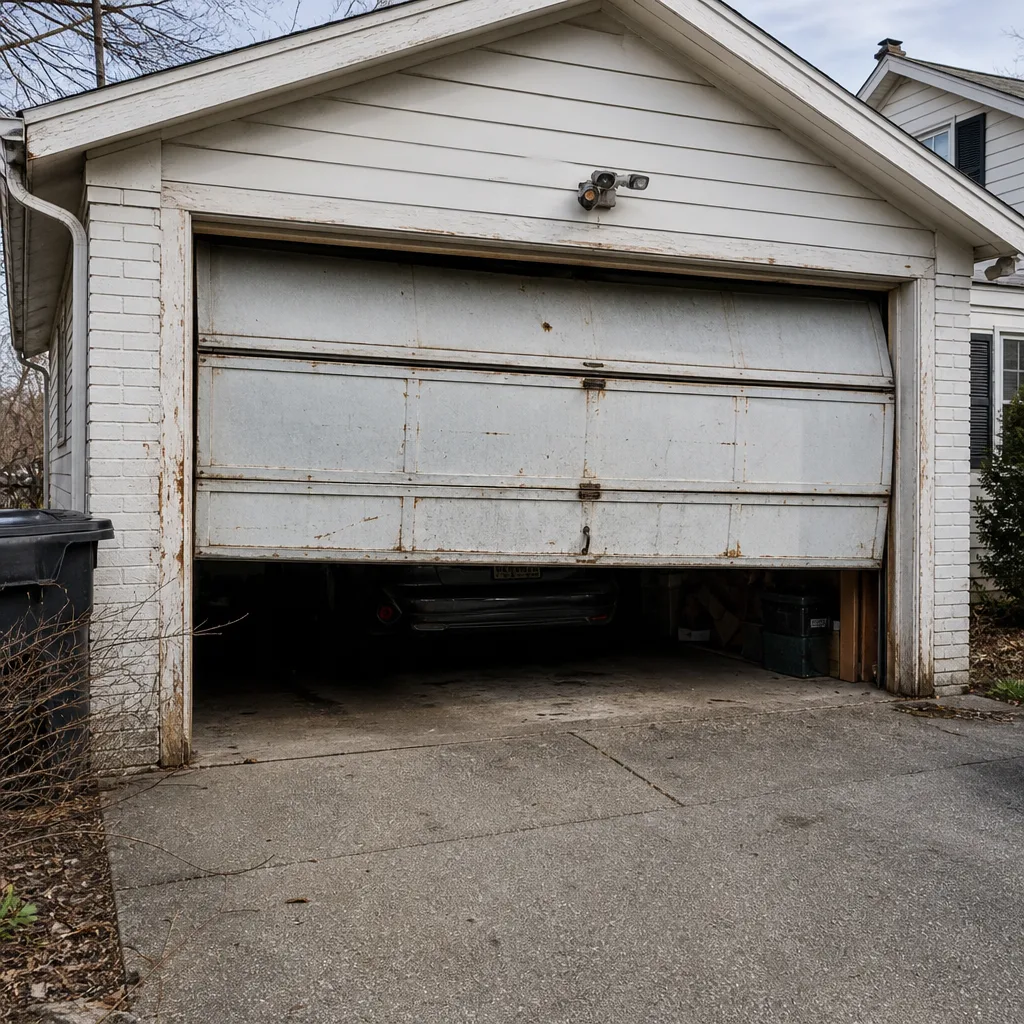
See the difference
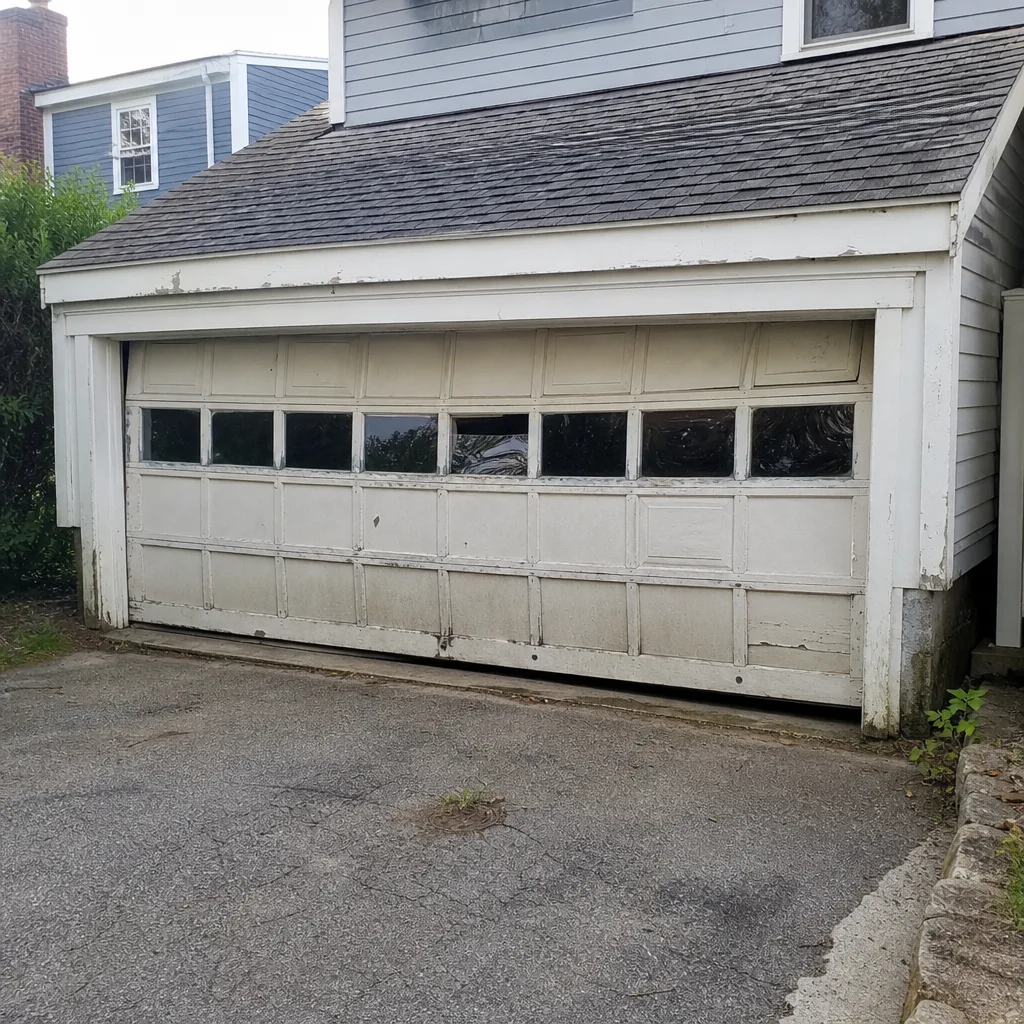 Before
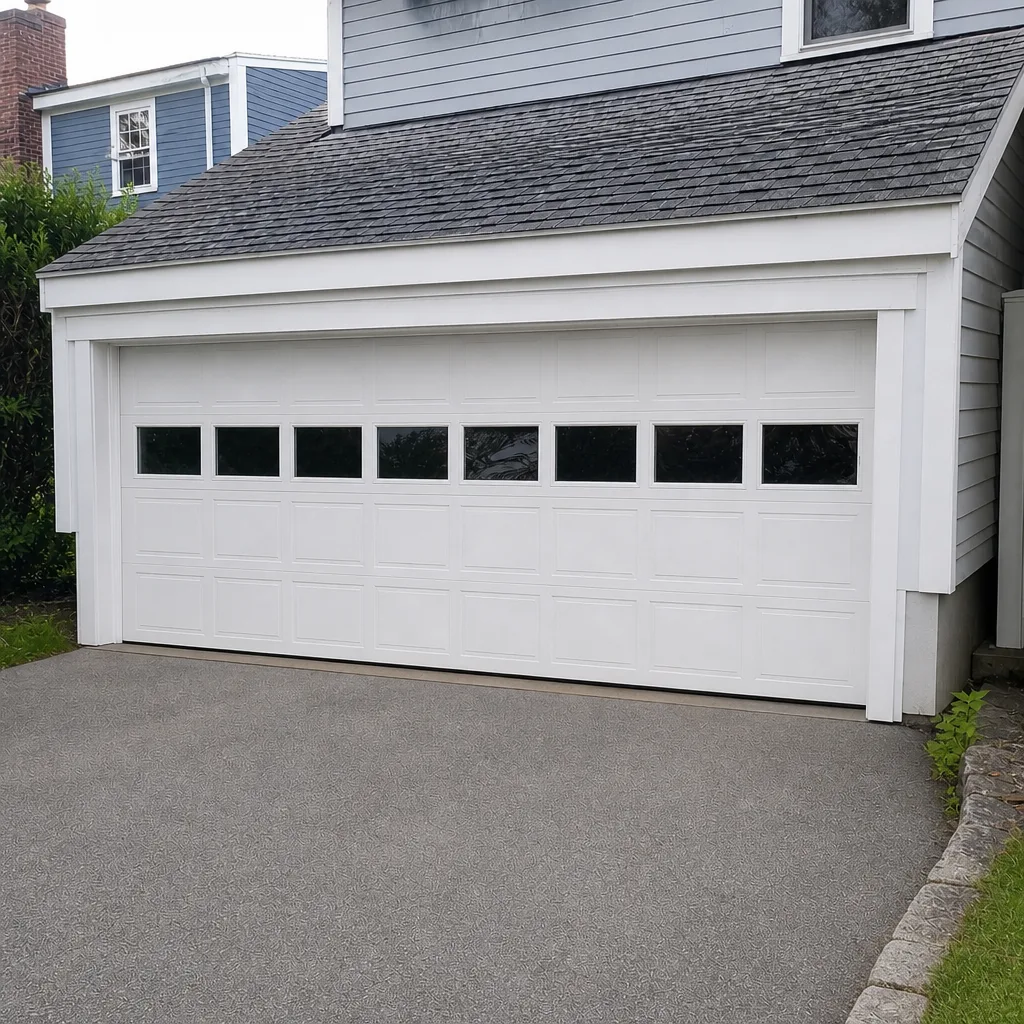 After
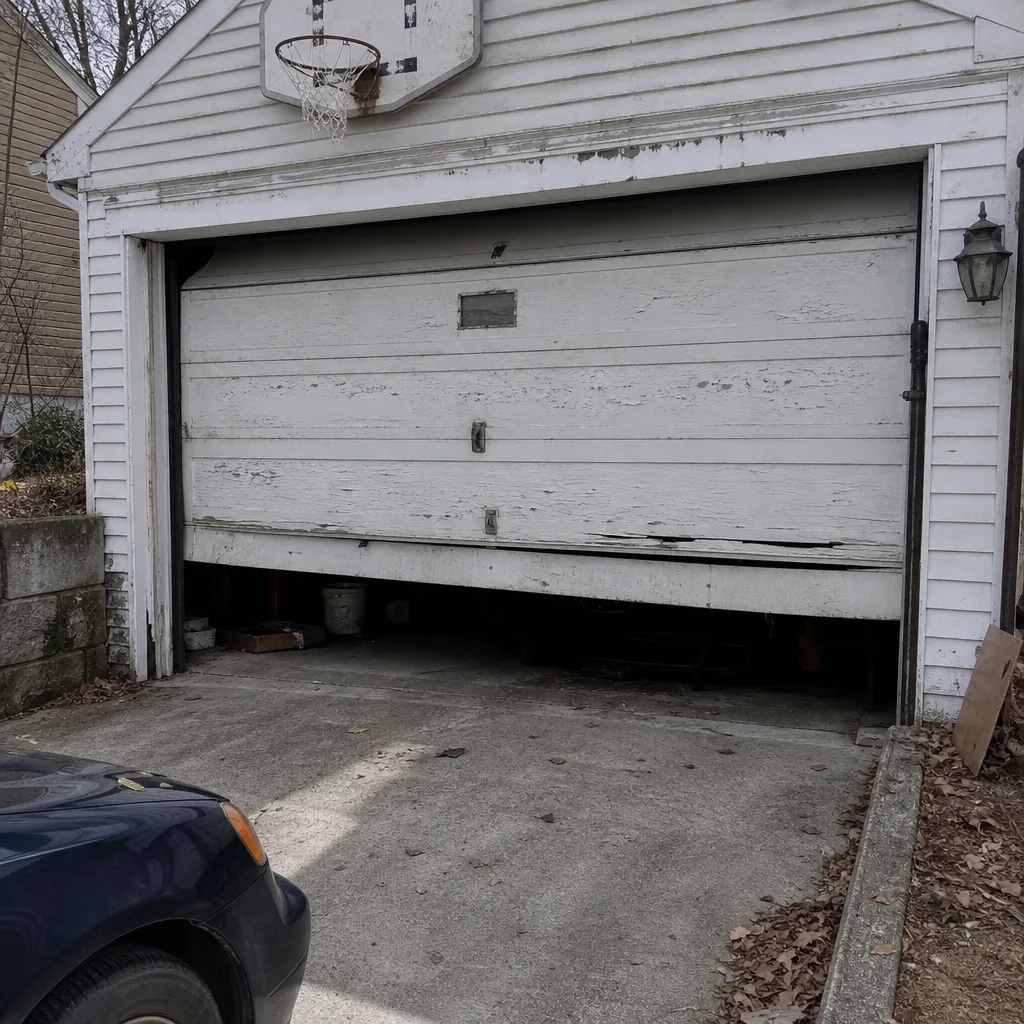 Before
 After
 Before
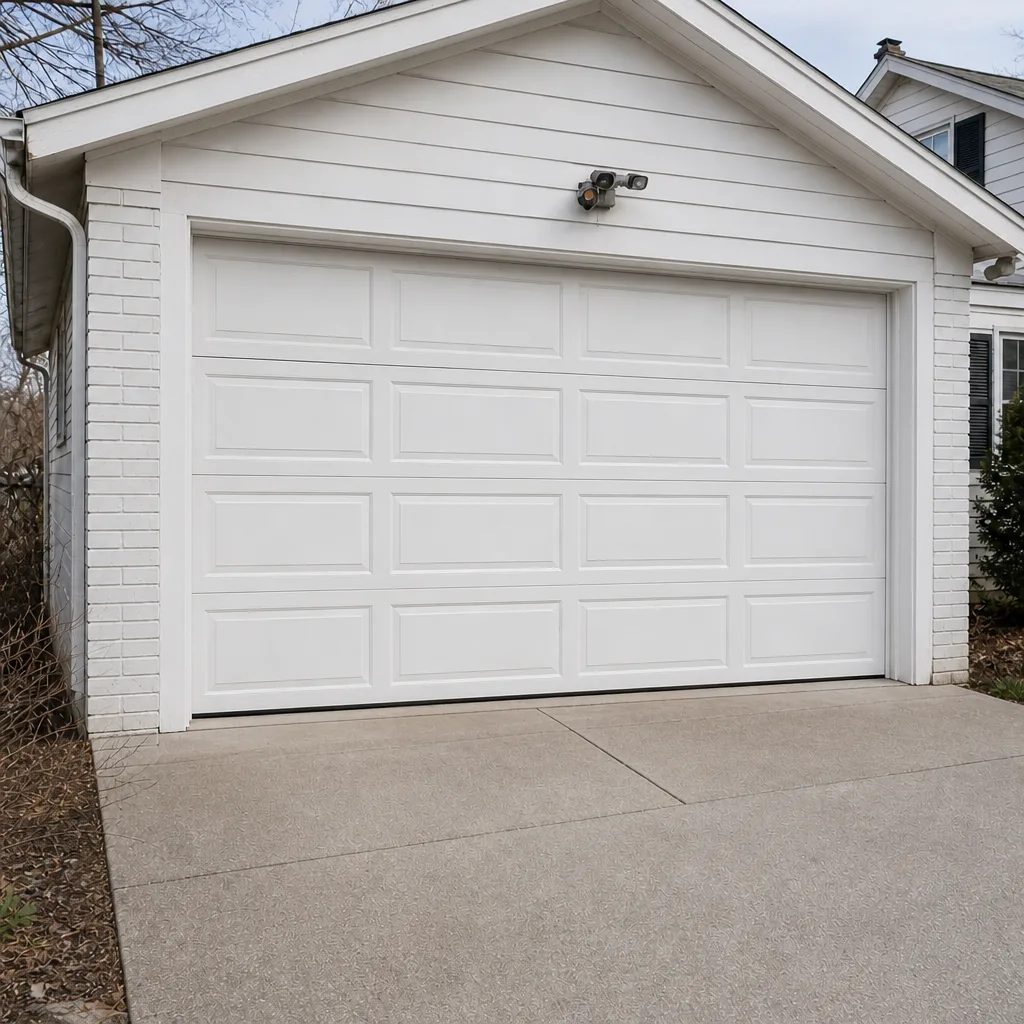 After
When to Call a Professional
Some garage door work is a DIY weekend. Some isn’t. Spring replacement, cable tension work, and any repair where the door is under load should be handled by a trained technician, because the mechanism stores energy that can injure you. Structural framing changes always need a professional, and a licensed and insured local pro is the standard for work that affects the structure of your home. Emergency situations, a door stuck open, a door jammed shut with a car inside, or a noise that suggests a spring failure, are all good reasons to call.
Cambridge Garage Door Repair Co offers free estimates in Cambridge – call (855) 870-5964. We answer 24/7. Fast dispatch from 7am to 7pm, Sunday through Friday. We’ll tell you what your project actually needs, whether that’s a repair, a like-for-like replacement, or a permit-worthy change worth doing right.
Frequently Asked Questions
A like-for-like replacement of a garage door in the same opening at the same size typically does not need a Cambridge building permit, while structural changes to the opening or facade alterations in a historic district do. Cambridge’s Inspectional Services Department makes the final call, so confirm with them before ordering. Call (855) 870-5964 for a free measured quote – estimates are free.
Structural work is anything that changes the opening itself, including widening, narrowing, or raising the header, adding or removing a door, or altering the framing that supports the door. A swap inside an unchanged opening is not structural. If you’re planning a change, call (855) 870-5964 and we’ll flag whether it’s likely to need a permit.
It can if the work was never permitted, because buyer inspections and refinance appraisals can surface unapproved structural changes and stall a closing. Buyers in Cambridge should have the garage included in the inspection and ask for permit documentation. If you’re selling and know of past changes, pull the paperwork early – call (855) 870-5964 if you’re unsure what to look for.
Usually not, when you reuse the existing outlet and mounting point. New electrical circuits or a new outlet where there wasn’t one fall under electrical rules and need a licensed electrician. Call (855) 870-5964 for a free estimate on opener repair or replacement.
Timelines vary with the scope of work and how complete your drawings are, so the city is the only reliable source. What we control is the quality of the measurements and specifications on the application, which is most of what causes rework. If the door has failed and security is a concern, call (855) 870-5964 and we’ll make the door safe while the paperwork proceeds.
We work on LiftMaster, Chamberlain, Genie, Clopay, Amarr, Wayne Dalton, Craftsman, and Raynor, so technicians arrive familiar with the hardware already on your home and diagnose from what’s failing rather than which parts are easiest to sell. That matters for documented like-for-like replacements. Call (855) 870-5964 for a free estimate.
The Bottom Line
The garage door permit question in Cambridge comes down to one line: is the opening changing, or is it just the door? A like-for-like swap usually needs no permit; a structural or facade change does, and it goes through Inspectional Services. Check your historic district status before you choose a door, document the door’s dimensions and rating so it can be verified as like-for-like, and keep the sign-off with your home records. If the work involves springs, cables, or structural framing, call a trained professional. Our technicians have up to 13 years of experience, and a written quote sets the final price before work starts. Call (855) 870-5964. We answer 24/7. Fast dispatch from 7am to 7pm, Sunday through Friday.
Written by the team at Cambridge Garage Door Repair Co.